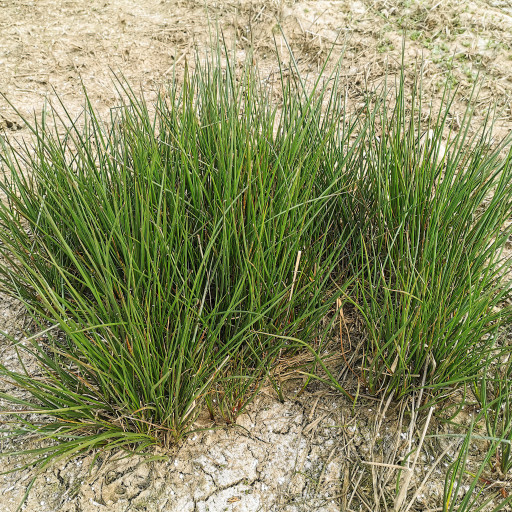
Plant Overview
Commonly known as the Soft Rush or Bog Rush, Juncus effusus is the humble architect of the wetlands. For centuries, its spongy pith was harvested and dipped in animal fat to create "rushlights," the prehistoric predecessor to the wax candle. Its graceful, fountain-like clumps bring a wild, architectural texture to any damp corner of a landscape or pond edge.
🔍 How to Identify
- 🟢 The Stems: Smooth, cylindrical, and vibrant green. Unlike many grasses, the stems are unjointed and filled with a white, styrofoam-like pith.
- 🌸 Side-Flowering: The brownish, star-shaped flower clusters appear to burst out of the side of the stem near the top, rather than at the very tip.
- 🌾 Growth Habit: It grows in dense, upright tufts or "hummocks," creating a spray-like silhouette that remains green well into the colder months.
🏡 In Your Garden
- 💧 The "Wet Feet" Rule: This plant is a true hydrophyte, meaning it thrives in saturated soils. It is the perfect solution for "problem areas" in your yard where water pools after rain or for stabilizing the soil around a backyard pond.
- 🌱 Containment Strategy: While beautiful, it spreads via underground rhizomes and prolific seeding. If you have a small garden, consider planting it in a submerged container to prevent it from wandering into areas where you don't want a marshy meadow.
⚠️ Safety & Toxicity
- ✅ Safe Status: Juncus effusus is generally considered non-toxic to humans, dogs, cats, and horses.
- 🌾 Tactile Note: While not sharp like some sedges, the dried stems can become stiff and pokey. It is a popular choice for "sensory gardens" because of its unique, smooth texture when green.
✨ Fun Fact
Botanists have a famous rhyme to help you identify this plant: "Rushes are round, sedges have edges, and grasses have joints all the way to the ground." If you roll a Juncus stem between your fingers, it will feel perfectly smooth and circular!

Detailed Care Instructions
| Soil Ph | Neutral Or An Acidic |
| Humidity | Normal |
| Invasive | Weed |
| Lighting | Part Sun |
| Soil Type | Boggy Soil |
| Difficulty | Medium |
| Plant Type | Perennial |
| Temperature | 18°C - 25°C |
| Sun Exposure | Full Sun |
| Hardiness Zones | 4-9 |
To grow Juncus Effusus, also known as Soft Rush or Common Rush, you can follow these steps:
- Choose a suitable location: Juncus Effusus prefers full sun to partial shade, although it can tolerate shade. The plant also grows well in wet or boggy areas.
- Prepare the planting area: If you are planting in the ground, prepare the planting area by removing any weeds or grass. Loosen the soil and improve drainage if necessary.
- Planting method:
- In the ground: Dig a hole that is twice the size of the root ball. Place the plant in the hole and backfill with soil, making sure the crown of the plant remains at the soil level.
- In containers: Select a container that is at least 12 inches deep and wide. Fill it with a good quality potting mix, leaving enough space for the plant and water retention.
- In the ground: Dig a hole that is twice the size of the root ball. Place the plant in the hole and backfill with soil, making sure the crown of the plant remains at the soil level.
- Watering: Juncus Effusus requires consistent moisture. Water the plant deeply and regularly, especially during dry periods. If planting in containers, make sure to keep the soil consistently moist but not waterlogged.
- Fertilization: Juncus Effusus generally does not require regular feeding. However, if the plant shows signs of nutrient deficiency, you can apply a balanced, slow-release fertilizer once or twice a year during the growing season.
- Maintenance: Keep the area around the plant free from weeds. Cut back any dead or damaged foliage in early spring. Dividing the plant every few years in early spring can help rejuvenate it.
- Protection: If you experience harsh winters, protect the plant with a layer of mulch around the base to insulate it from freezing temperatures.
Juncus Effusus is a relatively low-maintenance plant that spreads by rhizomes and can form dense clumps. With proper care, it should thrive and grow well in your garden or container.

Place in a window with dappled sun or a spot in the middle of a room. Or directly in a window facing west or east.

To properly water this plant, you need to make sure that it is receiving the proper amount of water. The best way to do this is to check the soil regularly to see if it is damp. If the top layer of soil feels dry to the touch, you can water the plant, making sure to not overwater it. It is important to avoid letting the soil dry out completely or sitting in standing water, as this can harm the plant's roots. Make sure that the water is reaching the roots, by watering slowly and deeply until all the soil is evenly moistened. You can also consider misting or spraying the leaves of the plant, especially during the warmer months, to help the plant absorb moisture and prevent it from drying out. Keep in mind that the water needs of this plant may vary depending on the environment and conditions it's in, so it is important to observe and adjust accordingly.
To fertilize Juncus effusus, begin by selecting a balanced, slow-release fertilizer. The fertilizing process should be done during the plant's growing season, which is typically in the spring or early summer. First, remove any debris or weeds from the plant's surrounding area. Then, apply the fertilizer according to the package instructions, carefully avoiding contact with the plant's stems or leaves. It's important not to over-fertilize, as this can damage the plant. Finally, water the plant thoroughly to help the fertilizer soak into the soil.
The best soil for the plant in question is a well-draining soil mixture that is rich in organic matter. It should be a slightly acidic soil with a pH range of 5.5 to 6.5. The soil should be moist but not waterlogged, as the plant prefers damp conditions but can suffer from root rot if the soil is too wet. The plant can grow in a wide range of soil textures, including clay, loam, and sandy soils. However, the soil should be free from contaminants and pollutants that may harm the plant. Additionally, the soil should be rich in nutrients, particularly nitrogen, phosphorus, and potassium, as these are essential for healthy growth and development. Regular fertilization may be necessary to ensure the plant's nutrient needs are met.
Juncus effusus is a plant that can be propagated through division. To propagate this plant, carefully dig up the existing plant, taking care not to damage the roots. Divide the plant into several smaller sections, ensuring that each section has a healthy root system. Plant the new sections in soil that is rich in organic matter and well-draining. Keep the soil moist but not waterlogged, and place the new plants in a location that receives plenty of sunlight. Water the plants regularly and fertilize them with a slow-release fertilizer to encourage healthy growth. With proper care, the new plants will establish themselves and grow into healthy, mature plants over time.
Common pests of the common rush include Scale insect, mealybugs, aphids. Make a habit of checking your common rush frequently for pests so that any infestations can be caught and managed early.








