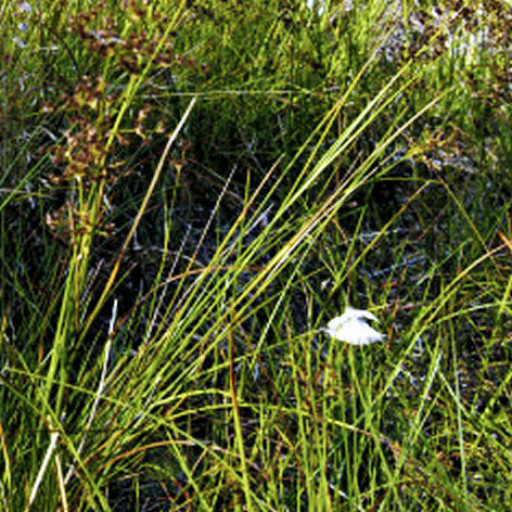
Plant Overview
Often found standing tall in marshes and damp meadows, the Juncus genus—collectively known as Rushes—serves as the architectural backbone of the water garden. Known for their striking vertical lines and "tangled" varieties like the Corkscrew Rush, these plants have been used for centuries for everything from weaving floor mats to providing light. They are the ultimate solution for those "trouble spots" in the yard where the soil stays perpetually soggy.
🔍 How to Identify
- 🟢 The "Round" Stem: Unlike grasses or sedges, rushes have perfectly cylindrical, smooth stems. If you roll one between your fingers, it feels like a smooth straw rather than a flat blade.
- 🟤 Side-Bursting Blooms: Their flowers don't usually sit at the very tip; instead, clusters of tiny, star-shaped brown or green blossoms appear to burst out from the side of the stem.
- 🎋 Clumping Habit: Most species grow in dense, upright tufts called "tussocks," creating a fountain-like appearance that stays green even in harsh conditions.
🏡 In Your Garden
- 💧 The Wetland Specialist: These plants are "hydrophilic," meaning they crave water. They are perfect for rain gardens, pond edges, or heavy clay areas where most other plants would suffer from "wet feet" and root rot.
- 🐸 A Living Ecosystem: By planting Juncus, you are building a home. Their dense stems provide essential cover for frogs, dragonflies, and beneficial insects, while the seeds offer a snack for songbirds in the fall.
⚠️ Safety & Toxicity
- ✅ Generally Non-Toxic: Juncus species are widely considered safe and non-poisonous to humans, cats, dogs, and horses.
- 🌾 Fibrous Texture: While not chemically toxic, the stems are very tough and fibrous. If a curious pet decides to snack on them, the coarse material might cause minor mechanical irritation to the mouth or a mild upset stomach.
✨ Fun Fact
Botanists use a famous nursery rhyme to tell similar plants apart: "Rushes are round, sedges have edges, and grasses have knees where the leaves are found!" This refers to the round stems of the rush, the triangular stems of the sedge, and the jointed "nodes" on a blade of grass.

Detailed Care Instructions
To grow a Juncus plant (also known as rush), follow these steps:
- Choose a suitable location: Juncus plants thrive in full sun to part shade. Select a location where the plant will receive at least six hours of sunlight per day.
- Prepare the soil: Juncus plants prefer moist soil but can tolerate wet conditions. Make sure the soil is well-draining by incorporating organic matter such as compost or peat moss. This will help retain moisture while preventing waterlogging.
- Plant the Juncus: Dig a hole slightly larger than the root ball of the Juncus plant. Place the plant in the hole, ensuring that the top of the root ball is level with the soil surface. Backfill the hole with soil, gently firming it around the plant.
- Water regularly: Keep the soil consistently moist but not waterlogged. Water the plant deeply at least once a week, especially during dry spells or in hot weather. Adjust the watering frequency based on your climate and soil conditions.
- Mulch around the plant: Apply a layer of organic mulch, such as bark chips or straw, around the base of the Juncus plant. This will help retain moisture in the soil, suppress weed growth, and provide insulation.
- Fertilize sparingly: Juncus plants generally do not require frequent fertilization. Applying a slow-release, balanced fertilizer in early spring can provide the necessary nutrients. Follow the instructions on the fertilizer packaging for the proper application rate.
- Prune as needed: Remove any dead or damaged stems occasionally to maintain the plant's appearance. Cut back the stems to the base using sharp pruning shears. Avoid extensive pruning, as Juncus plants have a naturally upright, fountain-like growth habit.
- Divide the plant: Over time, Juncus plants can become overcrowded. To propagate or rejuvenate the plant, divide it every few years in early spring or late fall. Dig up the plant, separate the clumps into smaller sections, and replant them in suitable locations.
By following these steps and providing adequate care, your Juncus plant should grow well and thrive.

Place in a window with dappled sun or a spot in the middle of a room. Or directly in a window facing west or east.

To properly water this plant, it is important to first determine its specific moisture needs. It is best to water when the soil is slightly dry to the touch, but be careful not to let it dry out completely. The plant prefers consistently moist soil, but too much water can cause root rot. When watering, apply water slowly and evenly to the soil around the base of the plant. Avoid getting water on the leaves or stems as this can promote fungal growth. During periods of high heat or low humidity, the plant may require more frequent watering. Regularly checking the soil moisture level and adjusting watering accordingly is key to keeping this plant healthy and thriving.
To fertilize this plant, use a balanced fertilizer with equal parts nitrogen, phosphorus, and potassium. Apply the fertilizer in early spring and again in midsummer, following the package instructions for dosage and application method. Be careful not to apply too much fertilizer, as this can burn the plant's roots. Instead, use a light hand and water the plant thoroughly after fertilizing to help the nutrients reach the roots. Additionally, consider using organic fertilizers, such as compost or manure, which can help improve the soil structure and support healthy growth.
The ideal soil for a plant in the genus Juncus should be well-draining and fertile with a slightly acidic pH level. The soil should also contain organic matter to promote healthy growth and retain moisture. It is best to avoid heavy clay soils or soils that are too dry or too wet, as this can cause stress to the plant. A mixture of sand and peat moss or compost can be added to improve soil texture and provide essential nutrients. Additionally, the plant prefers a location with full sun to partial shade where it can thrive.
Juncus plant can be propagated through division or by collecting and sowing seeds. To propagate by division, carefully remove a cluster of stems from the parent plant and separate them into smaller clusters. Each new cluster should have several stems with healthy root systems. Replant the new clusters in well-draining soil and water them regularly until they are established.
To propagate by seeds, collect the seeds from the mature seed heads of the parent plant. Sow the seeds in a well-draining soil mix in a container with drainage holes. Keep the soil moist and place the container in a warm, bright location. The seeds will germinate within a few weeks. Once the new seedlings have grown to a suitable size, they can be transplanted into larger pots or directly into the garden.
It is important to ensure that the newly propagated plants have sufficient water and light to establish themselves. Juncus plants prefer moist soil and partial shade to full sun, depending on the species. With proper care, the new plants will thrive and grow into mature Juncus plants.
Common pests of the rushes include Thrips. Make a habit of checking your rushes frequently for pests so that any infestations can be caught and managed early.







