Plant Overview
Often called the Greek Juniper or the Old Soul of the Mediterranean, Juniperus excelsa is a majestic evergreen that thrives where other trees surrender. This resilient giant is a master of the high altitudes, frequently found clinging to rocky limestone cliffs from the Balkans to Central Asia. Known for its incredible longevity, some of these gnarled, sculptural specimens have stood as silent witnesses to history for over a thousand years.
🔍 How to Identify
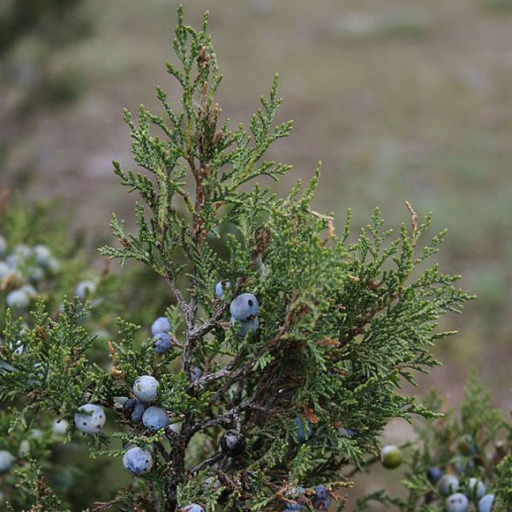
- 🍃 Dual Foliage: This juniper displays two types of leaves; young trees feature sharp, needle-like foliage, while mature branches are covered in soft, overlapping scales that look like tiny green braids.
- 🪵 Peeling Bark: The trunk is a work of art, featuring shaggy, reddish-brown bark that peels away in long, vertical strips, revealing a weathered grey texture underneath.
- 🫐 Frosted Berries: It produces small, globose "berries" (which are actually fleshy seed cones) that transition from green to a deep purple-black, often coated in a waxy, sky-blue "bloom."
🏡 In Your Garden
- ⛰️ The Drainage King: In a landscape setting, this plant is the ultimate "set it and forget it" choice for rocky or poor soils. Its primary requirement is exceptional drainage; it absolutely hates "wet feet" and will suffer in heavy, soggy clay.
- ⏳ Patience Required: This is a slow-growing species that prioritizes deep root establishment over height. Because it develops a sensitive taproot, it is notoriously difficult to transplant once established, so choose its permanent "forever home" carefully.
- 🌬️ Wind & Cold Hardy: Thanks to its high-altitude heritage, it acts as an excellent windbreak and can tolerate extreme temperature fluctuations, from scorching summer heat to freezing mountain winters.
⚠️ Safety & Toxicity
- 🐾 Mildly Toxic: Like many members of the Juniper family, the leaves and berries contain volatile oils (like thujone) that can cause digestive upset if consumed in large quantities by pets or curious children.
- 🌵 Skin Irritation: The sharp, prickly juvenile needles can cause minor skin irritation or "juniper dermatitis" for those with sensitive skin during pruning. Wearing gloves is highly recommended.
✨ Fun Fact
In the Taurus Mountains of Turkey, some Juniperus excelsa individuals are estimated to be over 2,000 years old. Because their wood is incredibly dense and resistant to decay, it was historically used to build the foundations of ancient temples and ships that lasted for centuries.

Detailed Care Instructions
To grow Juniperus Excelsa, also known as Greek juniper or Grecian juniper, you can follow these steps:
- Choose the right location: Juniperus Excelsa thrives in full sun to partial shade and prefers well-draining soil. Ensure that the planting area receives at least six hours of direct sunlight per day.
- Prepare the soil: The soil should be well-draining and slightly acidic to neutral in pH. If the soil is clay or compacted, amend it with organic matter like compost or peat moss to improve drainage.
- Planting: Dig a hole twice as wide as the plant’s root ball and deep enough to accommodate the root system. Gently remove the plant from its container, loosen the roots slightly, and place it in the hole. Backfill the hole with soil, ensuring the base of the plant is level with the ground, and tamp the soil lightly to remove air pockets.
- Watering: Water the newly planted Juniperus Excelsa thoroughly after planting to settle the soil. Afterward, water it deeply once a week, especially during dry periods. Overwatering should be avoided, as it can lead to root rot.
- Mulching: Apply a layer of organic mulch, such as wood chips or bark, around the base of the plant. This helps conserve moisture, suppresses weeds, and regulates soil temperature.
- Pruning: Juniperus Excelsa rarely requires pruning, but if necessary, prune in early spring before new growth begins. Remove any dead, damaged, or diseased branches, and shape the plant as desired.
- Fertilizing: Juniperus Excelsa generally does not require regular fertilization unless the soil is lacking in nutrients. If needed, apply a slow-release, balanced fertilizer in early spring.
- Maintenance: Regularly monitor the plant for pests or diseases such as spider mites, scale insects, or fungal infections. Remove any affected parts promptly and treat as needed.
Remember to research the specific needs of Juniperus Excelsa to ensure the best care and growth for your particular region and climate.

Place in a bright room that is sun drenched almost all day. Or directly in a south-facing window.

Juniperus Excelsa, also known as the Mediterranean cypress or Greek juniper, is a species of coniferous tree in the cypress family. It is native to the eastern Mediterranean region, including Greece, Turkey, and Lebanon. When it comes to watering this plant, here are some guidelines to follow:
1. Watering frequency: Juniperus Excelsa prefers to be watered deeply but infrequently. Allow the top few inches of the soil to dry out between waterings to prevent over-watering, which can lead to root rot.
2. Soil type: This plant prefers well-draining soil to prevent excessive moisture retention. Use a blend of sandy soil, compost, and perlite or vermiculite to improve drainage.
3. Watering method: When watering, it is best to use a slow, deep watering technique to ensure that the water reaches the plant's entire root system. Direct the water towards the base of the plant, allowing it to soak down into the roots rather than spraying it from above.
4. Water quantity: Provide enough water to moisten the soil thoroughly. If the water begins to accumulate or puddle around the base of the plant, you may be over-watering it. Adjust the amount of water accordingly.
5. Weather conditions: During periods of hot and dry weather, Juniperus Excelsa may require more frequent watering to prevent dehydration. However, be careful not to over-water, as this species is relatively drought-tolerant.
6. Mulching: Mulching around the base of the plant with organic materials such as wood chips or compost can help retain moisture in the soil, reduce weed growth, and regulate soil temperature. Ensure that the mulch layer is not too thick, as it can trap excess moisture.
7. Monitoring signs of water stress: Look for signs that indicate whether the plant is underwatered or overwatered. Drooping or yellowing foliage may indicate underwatering, while wilting or brown and mushy roots may suggest over-watering. Adjust your watering routine accordingly.
Remember, the watering needs of Juniperus Excelsa may vary depending on factors such as climate, soil conditions, and the age of the plant. Regularly observing and evaluating the moisture levels of the soil and the health of the plant will help you determine the appropriate watering schedule.
- Juniperus Excelsa plants should be fertilized in early spring or early fall.
- Choose a balanced, slow-release or organic fertilizer, specifically made for evergreen trees and shrubs.
- Follow the instructions on the fertilizer package for the correct dosage based on the size and age of your plant.
- Scatter the fertilizer evenly around the perimeter of the plant, avoiding direct contact with the trunk.
- Gently work the fertilizer into the top inch of soil using a garden fork or hoe.
- Water the plant thoroughly after fertilizing to allow the nutrients to penetrate the soil.
- Avoid over-fertilizing, as it can lead to excessive foliage growth and weaken the plant's overall health.
- Monitor the plant's response to the fertilizer. If you notice excessive yellowing of the foliage or other signs of stress, reduce the amount of fertilizer applied in the future.
- Repeat the fertilization process annually or as recommended by a horticulturist to maintain the plant's vigor and appearance.
When selecting soil for Juniperus excelsa, it is important to consider its natural habitat and growing conditions. This plant is native to certain regions, and replicating its natural environment can contribute to its successful growth. Juniperus excelsa prefers well-draining soils with a slightly acidic to neutral pH level.
Ideally, the soil for this plant should be a mix of organic matter, such as compost or peat moss, and inorganic materials like sand, perlite, or vermiculite. This combination helps to ensure proper drainage while maintaining adequate moisture retention.
Avoid using heavy or clay soils that tend to retain water, as these can lead to root rot and other moisture-related issues. Instead, opt for loose, well-aerated soil that allows water to drain freely and prevents waterlogging.
The soil should also be enriched with nutrients to support healthy growth. Adding a balanced slow-release fertilizer or incorporating organic matter into the soil prior to planting can provide essential nutrients for the Juniperus excelsa plant.
Regular monitoring of the soil moisture level is recommended, as this plant prefers moist but not excessively wet conditions. Ensuring proper drainage and avoiding waterlogged conditions is crucial for maintaining the health of Juniperus excelsa. Additionally, mulching the soil surface can help to conserve moisture and regulate soil temperature for optimal growth.
In summary, the ideal soil for Juniperus excelsa consists of a well-draining mixture with a slightly acidic to neutral pH, incorporating organic matter, and avoiding heavy or clay soils. Providing the right soil conditions will contribute to the overall health and vitality of this plant.
To propagate Juniperus Excelsa plants, you can follow these steps:
- Start by collecting ripe, mature berries from the plant. Ensure that the berries are fully developed and have a bluish-black color.
- Clean the berries to remove any pulp or debris. You can gently wash them under running water and then pat them dry.
- Fill a seed tray or small pots with a well-draining soil mix. You can use a combination of peat, perlite, and sand to create a suitable medium.
- Place the cleaned berries on the soil surface, ensuring they are evenly spaced and not touching each other. Press them lightly into the soil, but avoid burying them too deep.
- Mist the surface of the soil to provide moisture and cover the seed tray or pots with a clear plastic bag or plastic wrap to create a humid environment.
- Keep the seed tray or pots in a warm location with indirect sunlight. The ideal temperature for germination is around 70°F (21°C).
- Check the moisture level regularly and mist the soil whenever it feels dry. Be careful not to overwater, as excessive moisture may lead to fungal growth or rot.
- Germination can take anywhere from a few weeks to a few months, so be patient. Once the seedlings have emerged and gained some size, remove the plastic covering.
- As the seedlings continue to grow, you can transplant them into larger pots or individual containers with well-draining soil. Make sure to provide enough space for their root systems to develop.
- Place the transplanted seedlings in a location with bright, indirect sunlight. Ensure they receive proper watering and fertilize them with a balanced, slow-release fertilizer according to the manufacturer's instructions.
- Continue to care for the young plants by monitoring their moisture levels, providing adequate sunlight, and protecting them from extreme temperatures or harsh weather conditions.
By following these steps, you should be able to successfully propagate Juniperus Excelsa plants from berries and grow healthy new plants.








