Plant Overview
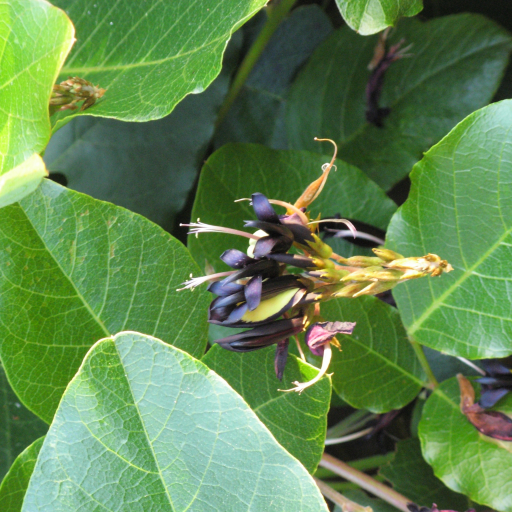
Often called the Black Coral Pea, this vigorous Australian native looks like something plucked from a dark fantasy novel. Its striking black and yellow flowers stand out against lush green foliage, making it a favorite for gardeners wanting to add a touch of mystery and drama to their landscape. It is a champion of the "Gothic Garden" aesthetic and is famous for its incredible speed and resilience.
🔍 How to Identify
- 🖤 The Flowers: Unique pea-shaped blooms that are a deep, velvety black with a contrasting splash of bright neon-yellow in the center.
- 🌿 The Foliage: Large, oval-shaped dark green leaflets arranged in groups of three, often with a slightly leathery texture and prominent veins.
- 🧗 The Habit: A rampant, woody climber or ground-hugger that can spread over 5 meters, using its twining stems to scale fences or "carpet" the earth.
🏡 In Your Garden
- 🚧 Space & Control: Because it grows so incredibly fast, it’s a brilliant choice for hiding ugly fences or stabilizing slopes, but it requires regular pruning to keep it from "swallowing" smaller nearby plants.
- ☀️ Soil & Drainage: It is a "tough love" plant that thrives in well-drained, sandy soil. It hates having "wet feet," so avoid boggy areas where water sits after rain.
⚠️ Safety & Toxicity
- ✅ Non-Toxic: Kennedia nigricans is generally considered safe and is not known to be poisonous to humans or common household pets.
- 🧤 Garden Safety: While not toxic, the stems can become very woody and tough over time; wearing gloves while pruning is recommended to avoid scratches or skin irritation from the dense foliage.
✨ Fun Fact
In the wild, this plant is a "fire follower." Its seeds have a very hard coating that often requires the intense heat of a bushfire to crack open, allowing the plant to be among the first to regrow and reclaim the charred landscape.

Detailed Care Instructions
To grow Kennedia Nigricans, also known as Black Kennedy, follow these steps:
- Climate and Soil: Kennedia Nigricans is native to Australia and thrives in Mediterranean climates. It prefers well-drained soil with a pH level between 6.0 and 7.5.
- Sunlight: This plant requires full sunlight to flourish. Ensure it receives at least 6 hours of direct sunlight each day.
- Germination: Collect seeds from a reliable source or obtain them from a nursery. Soak the seeds in water overnight to soften the outer seed coat.
- Sowing: Select a well-draining pot or container and fill it with a seed-starting mix. Plant the seeds about 2 cm deep and cover them with soil. Water thoroughly and ensure the soil remains consistently moist until germination occurs.
- Transplanting: Once the seedlings have established and grown to about 10 cm in height, they can be transplanted outdoors. Ensure all signs of frost are gone before moving them to the garden.
- Planting Location: Choose a location in your garden that receives full sunlight. Make sure the soil is well-draining and fertile. Plan for a trellis or support structure for the vine to climb as it grows.
- Planting: Dig a hole that is slightly larger and deeper than the nursery container. Gently remove the Black Kennedy plant from the container and place it in the hole. Backfill the hole with soil, ensuring the plant remains upright. Water thoroughly after planting.
- Maintenance: Water regularly, especially during the plant's active growing season. Apply a layer of mulch around the base of the plant to retain moisture and suppress weed growth. Prune the vine lightly to manage its growth and encourage branching.
- Fertilizer: Apply a slow-release, balanced fertilizer in spring and summer to provide necessary nutrients for the plant's growth.
- Pests and Diseases: Kennedia Nigricans is generally resistant to pests and diseases. However, keep an eye out for common garden pests such as aphids or spider mites. Treat any infestations promptly using appropriate methods or natural remedies.
With proper care and maintenance, your Kennedia Nigricans plant should thrive and produce its striking black and yellow flowers. Enjoy the beautiful vine in your garden!

Place in a bright room that is sun drenched almost all day. Or directly in a south-facing window.
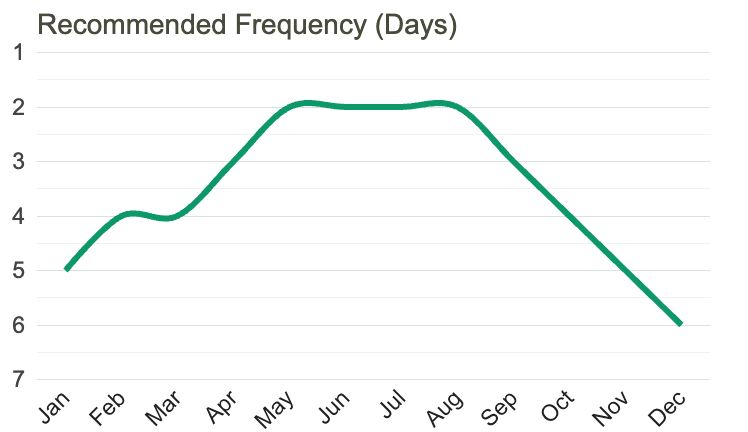
When watering this plant, it is important to ensure that the soil is moist but not waterlogged. This can be achieved by watering deeply once or twice a week, rather than lightly and more often. It is also wise to allow the top layer of soil to dry out slightly in between waterings. When watering, aim to water around the base of the plant rather than on the leaves or flowers. Additionally, be cautious not to over-fertilize the plant as this can lead to excessive growth and flowering at the expense of the plant's overall health.
To fertilize this plant, use a balanced fertilizer with equal parts nitrogen, phosphorus, and potassium. Apply the fertilizer during the growing season, which is typically in the spring and summer, and avoid fertilizing during the dormant season. Mix the fertilizer into the soil around the base of the plant, being careful not to get it on the leaves or stem. Water the plant thoroughly after fertilizing.
The best soil to use with this plant is a well-draining, nutrient-rich soil that is slightly acidic. It is important to avoid heavy clay soil that can retain too much moisture and cause root rot. A mixture of compost, peat moss, and sand can be beneficial to improve drainage and nutrient availability. The pH level of the soil should be between 5.5 and 6.5. Fertilization may be necessary during the growing season with a balanced fertilizer, avoiding excessive amounts of nitrogen. It is recommended to add mulch to the soil to help regulate moisture levels and prevent weed growth. The chosen soil should be able to provide enough nutrients to support the plant's growth and ensure healthy development.
Kennedia Nigricans plant can be propagated through stem cuttings. First, select healthy stems that are free from diseases and pests. Using a clean, sharp pruning shear, cut a stem that is 4-6 inches long with 2-3 leaves attached. Remove the leaves from the bottom 2 inches of the stem.
To prepare the stem cutting for rooting, dip the cut end into rooting hormone powder. Then, place the stem cutting into a container with moist potting soil. Cover the container with a clear plastic bag or wrap to create a greenhouse effect. Make sure to keep the soil evenly moist.
Place the container in a bright area with indirect sunlight. Avoid placing it in direct sunlight, as this can cause the cutting to dry out. After a few weeks, the cutting should start to root. You can check by gently tugging on the stem to see if it has anchored itself in the soil.
Once the cutting has rooted, you can transplant it into a larger container with well-draining soil. Keep the plant moist and fertilize it regularly to promote growth. After a few months, the plant should be established enough to be planted in its permanent location in the garden.








