Plant Overview
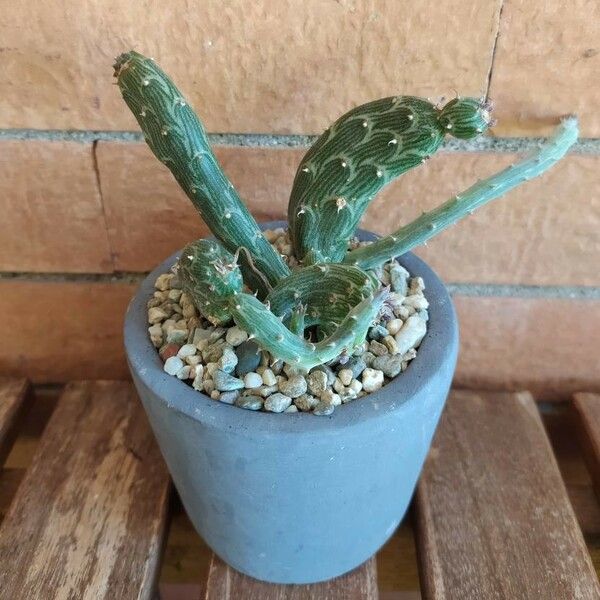
The Kleinia pendula, famously known as the Inchworm Plant or the Walking Stick, is one of the most architectural and bizarre succulents in the botanical world. Native to the rocky terrains of East Africa and the Arabian Peninsula, this plant doesn't just grow—it "travels." Its segmented, snake-like stems arch through the air and dive back into the soil, creating a mesmerizing loop-de-loop effect that looks like a colony of giant green caterpillars frozen in mid-crawl.
🔍 How to Identify
- 🐍 The Stems: Thick, cylindrical, and segmented stems that resemble sausages or worms. They are typically greyish-green with darker, "snake-skin" marbling patterns.
- 🧶 Growth Habit: Instead of growing straight up, the stems arch downward. When the tip touches the ground, it sprouts new roots and starts a new "arch," allowing the plant to "walk" across its container or garden bed.
- 🏮 The Flowers: Surprisingly vibrant, tassel-like flowers in a brilliant shade of crimson or fire-engine red. They appear on long, slender stalks, contrasting sharply with the alien-looking stems.
- 🍃 Small Leaves: You might occasionally see tiny, scale-like leaves near the tips of new growth, but these are often deciduous and fall off quickly to help the plant conserve water.
🏡 In Your Garden
- 🐢 A Winter Grower: Unlike many common succulents, the Inchworm Plant is often "opportunistic" or winter-active. It may go dormant during the hottest parts of summer, so don't be alarmed if it stops moving when the sun is at its peak.
- 🏜️ The "Arch" Drainage: Because its stems frequently touch the soil to root, it is highly susceptible to rot if the medium is too damp. It thrives best in a very gritty, porous "cactus mix" and prefers shallow terracotta pots that allow the roots to breathe.
- ☀️ Light & Color: While it loves bright light, too much direct, scorching midday sun can bleach its beautiful marbled patterns. A spot with bright, indirect morning light will bring out the deep purples and reds in the stem skin.
⚠️ Safety & Toxicity
- 🐾 Status: Toxic to pets and humans.
- 🚫 Details: Like many of its cousins in the Senecio alliance, Kleinia pendula contains pyrrolizidine alkaloids. If ingested by curious cats, dogs, or toddlers, it can cause stomach upset, drooling, or vomiting. The clear sap can also be a mild skin irritant for those with sensitive skin, so wearing gloves during propagation is a smart move.
✨ Fun Fact
The Inchworm Plant is a master of the "Self-Propagating Loop." In its natural habitat, a single plant can eventually cover a wide area by continuously rooting its tips, effectively moving itself to find better soil or moisture—making it one of the few plants that can technically "migrate" over time!

Detailed Care Instructions
To grow Kleinia Pendula, also known as the creeping jade or trailing jade, follow these steps:
- Select a suitable location: Kleinia Pendula prefers full sun or partial shade. Choose a spot with well-draining soil.
- Prepare the soil: Make sure the soil is well-drained, sandy, and fertile. If the soil is heavy and clay-like, add some organic matter like compost to improve drainage.
- Propagation: Kleinia Pendula can be propagated from stem cuttings. Take a cutting about 3-4 inches long from a healthy plant. Remove the lower leaves and dip the cut end in rooting hormone. Plant the cutting in a pot with well-draining soil and keep it slightly moist until roots develop.
- Planting: If you have a rooted cutting, plant it in a pot or directly in the ground. Make sure the pot or the planting hole is large enough to accommodate the mature plant.
- Watering: Kleinia Pendula is a succulent, so it is drought-tolerant and does not require frequent watering. Water the plant sparingly, allowing the soil to dry out between waterings. Overwatering can cause root rot.
- Fertilizing: Apply a balanced liquid fertilizer diluted to half-strength during the growing season (spring and summer) once every month or two. Do not fertilize during the winter months.
- Pruning: Prune the plant to maintain its shape and prevent it from becoming too leggy. Pinch back the tips to encourage branching.
- Pests and diseases: Kleinia Pendula is generally resistant to pests and diseases. However, overwatering can lead to fungal infections. Monitor the plant regularly for signs of pests like mealybugs or spider mites, and treat them promptly if found.
- Transplanting: If the plant outgrows its current pot or location, it can be easily transplanted. Gently remove the plant from its container or dig it up from the ground and replant it in a larger pot or a new spot in the garden.
By following these steps and providing the right conditions, you can successfully grow Kleinia Pendula.

Place in a bright room that is sun drenched almost all day. Or directly in a south-facing window.

To water this particular species of plant, you should wait until the top layer of soil feels dry to the touch before watering. It is important not to over-water as this can lead to root rot. When watering, you should give the plant enough water to saturate the soil but avoid allowing any excess water to sit in the pot. A good rule of thumb is to water deeply and then allow the soil to dry out again before watering the plant. Additionally, it is important to avoid getting water on the leaves as this can cause damage and promote the growth of mold and other fungi.
To fertilize this plant, use a balanced soluble fertilizer that contains equal amounts of nitrogen, phosphorus, and potassium. Dilute the fertilizer in water according to the instructions on the package. Apply the fertilizer to the soil around the base of the plant, taking care not to get any on the leaves. Fertilize every two to four weeks during the growing season, and reduce fertilization during the winter months. Avoid over-fertilizing, as this can lead to salt buildup in the soil, which can harm the plant. Always water the plant thoroughly after fertilizing.
Kleinia Pendula plant prefers a well-draining soil mixture that contains elements of sand, perlite, and peat. It is important to ensure that the soil is not too rich in nutrients and that it is not overly compact as this can lead to waterlogging and root rot. A suitable soil mix will allow for optimal air circulation and drainage, promoting healthy root growth and reducing the risk of disease. It is recommended to use a soil that is pH neutral or slightly acidic, as this will cater to the plant's unique requirements. Additionally, it is advisable to add a layer of mulch to the surface of the soil to help retain moisture and boost the overall health of the plant.
Propagation of this plant can be achieved through stem cuttings or leaf cuttings. For stem cuttings, select a healthy stem that is free of disease or damage. Cut a section of the stem that is at least 4 inches long and remove any lower leaves. Allow the cutting to dry out for a few days in a shaded area before planting it in a well-draining potting soil mix. Water the cutting sparingly and keep it in a bright, but indirect, light until roots and new growth appear.
For leaf cuttings, choose a healthy leaf and carefully detach it from the plant. Lay the leaf on top of a potting soil mix and gently press it down so that it makes contact with the soil. Water the soil sparingly and keep the leaf in a bright, but indirect, light until new growth appears.
Regardless of the method chosen, it is important to maintain a warm and humid environment for the cuttings until they are established. After this, the plant can be transferred to a larger pot or directly planted in the ground.
Common pests of the kleinia pendula include Mealybugs, thrips. Make a habit of checking your kleinia pendula frequently for pests so that any infestations can be caught and managed early.








