Plant Overview
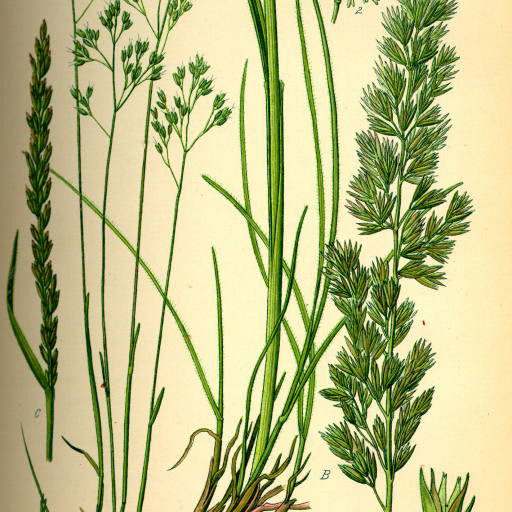
Known affectionately as June Grass or Crested Hairgrass, this elegant prairie native is the silver lining of the meadow. It earns its nickname from its peak performance in early summer, providing a shimmering, architectural backdrop just as other plants are still waking up. It is a staple for those looking to recreate a breezy, wild prairie aesthetic in a low-maintenance landscape.
🔍 How to Identify
- 🌾 Growth Habit: Forms tight, compact tufts or "bunches" of narrow, stiff foliage that typically reach about one to two feet in height.
- 💎 The Texture: The leaves are a soft blue-green or silvery-gray, often covered in tiny, fine hairs that catch the morning dew, giving the plant a luminous quality.
- 🗼 The Seed Heads: Its most striking feature is the dense, spike-like flower head. It starts as a tight, narrow pyramid of green and matures into a shining, tan-colored plume that persists into the winter.
🏡 In Your Garden
- 🏜️ Soil Preference: This grass is a champion of "lean" living; it actually prefers poor, sandy, or rocky soils where other plants might struggle. Avoid over-fertilizing, as rich soil can make the stems "floppy" and shorten the plant's lifespan.
- 🌬️ Climate Resilience: As a "cool-season" grass, it does most of its growing in the spring and fall. It is exceptionally drought-tolerant once established and can survive harsh, freezing winters without any extra protection.
- 🦋 Wildlife Value: While it looks delicate, it provides vital nesting material for small birds and serves as a larval host plant for several species of butterflies, including various Skippers.
⚠️ Safety & Toxicity
- ✅ Status: Non-toxic. This plant is considered safe for humans, cats, dogs, and livestock.
- 🤧 Allergy Note: Because it relies on the wind for pollination, it releases pollen during its blooming phase in June. If you suffer from seasonal hay fever, you may want to avoid planting it directly under bedroom windows.
✨ Fun Fact
- Despite its delicate appearance, Koeleria pyramidata is a world traveler; it is one of the most widely distributed grasses in the Northern Hemisphere, found naturally in environments ranging from the Great Plains of North America to the high-altitude meadows of the European Alps!

Detailed Care Instructions
Koeleria pyramidata, also known as June grass, is a drought-tolerant grass that is native to North America. Here are some tips on how to grow this plant:
- Soil: Koeleria pyramidata prefers well-draining, sandy or gravelly soil. It can tolerate poor soil conditions, but does best in soil that is not too rich in nutrients.
- Sunlight: This plant thrives in full sun, so make sure to plant it in a location where it will receive at least 6 hours of sunlight per day.
- Watering: Koeleria pyramidata is drought-tolerant once established, so be careful not to overwater it. Water occasionally during hot, dry periods, but be sure to let the soil dry out between waterings.
- Fertilization: Avoid fertilizing Koeleria pyramidata, as it does not require additional nutrients to thrive.
- Propagation: You can propagate Koeleria pyramidata by dividing mature clumps in the fall or spring. Simply dig up the plant and carefully separate the clumps into smaller sections, then replant them in the desired location.
- Maintenance: This plant is low-maintenance and does not require much attention once established. You can trim it back in the spring to encourage new growth.
By following these tips, you should be able to successfully grow Koeleria pyramidata in your garden or landscape.

Place in a bright room that is sun drenched almost all day. Or directly in a south-facing window.

To water this particular plant, it is important to understand its watering requirements. Firstly, it prefers to be kept in a well-draining soil mix, so watering too frequently can risk waterlogging the roots and causing damage. In terms of frequency, it is recommended to let the top layer of soil dry out slightly before watering again.
When watering, it is important to avoid getting water on the foliage as this can lead to disease and fungal issues. Instead, water at the base of the plant and allow the water to soak into the soil. Depending on the size of the plant and its growing conditions, it may require more or less water than other plants in your garden, so make sure to monitor the soil moisture levels regularly.
During hot weather, this plant may require more frequent watering to prevent the soil from completely drying out. However, it is important not to over-water as this can lead to root rot and other problems. As with any plant, it is important to tailor your watering to the specific needs of your individual Koeleria Pyramidata plant.
To fertilize the Koeleria pyramidata plant, apply a balanced fertilizer with an N-P-K ratio of 10-10-10 in the spring before new growth begins. Use a granular fertilizer and apply it evenly over the soil around the base of the plant. Water the plant thoroughly after applying the fertilizer to help it absorb the nutrients. Repeat this fertilization process once a year in the spring to support healthy growth and blooming. Avoid over-fertilizing as it can harm the plant.
Koeleria pyramidata plant grows best in a well-draining soil mix that is rich in organic matter. The soil should be loamy, with a slightly acidic to neutral pH level of 6.0 to 7.0. It is important to avoid heavy, compacted soils as they can cause root rot and other problems. A sandy or rocky soil mix is also acceptable as long as it does not completely dry out. The plant prefers full sun exposure and moderate watering, allowing the soil to dry slightly between watering intervals. Fertilization is not usually necessary for this plant, but a balanced fertilizer can be applied in the spring or fall if desired.
To propagate Koeleria pyramidata, you can utilize several methods. One way is through division, where you can separate the plant's roots into smaller sections and replant them in suitable soil. Another method is through seed propagation, where you can collect the plant's seeds and sow them in a well-draining potting mix. Ensure the seeds are kept moist and placed in a warm, sunny location to germinate successfully. Additionally, you can propagate Koeleria pyramidata through stem cuttings. Simply take a cutting from the plant, remove the lower leaves, and place the cutting in water or a rooting hormone before planting it in soil. With proper care and attention, your propagated Koeleria pyramidata plants should thrive and grow successfully.








