Plant Overview
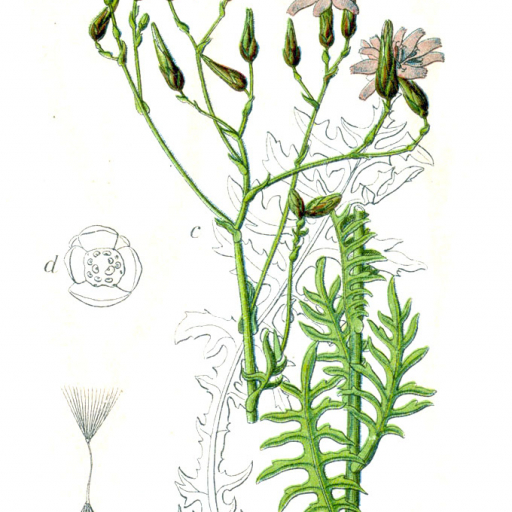
Known as the "Blue Lettuce" or "Mountain Lettuce," Lactuca perennis is the elegant, wild cousin of your standard backyard salad greens. Unlike the humble garden lettuce, this perennial beauty is prized as much for its striking lavender-blue blossoms as it is for its history as a foraged snack. In its native European haunts, it is often seen as a hardy survivor, clinging to rocky hillsides and sun-drenched meadows with effortless grace.
🔍 How to Identify
- 🪻 The Blooms: Features clusters of delicate, daisy-like flowers that range from pale sky-blue to deep violet. Each petal has a distinctively notched "toothed" edge.
- 🌿 The Foliage: The leaves are a soft blue-green and deeply lobed, looking almost like an exaggerated, lacy version of a dandelion leaf.
- 🥛 The Sap: If you snap a stem, the plant will "bleed" a sticky, bitter, milky-white latex, a signature trait of the Lactuca family.
🏡 In Your Garden
- 🪨 The Great Drainer: This plant is a specialist in rocky, well-drained soils. It’s the perfect candidate for a rock garden or a xeriscape (low-water) design where other plants might wither in the heat.
- 🌱 Deep Roots: Because it grows from a sturdy taproot, it is incredibly drought-tolerant once established. However, this means it hates being moved—pick a "forever home" for it to avoid transplant shock.
⚠️ Safety & Toxicity
- 🥗 Status: Edible with caveats.
- 🐶 Details: The young leaves are traditionally used in salads and have a pleasant, slightly nutty flavor. However, as the plant matures, the "lactucarium" (the milky sap) increases, making the leaves very bitter and potentially causing mild digestive upset or a sedative effect if eaten in large quantities. It is generally safe for pets, though the bitter taste usually keeps them from overindulging.
✨ Fun Fact
The genus name Lactuca is derived from the Latin word "lac," meaning milk. This refers to the white sap, which in ancient times was dried and used as a mild herbal alternative to opium, earning it the nickname "Lettuce Opium."

Detailed Care Instructions
To grow Lactuca perennis (also known as perpetual lettuce or wild lettuce), follow these steps:
- Choose a suitable location: Lactuca perennis prefers full sun to partial shade. Select a spot in your garden that receives at least 4-6 hours of sunlight per day.
- Soil preparation: Prepare the soil by loosening it and removing any weeds or debris. Lactuca perennis prefers well-draining soil with a pH level between 6.0 and 7.5.
- Planting: Sow the seeds directly into the prepared soil. The best time for planting is typically in early spring or late fall. Scatter the seeds over the soil and gently press them into the ground. Space the seeds around 6-12 inches apart.
- Watering: Keep the soil consistently moist but not waterlogged. Water the plant regularly, especially during dry periods. Avoid overhead watering to prevent fungal diseases, instead, water at the base of the plant.
- Mulch: Apply a layer of organic mulch, such as straw or wood chips, around the base of the plant. Mulching helps conserve moisture, suppresses weeds, and improves soil health.
- Fertilization: Lactuca perennis generally does not require heavy fertilization. However, you can apply a balanced, slow-release fertilizer during the growing season to provide necessary nutrients. Follow the package instructions for application rates.
- Maintenance: Remove any weeds that may compete with the plant for nutrients and water. Prune back any decaying or dead leaves to maintain plant health.
- Harvesting: You can start harvesting the leaves when they reach a suitable size. Harvesting the outer leaves will encourage the growth of new leaves from the center of the plant. Use a sharp knife or scissors to cut the leaves near the base of the plant.
- Pest and disease control: Monitor the plants regularly for any signs of pests or diseases, such as aphids or leaf spots. If necessary, apply organic pest control methods or consult with a local gardening expert for suitable treatments.
By following these steps, you should be able to successfully grow Lactuca perennis in your garden.

Place in a bright room that is sun drenched almost all day. Or directly in a south-facing window.

Lactuca Perennis is a plant that requires regular watering to thrive and remain healthy. When watering this plant, it is important to take into consideration the soil type and the weather conditions.
One way to water Lactuca Perennis is to use a watering can or hose to apply water directly to the soil around the base of the plant. When doing this, it is important to avoid getting water on the leaves or stem of the plant, as this can lead to fungal diseases and other issues.
Another watering method is to use a drip irrigation system, which delivers water directly to the soil at a slow and steady rate. This method can be particularly effective in areas with hot and dry weather, as it helps to ensure that the plant receives adequate moisture without being overwatered.
Regardless of the watering method used, it is important to water Lactuca Perennis regularly, especially during the growing season when the plant is actively producing leaves and flowers. Be sure to water deeply, but also allow the soil to dry out slightly between waterings to prevent root rot and other issues.
To promote healthy growth and bloom, fertilize this plant by applying a balanced, all-purpose fertilizer once per month during the growing season. Ensure that the fertilizer is evenly distributed around the base of the plant, and water well after application. Avoid over-fertilizing, as this can damage the foliage and roots.
Lactuca Perennis plant requires a well-draining soil that is rich in organic matter, with a pH range of 6.0-7.0. A soil that is loamy and has good water retention capabilities is best. The soil should also be kept moist but not waterlogged. It is important to avoid using soil that is heavy in clay as it can cause waterlogging and affect the plant's growth. When planting Lactuca Perennis, it is recommended to mix compost or other organic matter into the soil to improve its fertility. It is also important to ensure good drainage by incorporating sand or gravel into the soil as well.
Lactuca Perennis is a perennial plant species that can be propagated through vegetative propagation methods. To propagate this plant, you can take stem cuttings from a healthy and mature plant. The stem cuttings should have at least two nodes, which are the points where leaves emerge from the stem.
After taking the stem cuttings, you should remove the bottom leaves, leaving only a few leaves at the top. Then, dip the cuttings in rooting hormone powder and plant them in a rooting medium, such as a mixture of perlite and peat moss. The cuttings should be kept in a warm and humid environment with indirect light until they form roots.
Once the cuttings have developed roots, you can transplant them into individual pots or a garden bed. Be sure to keep the soil moist but not saturated and provide them with adequate light and nutrients to promote healthy growth. With proper care, the propagated Lactuca Perennis plants will grow into mature plants that can produce flowers and seeds.








