Plant Overview
Known as the "Queen of Mexican Laelias," Laelia anceps is a rugged beauty that defies the common perception of orchids as fragile divas. Native to the mountain forests of Mexico and Honduras, it is celebrated for its ability to withstand temperatures that would make other tropical orchids shiver. Often blooming in late autumn and early winter, it is a seasonal favorite for bringing vibrant color to the garden when other plants are dormant.
🔍 How to Identify
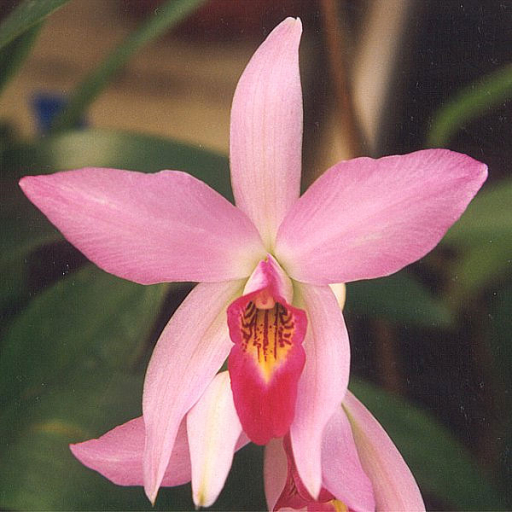
- 🌸 The Flowers: Large, star-shaped blooms typically ranging from pale lavender to deep rose, often featuring a striking, velvety dark purple "lip" with yellow veins inside the throat.
- 🎋 The Flower Spike: Remarkably long, wiry stems that can reach up to 3 feet in length, topped with a cluster of 2 to 5 elegant blossoms.
- 🌿 The Foliage: Tough, leathery, evergreen leaves that grow from flattened, egg-shaped "pseudobulbs" (the thick base of the plant used for water storage).
🏡 In Your Garden
- 🧗 Mounting Preference: Because it is an epiphyte (air plant), this orchid thrives best when mounted on a piece of cork bark or nestled in a wooden slat basket. It hates "wet feet," so avoid heavy potting soils that stay soggy.
- ❄️ Temperature Toughness: Unlike most orchids, this species can tolerate light frosts and high summer heat. It actually requires a significant drop in temperature during the autumn nights to trigger its spectacular flowering cycle.
- ☀️ Light Needs: It is a sun-lover. In coastal or mild climates, it can even be grown outdoors year-round in bright, dappled sunlight, though it appreciates a bit of shade during the scorching midday hours.
⚠️ Safety & Toxicity
- 🐾 Pet Friendly: Laelia anceps is generally considered non-toxic to cats, dogs, and horses, making it a safe choice for pet-owning households.
- 👐 Skin Sensitivity: While not poisonous, the dried sheaths on the stems can sometimes be sharp. Always handle with care to avoid minor scratches when pruning old flower spikes.
✨ Fun Fact
In its native Mexico, Laelia anceps is deeply tied to cultural celebrations; it is frequently used to decorate altars for "Día de los Muertos" (Day of the Dead) and to adorn churches during the Christmas season.

Detailed Care Instructions
To grow Laelia anceps successfully, follow these steps:
- Light requirements: Laelia anceps prefers bright, indirect light. Place the plant near a south-facing window or provide it with 12-14 hours of fluorescent light per day. Avoid direct sunlight, as it may scorch the leaves.
- Temperature: Laelia anceps thrives in intermediate temperatures between 60-80°F (15-27°C) during the day and a slight drop in temperature at night.
- Humidity: This plant enjoys high humidity levels. Place the pot on a humidity tray filled with water or mist the leaves regularly to increase humidity around the plant.
- Watering: Water regularly during the growing season (spring and summer) and reduce watering during the dormant stage (fall and winter). Allow the top inch of soil to dry out before watering again. Do not allow the plant to sit in water or remain overly wet, as it can cause root rot.
- Fertilization: Feed the plant with a balanced orchid fertilizer diluted to half strength every two weeks during the growing season. Avoid fertilizing during the dormant period.
- Potting: Use a well-draining orchid potting mix that allows air circulation around the roots. Repot the plant in fresh mix every 1-2 years or when the pot becomes overcrowded with roots.
- Air circulation: Laelia anceps appreciates good air circulation but should be protected from drafts or sudden temperature changes.
- Blooming: Laelia anceps typically blooms in late winter or early spring. Provide a 4-6 week cool, dry period (50-55°F or 10-13°C) in the fall to encourage blooming.
- Pest control: Regularly inspect the plant for pests such as scale insects, aphids, or mealybugs. Treat any infestations promptly with an appropriate organic or chemical pesticide.
- Division: If your Laelia anceps outgrows its pot, you can divide the plant during repotting. Ensure that each division has a healthy pseudobulb and roots.
By following these care instructions, you should be able to successfully grow and enjoy your Laelia anceps plant.

Place in a window with dappled sun or a spot in the middle of a room. Or directly in a window facing west or east.

Laelia Anceps is a plant that requires regular watering to thrive. The frequency of watering depends on the soil and environmental conditions, but it is generally recommended to keep the soil consistently moist but not waterlogged.
To water Laelia Anceps, fill a watering can or pitcher with room temperature or lukewarm water. Pour the water gently and evenly around the soil, taking care not to drench the leaves or flowers, as this can cause rot or damage. Allow the water to soak in fully before watering again.
It is important to avoid letting the soil dry out completely between waterings, as this can lead to wilting and stress on the plant. On the other hand, overwatering can cause root rot and other issues, so it is crucial to strike a balance and use proper judgment when watering.
Monitoring the plant's growth and condition can give clues as to when it needs watering - for example, if the leaves look wilted or limp, it may be time to water. Additionally, checking the moisture level of the soil by sticking your finger an inch or two down into the soil can help determine whether watering is needed.
Overall, keeping Laelia Anceps well-watered and maintaining consistent, moderate moisture levels in the soil is key to promoting healthy growth and vibrant blooms.
To properly fertilize the Laelia Anceps plant, follow these instructions:
- Choose a balanced fertilizer with an equal ratio of nitrogen (N), phosphorus (P), and potassium (K). Look for a slow-release or orchid-specific fertilizer.
- Apply the fertilizer at half-strength. Dilute the recommended amount of fertilizer in water to ensure you do not over-fertilize the plant.
- Water the plant thoroughly before applying the fertilizer. This helps prevent fertilizer burn and allows for better nutrient absorption.
- Use the diluted fertilizer solution to water the plant, making sure to saturate the soil completely. Ensure the solution reaches the roots. Avoid getting the fertilizer on the foliage.
- Fertilize the Laelia Anceps plant every four to six weeks during its active growing season, which typically occurs during spring and summer. Reduce fertilization frequency in fall and winter when the plant goes dormant.
- Monitor the plant for signs of nutrient deficiency or excessive fertilization, such as yellowing or wilting leaves. Adjust the fertilization schedule or strength accordingly.
Remember to always read and follow the specific instructions provided on the fertilizer packaging.
Laelia Anceps is a type of orchid that requires a well-draining soil mix that is light, airy, and has good water retention capacity. The mix should not be too dense or compact and should allow for adequate airflow to reach the roots. A suggested soil mix may include materials such as coconut coir, peat moss, fine bark pieces, and perlite. It is also important to choose a pot that has enough drainage holes to prevent stagnant water buildup. It is recommended to re-pot the plant every couple of years to ensure proper soil quality and to promote healthy root growth.
Laelia anceps is a popular orchid species known for its beautiful flowers and ease of propagation. If you are interested in propagating this plant, here is a step-by-step guide:
- Find a healthy and mature Laelia anceps plant to serve as the parent plant. It should have multiple pseudobulbs and be free from any diseases or pests.
- Choose a suitable propagation method. There are two common methods for propagating Laelia anceps: division and back bulb propagation.
- Division: Carefully remove the plant from its pot and gently separate the pseudobulbs. Use a sterilized knife or shears to ensure that the cuts are clean and disease-free. Each division should have at least one mature pseudobulb with its own roots.
- Back bulb propagation: Identify a mature pseudobulb on the parent plant that has lost its leaves and is dormant. Carefully detach this bulb from the parent plant, ensuring that it has sufficient roots attached.
- Prepare the propagation medium. Laelia anceps prefers a well-draining medium such as a mixture of orchid bark, perlite, and sphagnum moss. Ensure that the medium is clean and sterile to prevent any bacterial or fungal infections.
- Plant the divisions or back bulbs in separate pots or containers filled with the prepared propagation medium. Position them at a similar depth as they were in the parent plant.
- Place the newly potted divisions or back bulbs in a warm and humid environment with indirect sunlight. Maintain a temperature range of 60-80°F (15-27°C), and humidity levels around 50-70%. A greenhouse or a humid propagation chamber would be ideal for this purpose.
- Water the new plants regularly to keep the medium slightly moist, but not saturated. Avoid allowing the medium to completely dry out between waterings.
- After a few weeks, you will begin to notice new growth appearing from the divisions or back bulbs. This indicates successful propagation.
- Once the new plants have grown sufficiently and developed their own root system, you can transfer them into individual pots with the same growing conditions as mature Laelia anceps plants.
Remember to be patient throughout the process, as propagation may take time and success rates may vary. With proper care, you can successfully propagate your Laelia anceps plant and enjoy the beauty of this orchid species in your own collection.








