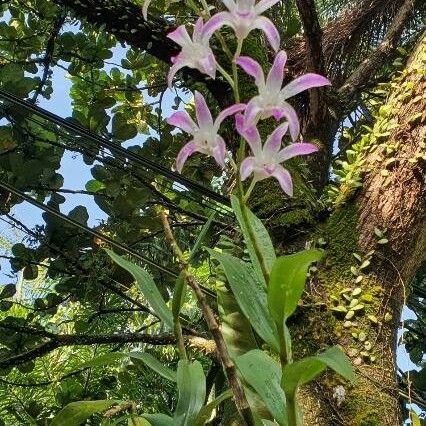
Plant Overview
Known as the "Autumn Laelia" or the "Flower of the Dead" in its native Mexico, this striking orchid is a high-altitude beauty that thrives where others might shiver. It brings a burst of crystalline magenta or lavender to the landscape just as the days begin to shorten and the air turns crisp. Its spicy-sweet fragrance, often compared to licorice or clover, is a prized reward for any indoor gardener.
🔍 How to Identify
- 🌸 The Bloom: Produces large, star-shaped flowers (up to 4 inches across) that range from pale rose to deep violet, usually featuring a contrasting white and yellow throat.
- 🍃 The Foliage: Two to three stiff, leathery, strap-shaped leaves emerge from the top of the bulbs, designed to withstand the intense sun of the Mexican highlands.
- 🥔 The Pseudobulbs: Features sturdy, pear-shaped green bulbs that act as water reservoirs; these may become slightly wrinkled during the plant's natural dormant cycle.
🏡 In Your Garden
- ☀️ Light & Air: This orchid is a sun-lover; it craves bright, filtered light—almost enough to tan the leaves slightly purple—and requires excellent air circulation to mimic its breezy mountain home.
- 💤 The Winter Rest: Critical to its survival is a "dry rest" period. After the autumn flowers fade, the plant needs very little water until new growth appears in the spring, or the roots may rot.
- 🏔️ Temperature Nuance: It is remarkably cold-hardy for an orchid, capable of enduring near-freezing temperatures if kept dry, making it a perfect candidate for cool sunrooms or temperate outdoor patios.
⚠️ Safety & Toxicity
- 🐾 Pet Friendly: Like most members of the Orchidaceae family, Laelia autumnalis is considered non-toxic to cats, dogs, and horses.
- 👶 Human Safety: Safe for curious children, though it is always best to keep plants out of reach to avoid accidental choking or damage to the delicate blooms.
✨ Fun Fact
In its native regions, these flowers are traditionally harvested to decorate graves and altars for Día de los Muertos (Day of the Dead), which perfectly coincides with its peak blooming season in early November.

Detailed Care Instructions
To grow a Laelia Autumnalis plant, follow these steps:
- Choose the right location: Laelia Autumnalis plants thrive in bright, indirect light. Find a spot with bright but filtered sunlight, such as near an east-facing window or shaded patio area.
- Temperature: These plants prefer warm temperatures of around 65-80°F (18-27°C) during the day and slightly cooler temperatures at night. Avoid extreme temperature fluctuations.
- Watering: Laelia Autumnalis plants require regular watering. Keep the potting medium slightly moist at all times, but take care not to overwater. Allow the top layer of soil to dry out between waterings.
- Humidity: Laelia Autumnalis plants prefer high humidity levels. You can increase humidity around the plant by placing a tray of water near it or regularly misting the leaves with water.
- Potting mix: Use an orchid-specific potting mix that is well-draining yet retains some moisture. Avoid regular potting soil, as it may not provide adequate drainage.
- Fertilizer: Laelia Autumnalis plants have minimal nutritional needs. Use a balanced orchid fertilizer diluted to half strength during the growing season (spring and summer) to promote healthy growth. Avoid fertilizing during the winter months.
- Repotting: Repot the Laelia Autumnalis plant every 1-2 years, preferably after blooming, as they like a tight fit in their pots. Use fresh orchid potting mix and a slightly larger pot to accommodate the growing roots.
- Air circulation: Good air circulation is important for Laelia Autumnalis plants. Ensure proper ventilation around the plant by keeping it away from drafts or closed spaces.
- Pruning: Remove any dead or damaged leaves and flowers. Trim back any overgrown or leggy stems to maintain the plant's shape and encourage new growth.
- Blooming: Laelia Autumnalis plants typically produce vibrant and fragrant flowers during the autumn season. Enjoy the blooms and provide proper care to encourage future flowering.
Remember, growing orchids can be a bit challenging, so be patient and adjust your care routine to meet the specific needs of your Laelia Autumnalis plant.

Place in a window with dappled sun or a spot in the middle of a room. Or directly in a window facing west or east.

Laelia Autumnalis is a type of orchid plant that requires careful attention to watering to thrive. It is important to give it the right amount of water to prevent overwatering or underwatering, both of which can harm the plant.
To water Laelia Autumnalis, you should start by checking the soil for moisture levels. Use your finger to dig about an inch into the soil to see if it feels dry or moist. If it is dry, then it is time to water the plant.
You should water Laelia Autumnalis deeply, allowing the water to soak through the soil and into the roots. Be sure to water at the base of the plant rather than from above to prevent water from getting trapped on top of the leaves or causing damage to the flowers.
It is important to use room temperature or tepid water to prevent shocking the plant. You can use a watering can or a hose attachment with a gentle spray setting to water your Laelia Autumnalis.
After watering, be sure to let the soil drain thoroughly to avoid waterlogging the roots. You can use a saucer or tray underneath the pot to catch any excess water and prevent it from pooling around the roots.
During periods of growth, Laelia Autumnalis may require more frequent watering, while during dormancy, less water is needed. Be sure to monitor the soil moisture levels regularly and adjust your watering schedule accordingly.
To fertilize your Laelia Autumnalis plant, it is recommended to use a balanced water-soluble fertilizer specially formulated for epiphytic orchids. Dilute the fertilizer according to the manufacturer's instructions, usually at a rate of one-quarter to one-half strength. Apply the diluted fertilizer to the plant's roots once a month during the growing season, which typically spans from spring to early fall. Avoid over-fertilizing, as it can cause damage to the plant. Additionally, it is advisable to flush the pot with water periodically to remove any accumulated salts from the previous fertilization.
Laelia Autumnalis plant thrives in a well-drained soil that is rich in organic matter. A good soil mix for this plant should be loose and airy, allowing for good water drainage while still retaining some moisture. The soil pH should be slightly acidic (around 6.0) to provide the ideal growing conditions for this plant. A mixture of potting soil, peat moss, perlite, and orchid bark is a good option for planting this species. The blend of these components provides the plant with the necessary nutrients, drainage, and air flow needed to ensure healthy growth and development. It is essential to avoid overwatering the soil as it can lead to root rot and other problems. Overall, providing the right soil mix is crucial in ensuring the optimal health of the Laelia Autumnalis plant.
To propagate Laelia Autumnalis plants, you can follow these steps:
- Choose a healthy parent plant: Select a mature Laelia Autumnalis plant that is free from diseases and abnormalities. This will ensure that the propagated plants have a better chance of survival.
- Prepare necessary materials: Gather a sharp, sterilized knife or pruning shears, a clean cutting board or surface, rooting hormone (optional), fresh potting mix, and small pots or containers.
- Select suitable stems: Identify suitable stems that are semi-hardwood, neither too young nor too old. These stems should be about 4-6 inches long, have several nodes (areas where leaves emerge), and be free from any damage or diseases.
- Cut the stems: Using the sterile knife or pruning shears, make a clean cut just below a node on the selected stem. This cutting should be done at a 45-degree angle to maximize the surface area for rooting.
- Remove lower leaves: Strip off the lower leaves on the stem, leaving only 2-3 pairs of leaves near the top. This reduces moisture loss and redirects the plant's energy towards root development.
- Optional: Dip in rooting hormone: If desired, dip the cut end of the stem in rooting hormone powder or gel. This substance contains growth hormones that stimulate root growth and can increase the success rate of propagation.
- Prepare the potting mix: Fill small pots or containers with a well-draining potting mix suitable for orchids. Orchid-specific mixes are ideal as they provide good aeration while retaining moisture.
- Insert the stem cutting: Create a hole in the potting mix using your finger or a pencil and gently insert the prepared stem cutting into the hole. Ensure that the planting depth is appropriate, allowing the remaining leaves to remain above the soil.
- Water and provide care: Lightly water the newly planted cutting to settle the soil and provide moisture. Place the pot in a warm, bright location with indirect sunlight, avoiding direct exposure to harsh sunlight. Mist the leaves occasionally to maintain humidity around the cutting.
- Monitor and wait for roots to develop: Keep a close eye on the cutting and provide necessary care, including regular but light watering to keep the potting mix moist. Overwatering can lead to rotting, so ensure proper drainage. Within a few weeks to a few months, new root growth should be visible.
- Transplant to a larger container: Once the propagated cutting has developed a sufficient root system, carefully transplant it into a larger container with suitable orchid potting mix. This will provide more space for growth and allow the plant to mature.
By following these steps, you should have success propagating Laelia Autumnalis plants and expanding your collection.








