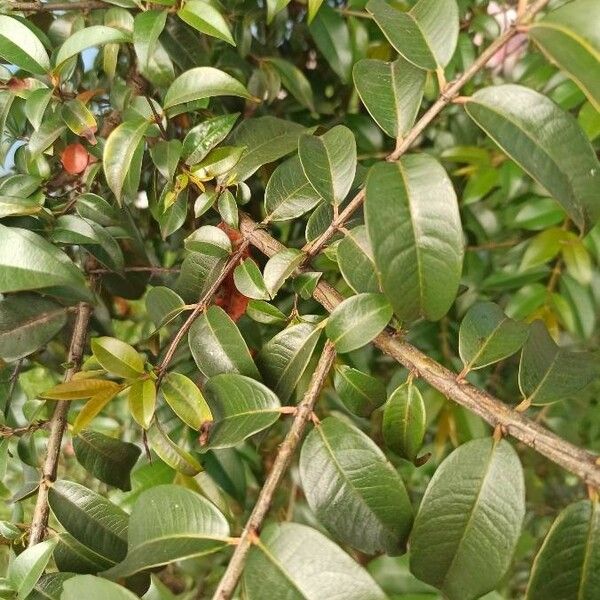
Plant Overview
Widely celebrated as the "Guayacán de Manizales," Lafoensia acuminata is a tropical jewel native to the lush valleys of the Andes and Central America. This elegant, medium-sized tree is beloved for its symmetrical crown and its spectacular display of cream-white flowers that look like delicate explosions of thread. In its native Colombia, it is more than just a plant; it is a symbol of regional pride and urban beauty.
🔍 How to Identify
- 🍃 Pointed Foliage: The leaves are smooth, glossy, and grow in opposite pairs. Their most striking feature is the "acuminate" tip—a long, elegant point that helps rain drip off efficiently during tropical downpours.
- 🌸 Whisker-like Blooms: The flowers are truly unique, featuring a cup-shaped base from which long, protruding stamens emerge, giving them a "fuzzy" or "whisker-like" appearance.
- 🪵 Woody Star Capsules: After blooming, the tree produces hard, woody fruits. When these dry and split open to release winged seeds, they resemble small, carved wooden stars.
🏡 In Your Garden
- 🏙️ Urban Warrior: This species is exceptionally resistant to air pollution, which is why it is frequently used to beautify city boulevards and parkways where other trees might struggle.
- ☀️ Sun Seeker: While it can tolerate partial shade, it needs full sun to produce its signature abundance of flowers. It prefers well-draining soil; sitting in stagnant water can quickly lead to root distress.
- 🦋 Pollinator Magnet: The nectar-rich flowers are a primary landing pad for hummingbirds and large bees, making it a "must-have" for anyone looking to support local biodiversity.
⚠️ Safety & Toxicity
- ✅ Safe Status: Lafoensia acuminata is generally considered non-toxic to humans and common household pets.
- 🌱 Gentle Nature: Unlike some tropical trees, it does not have irritating sap or thorns. However, as with any ornamental plant, it is best to discourage curious toddlers or pets from chewing on the woody seed pods, which could pose a choking hazard.
✨ Fun Fact
The specific epithet acuminata comes from the Latin word for "sharpened," referring to the needle-like tips of its leaves. These "drip tips" are a clever evolutionary adaptation that prevents mold and moss from growing on the leaves by shedding water instantly!

Detailed Care Instructions
Growing Lafoensia acuminata, commonly known as "Mangabim" or "Mangava Brava," involves several important steps to ensure the plant thrives. Here's a comprehensive guide to help you grow this beautiful flowering tree:
1. Climate and Location
Lafoensia acuminata is native to South America, particularly Brazil, and it thrives in tropical to subtropical climates. It prefers:
- Temperature: Warm temperatures, ideally between 20-30°C (68-86°F).
- Sunlight: Full sun to partial shade.
- Water: Moderate to high humidity levels. The plant requires consistent watering, but it should not be waterlogged.
2. Soil Requirements
- Type: Well-draining soil is crucial. The plant prefers loamy or sandy soils.
- pH: Slightly acidic to neutral (pH 6.0-7.0).
- Fertility: Enrich the soil with organic matter to provide essential nutrients.
3. Planting
- Seeds: If you are planting from seeds, soak them in water for 24 hours before sowing to enhance germination. Start seeds indoors in a seed-starting mix, and then transplant them outdoors once they are sturdy enough and the weather is warm.
- Transplanting: If using saplings, dig a hole twice the size of the root ball. Place the plant in the hole, fill with soil, and water thoroughly.
4. Watering
- Frequency: Water regularly, especially during the first year to establish a strong root system. Reduce the frequency during the rainy season and ensure the soil is moist but not waterlogged.
- Method: Deep watering is preferred. Use a drip irrigation system if possible.
5. Fertilization
- Type: Use a balanced, slow-release fertilizer with a composition like 10-10-10 (nitrogen-phosphorus-potassium) during the growing season.
- Frequency: Fertilize once in early spring and possibly again in mid-summer for optimal growth.
6. Pruning
- Timing: Prune in late winter or early spring before new growth starts.
- Method: Remove dead or diseased branches, and shape the tree to maintain its structure.
7. Pest and Disease Management
- Common Pests: Watch for aphids, scale insects, and caterpillars.
- Diseases: Root rot can be an issue if the soil is not well-drained. Ensure good air circulation and avoid overhead watering to reduce fungal diseases.
8. General Care
- Mulching: Apply mulch around the base of the tree to retain moisture, regulate soil temperature, and reduce weeds, keeping it few inches away from the trunk.
- Weeding: Keep the area around the plant free from weeds to avoid competition for nutrients and water.
9. Propagation
Lafoensia acuminata can be propagated from seeds or cuttings.
- Seeds: Collect seeds from mature pods, soak, and plant as described.
- Cuttings: Take softwood cuttings in late spring or early summer, treat with rooting hormone, and plant in a well-drained growing medium.
By following these steps, you can successfully grow Lafoensia acuminata and enjoy its attractive flowers and foliage.

Place in a bright room that is sun drenched almost all day. Or directly in a south-facing window.

Watering Lafoensia acuminata, like any plant, requires attention to its specific needs and environmental conditions. Here are detailed steps on how to water this plant effectively:
1. Watering Frequency:
- Young Plants: For newly planted or young specimens, maintain consistently moist soil without letting it become waterlogged. Check the topsoil daily and water when it feels dry to the touch.
- Established Plants: Once established, this plant can be a bit more drought-tolerant. Water it thoroughly but less frequently, usually once a week. However, adjust based on seasonal variations and local climate.
2. Water Quality:
- Use clean, preferably lukewarm water. Rainwater or distilled water is ideal if your tap water is heavily chlorinated or contains high levels of salts.
3. Soil Type and Drainage:
- Ensure that the plant is in well-draining soil. Poor drainage can lead to root rot. Loamy soil mixed with sand or organic matter can enhance drainage properties.
- To test drainage, water the plant and observe if the excess water quickly seeps through the soil and drains out through the bottom holes of the pot or from the surrounding plant bed.
4. Watering Technique:
- Water the base of the plant rather than from above to avoid wetting the leaves, which can lead to fungal diseases.
- Use a soaker hose or drip irrigation system for outdoor plants to provide a slow and steady supply of water directly to the root zone.
5. Seasonal Adjustments:
- Spring and Summer: During the growing months, the plant will need more water due to increased growth and potentially higher temperatures.
- Fall and Winter: Reduce watering as the plant’s growth slows. Water just enough to keep the soil from completely drying out.
6. Container Plants:
- If grown in a container, check drainage holes to ensure they are not blocked.
- Containers can dry out faster than ground soil, so you might need to water more frequently. Always check the moisture level of the soil an inch or two below the surface.
7. Mulching:
- Applying a layer of mulch around the base of the plant can help retain soil moisture, reduce temperature fluctuations, and minimize the frequency of watering, especially in dry climates.
8. Tip for Hot Climates:
- In very hot climates, consider watering early in the morning or late in the evening to reduce evaporation and allow the water to reach the root system more effectively.
9. Monitoring:
- Regularly observe the plant for signs of over- or under-watering. Yellowing leaves may indicate over-watering or poor drainage, while wilting and dry soil suggest under-watering.
By following these guidelines and paying close attention to the plant’s needs, you can ensure proper watering and promote its healthy growth.
Sure, I'd be happy to help you with fertilizing instructions for Lafoensia acuminata.
- Choosing the Fertilizer: Use a balanced, slow-release fertilizer with an equal ratio of nitrogen (N), phosphorus (P), and potassium (K). A 10-10-10 or 14-14-14 formulation works well.
- Frequency: Fertilize the plant during its growing season, which is typically in the spring and summer months. Avoid fertilizing during the fall and winter when the plant is dormant.
- Application Amount: Follow the dosage instructions on the fertilizer package. Generally, for young trees, you might apply about half a cup of granular fertilizer around the base of the plant, increasing the amount as the tree matures.
- Application Method:
- Granular Fertilizer: Evenly spread the granular fertilizer around the base of the plant, avoiding direct contact with the trunk. Ensure the fertilizer is spread out to the drip line of the plant (where the foliage ends).
- Liquid Fertilizer: If using a liquid form, dilute it as per the manufacturer's instructions and apply it to the soil around the base of the plant or directly onto the foliage if the product is suitable for foliar feeding.
- Granular Fertilizer: Evenly spread the granular fertilizer around the base of the plant, avoiding direct contact with the trunk. Ensure the fertilizer is spread out to the drip line of the plant (where the foliage ends).
- Watering: After applying granular fertilizer, water the plant thoroughly to help the fertilizer penetrate the soil and reach the roots. For liquid fertilizer, ensure the soil is moist before application to avoid root burn and allow for better nutrient absorption.
- Soil Testing: Regularly test your soil to check for nutrient deficiencies and pH levels. Maintaining a slightly acidic to neutral pH (around 6.0 to 7.0) is ideal for Lafoensia acuminata.
- Organic Options: Consider using organic fertilizers like compost, well-rotted manure, or fish emulsion for a more sustainable approach. These can be applied in the same manner but tend to release nutrients more slowly.
Remember, over-fertilizing can harm your plant, so it's better to err on the side of caution and apply less than more if you're uncertain. Regular monitoring of your plant's growth and health will help you adjust your fertilizing routine as needed.
Lafoensia acuminata thrives best in well-draining soil with a relatively neutral pH, ranging from slightly acidic to slightly alkaline (approximately pH 6.0 to 7.5). The ideal soil type is often a mix that incorporates loamy or sandy components, ensuring good aeration and drainage to prevent waterlogging. This plant benefits from soil that has a good nutrient profile, so incorporating organic matter like compost or well-decomposed manure can be beneficial to enhance soil fertility and structure. It's important to ensure the soil retains some moisture but also drains efficiently to avoid root rot or other moisture-related issues. Regular monitoring and occasional soil amendments can help maintain the ideal conditions for optimal growth.
Here's a detailed guide on how to propagate Lafoensia acuminata:
Propagation by Seeds
- Seed Collection:
- Obtain seeds from mature, ripe fruits.
- Allow the seeds to dry in a cool, shaded area after collecting. This helps prevent fungal infections and promotes better germination.
- Obtain seeds from mature, ripe fruits.
- Seed Preparation:
- Soak the seeds in water for 24 hours to weaken their seed coat. This can improve germination rates.
- Some gardeners prefer scarification, which involves lightly scratching or nicking the hard seed coat to facilitate water absorption.
- Soak the seeds in water for 24 hours to weaken their seed coat. This can improve germination rates.
- Soil Preparation:
- Use a well-draining soil mix. A mixture of sand and potting soil works well.
- Ensure the pot or seed tray has good drainage holes to prevent waterlogging.
- Use a well-draining soil mix. A mixture of sand and potting soil works well.
- Planting Seeds:
- Sow the seeds about 0.5 to 1 inch deep into the soil.
- Space the seeds around 2 inches apart if you are using a seed tray.
- Sow the seeds about 0.5 to 1 inch deep into the soil.
- Watering and Light:
- Keep the soil consistently moist but not waterlogged.
- Place the seed tray or pot in a warm, brightly lit area but avoid direct sunlight to prevent overheating.
- Keep the soil consistently moist but not waterlogged.
- Seedling Care:
- Once seedlings emerge, continue to keep the soil moist.
- When seedlings have grown enough to handle, typically when they have at least two sets of true leaves, transplant them into individual pots or directly into the garden.
Propagation by Cuttings
- Once seedlings emerge, continue to keep the soil moist.
- Selection of Cuttings:
- Choose healthy, semi-hardwood cuttings from an existing plant. These are typically taken during the growing season.
- Cuttings should be about 4-6 inches long and have at least a few leaves.
- Choose healthy, semi-hardwood cuttings from an existing plant. These are typically taken during the growing season.
- Preparing Cuttings:
- Remove the lower leaves from the cutting, leaving only the top 2-3 leaves.
- Dip the cut end in rooting hormone to increase the chances of successful rooting.
- Remove the lower leaves from the cutting, leaving only the top 2-3 leaves.
- Soil Preparation:
- Use a well-draining soil mix such as a combination of sand, perlite, and peat moss.
- Fill pots or trays with this mix and water lightly to moisten the soil.
- Use a well-draining soil mix such as a combination of sand, perlite, and peat moss.
- Planting Cuttings:
- Insert the cuttings into the prepared soil mix, burying them about halfway up the stem.
- Firm the soil around the cuttings to ensure good soil contact.
- Insert the cuttings into the prepared soil mix, burying them about halfway up the stem.
- Creating a Humid Environment:
- To encourage rooting, cover the pots or trays with a plastic bag or a clear plastic dome to create a mini-greenhouse effect. This helps maintain high humidity levels.
- Ensure there is good air circulation to prevent mold and mildew.
- To encourage rooting, cover the pots or trays with a plastic bag or a clear plastic dome to create a mini-greenhouse effect. This helps maintain high humidity levels.
- Light and Watering:
- Place the cuttings in a warm, bright location avoiding direct sunlight.
- Keep the soil moist but not waterlogged.
- Place the cuttings in a warm, bright location avoiding direct sunlight.
- Rooting and Transplanting:
- Rooting can take several weeks. Gently tug on the cuttings; if you feel resistance, roots have likely developed.
- Once roots are established, gradually acclimate the new plants to lower humidity conditions before transplanting them into larger pots or the garden.
By following these steps, you can successfully propagate Lafoensia acuminata through either seed or cuttings.
- Rooting can take several weeks. Gently tug on the cuttings; if you feel resistance, roots have likely developed.








