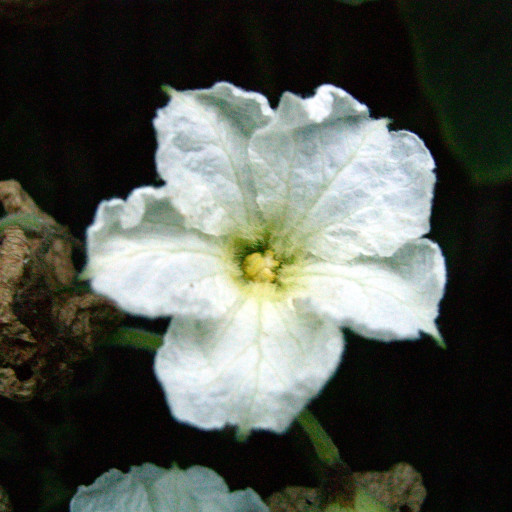
Plant Overview
Known as the "Bottle Gourd" or "Calabash," this ancient voyager is one of the world’s oldest cultivated plants. While many gourds are grown for food, this species became a global icon for its ability to transform into waterproof containers, musical instruments, and even floating buoys. It is a vigorous, fast-growing vine that adds a sense of prehistoric wonder to any garden or trellis.
🔍 How to Identify
- 🌿 Velvety Foliage: Large, heart-shaped leaves that are soft to the touch and emit a distinct, musky scent when bruised.
- 🤍 Moonlit Blooms: Unlike most squash and gourds that have yellow flowers, this plant produces crinkled, snowy-white blossoms that open at night.
- 🍐 Variable Fruit: The gourds come in a wild array of shapes—from long serpents and round globes to the classic "dumbbell" bottle shape with a distinct neck.
🏡 In Your Garden
- 🏗️ Support Systems: Because these vines can grow over 15 feet long and the fruits become heavy, they require a very sturdy trellis or fence. Growing them vertically ensures the gourds grow straight and stay free of ground-dwelling pests.
- 🦋 Nocturnal Pollinators: Since the flowers bloom at dusk, they are primarily pollinated by moths. If you live in an area with low moth activity, you may need to play "matchmaker" by hand-pollinating the flowers with a small brush in the evening.
⚠️ Safety & Toxicity
- 🟢 The Bitter Test: While young, tender gourds are edible and popular in many cuisines, you must never eat a gourd that tastes bitter. High levels of cucurbitacins can cause "Toxic Squash Syndrome," leading to severe stomach cramps and illness.
- 🐾 Pet Safety: The plant itself is generally non-toxic to cats and dogs, but the tough, fibrous vines and dried shells can become a choking hazard or cause intestinal blockages if chewed.
✨ Fun Fact
The Bottle Gourd is a literal "living fossil" of human history; archaeologists have found dried remnants of these gourds in Peruvian sites dating back over 10,000 years, suggesting they may have floated across the Atlantic Ocean from Africa to the Americas on their own!

Detailed Care Instructions
To grow Lagenaria Siceraria, also known as bottle gourd or calabash gourd, follow these steps:
- Choose a suitable growing location: The plant requires full sunlight, so pick a spot in your garden that receives at least 6-8 hours of direct sunlight daily. Ensure the soil is well-draining and rich in organic matter.
- Start seeds indoors or sow them directly: You can start the seeds indoors about 3-4 weeks before the last frost date in your area. Use seed-starting trays or pots filled with a well-draining potting mix. Plant the seeds 1 inch deep and keep the soil moist. Alternatively, you can sow the seeds directly into the ground once all risks of frost have passed.
- Transplant seedlings (if applicable): If you started the seeds indoors, transplant the seedlings into the garden when they have developed at least 2-3 true leaves and all threats of frost have ended. Space the seedlings about 3-4 feet apart, as they need room to sprawl and spread.
- Provide support (optional): While bottle gourds are generally grown on the ground, you can provide a trellis or other support if you want them to climb. This can help save space and enhance air circulation, reducing the risk of diseases.
- Watering and fertilizing: Keep the soil consistently moist but not waterlogged. Water thoroughly when the top inch of soil feels dry. Avoid overwatering, as it can cause root rot. Apply a balanced fertilizer every 2-3 weeks, following the instructions on the fertilizer package.
- Mulching: Apply a layer of organic mulch around the plants to help retain soil moisture, suppress weed growth, and regulate soil temperature.
- Pruning and training (if applicable): If you choose to grow the plants on a trellis, you may need to train the vines to climb. Additionally, pruning can help control the growth of the plant by removing excessive foliage and promoting air circulation.
- Pest and disease management: Watch out for common garden pests like aphids and squash bugs. Regularly inspect the plants for signs of pests or diseases and take appropriate action if necessary, such as using organic pesticides or removing affected plant parts.
- Harvesting: The gourds are ready to harvest when they reach 6-8 inches in diameter. Cut them from the vine, leaving a short stem attached. Do not wait for them to fully mature, as they become tough and inedible.
By following these steps, you can successfully grow Lagenaria Siceraria plants and enjoy their unique bottle-shaped fruits.

Place in a bright room that is sun drenched almost all day. Or directly in a south-facing window.

To water this plant, you should ensure that the soil is consistently moist but not waterlogged. Water deeply once a week or more frequently during periods of drought or high temperatures. Avoid watering the leaves and stem to prevent the risk of developing fungal diseases. It is recommended to water the plant at the base of the stem and to make sure the water reaches the roots. Check the soil regularly and adjust the watering schedule accordingly, depending on the moisture level. The plant may require more water during the growing season and less during dormancy.
To fertilize this plant, begin by preparing the soil. This can involve adding compost, aged manure, or a balanced granular fertilizer to the soil before planting. Once the plant is established, you can use a liquid fertilizer every two weeks during the growing season. Follow the instructions on the fertilizer package, and make sure to water the plant thoroughly before and after applying the fertilizer. Be careful not to over-fertilize, as this can lead to burned leaves or stunted growth.
Lagenaria Siceraria plants thrive in soil with good drainage and fertility. It is recommended to use soil that is rich in organic matter and can retain moisture, but does not become waterlogged. The pH level of the soil should be between 6.0 to 7.5 for optimal growth. A mixture of sandy loam soil with compost and aged manure will provide the ideal growing conditions for Lagenaria Siceraria plants. It is also important to ensure that the soil is weed-free and well-aerated to prevent the plants from becoming stunted or diseased.
There are several ways to propagate this plant. One method is to collect the mature seeds from the fruit and plant them directly in the soil during the appropriate growing season. The seeds should be planted at a depth of about 1 inch and kept well-watered until they germinate.
Another method is to take cuttings from the parent plant. Select a healthy stem and make a clean cut using a sharp knife or scissors. Remove the lower leaves and any flowers or fruit from the stem, leaving only a few leaves at the top. Dip the cut end of the stem in rooting hormone and plant it in a container filled with a well-draining soil mix. Keep the soil moist and in a warm, shaded area until the cutting roots and begins to show new growth.
Layering is another technique that can be used to propagate this plant. Select a healthy stem and make a shallow cut on the underside of the stem. Apply rooting hormone to the cut area and wrap it with moist sphagnum moss or a similar material. Cover the moss with plastic wrap to keep it moist and leave it in place until roots begin to form. Once the stem has developed a good root system, it can be cut from the parent plant and transplanted into a larger container or the garden.
Common pests of the bottle gourd include Spider mites, thrips, whiteflies. Make a habit of checking your bottle gourd frequently for pests so that any infestations can be caught and managed early.








