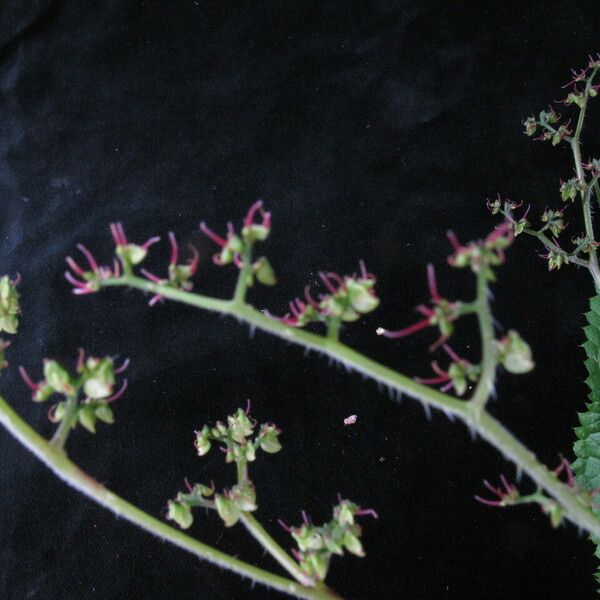
Plant Overview
Often called the Bulbil-bearing Nettle, Laportea bulbifera is a master of disguise in the forest undergrowth. While it might look like a harmless leafy green at first glance, it is armed with a sophisticated defense system of "stinging needles." Indigenous to the moist forests of East Asia, it has earned a reputation both as a painful encounter for hikers and a seasonal delicacy for mountain foragers who know how to tame its bite.
🔍 How to Identify
- 🌿 The "Axil" Clones: Look closely where the leaf meets the stem; you will find small, green, pea-like spheres called bulbils. These are essentially "mini-clones" that fall off to grow new plants.
- 🍃 Alternate serrated Leaves: Unlike the common Stinging Nettle (Urtica) which has leaves in pairs, Laportea leaves grow one at a time along the stem in an alternate pattern.
- 🪡 Silica Syringes: The stems and leaf undersides are covered in fine, translucent hairs. These are actually hollow tubes made of silica that act like hypodermic needles when touched.
🌲 Habitat & Ecology
- 💧 Moisture Seekers: This plant is rarely found in dry spots. It thrives in the "Goldilocks zone" of the forest—damp, nutrient-rich soil near stream banks or under the heavy shade of deciduous trees.
- 🧬 Dual Reproduction: It is a survival specialist. While it produces flowers for genetic diversity, it primarily uses its bulbils (the "bulbifera" in its name) to colonize large areas of the forest floor quickly without needing a pollinator.
⚠️ Safety & Toxicity
- 🧤 Status: Potent Irritant. The stinging hairs contain a cocktail of formic acid and histamines. Touching the plant results in an immediate burning sensation, followed by itchy red welts that can last for several hours.
- 🐾 Pets & Kids: Keep curious pets and children away. While not "poisonous" in the sense of causing internal organ failure, the physical pain of the sting can be very distressing for animals and small children.
- 🧼 First Aid: If stung, avoid rubbing the area, as this breaks the silica needles further into the skin. Use sticky tape to pull the hairs out or apply a paste of baking soda and water to neutralize the acid.
✨ Fun Fact
In Japan, this plant is known as Miyama-irakusa and is a highly prized "Sansai" (mountain vegetable). Once the plant is boiled, the stinging hairs are completely destroyed, revealing a sweet, nutty flavor that is popular in tempura and miso soups!

Detailed Care Instructions
To grow Laportea bulbifera plant, also known as the Chinese nettle or false nettle, follow these steps:
- Choosing a suitable location: Laportea bulbifera thrives in partial shade to full shade. Select a spot in your garden or outdoor space that receives limited direct sunlight.
- Preparing the soil: The plant prefers well-draining soil with a slightly acidic to neutral pH level. Amend the soil with organic matter like compost or leaf mold to improve fertility and moisture retention.
- Propagation method: The most common method of growing Laportea bulbifera is through its bulbils or small adventitious buds that grow along its stems. Collect mature bulbils from existing plants or purchase them from a reputable source.
- Planting the bulbils: Gently press the bulbils into the soil, ensuring the bud is partially exposed and points upwards. Space them approximately 6 to 12 inches apart to allow room for growth. Lightly water the area after planting to settle the soil.
- Watering: Laportea bulbifera requires regular watering to keep the soil consistently moist. Avoid overwatering, which can lead to root rot. Monitor the soil's moisture levels and adjust your watering schedule accordingly.
- Mulching: Apply a layer of organic mulch, such as shredded bark or straw, around the base of the plants to suppress weed growth, retain moisture, and regulate soil temperature.
- Fertilization: While Laportea bulbifera can grow in nutrient-poor soils, fertilizing once or twice a year with a balanced organic fertilizer can promote healthier growth. Follow the manufacturer's instructions for application rates.
- Maintenance: Monitor the plants for pests and diseases, especially aphids, caterpillars, or fungal infections. Remove any affected leaves or sections, and consider using organic pest control methods if necessary.
- Propagation through division: As the plants grow and form clumps, you can divide them every few years to create new plants. Dig up the clump, separate the root sections, and replant them in new locations following the same steps mentioned above.
- Winter care: Laportea bulbifera is hardy in USDA zones 7-10. In colder regions, protect the plant's roots with a thick layer of mulch to insulate them from freezing temperatures.
Remember to check if the cultivation of Laportea bulbifera is legal and permitted in your area, especially if it is considered an invasive species in your region.

Place in a bright room that is sun drenched almost all day. Or directly in a south-facing window.

To adequately water the Laportea Bulbifera plant, there are a few key factors to consider:
1. Moisture requirements: The Laportea Bulbifera plant prefers consistently moist soil for optimal growth. However, it is important to avoid overwatering as this can lead to root rot or other issues. The goal is to provide moist soil without allowing it to become waterlogged.
2. Soil type: Before watering, it is crucial to ensure that the plant is potted in well-draining soil. A mixture of peat moss, perlite, and vermiculite is commonly recommended to provide proper drainage and prevent excessive water retention.
3. Observation: Regularly observe the plant's leaves and soil to determine when watering is necessary. Wilting or dryness in the top inch of soil are signs that the plant needs watering.
4. Watering frequency: Watering frequency depends on various factors such as temperature, humidity, and pot size. As a general guideline, water the Laportea Bulbifera plant when the top inch of soil feels slightly dry. This usually translates to once or twice a week, but can vary.
5. Watering method: To avoid causing damage to the plant, it is advisable to use a gentle watering method. A watering can with a narrow spout or a spray bottle can be effective for providing the plant with a controlled amount of water without disturbing the roots.
6. Amount of water: When watering, aim to thoroughly moisten the soil until water begins to flow out from the drainage holes in the pot. This ensures that the water reaches the roots and promotes healthy growth. However, it is important to avoid leaving the plant sitting in standing water.
7. Environmental considerations: The Laportea Bulbifera plant appreciates a humid environment. To increase humidity levels around the plant, misting the leaves or placing a tray of water nearby can be beneficial.
Remember, each plant's watering needs may vary depending on its specific conditions, so it is crucial to monitor the plant closely and adjust your watering routine accordingly.
To fertilize the Laportea Bulbifera plant, follow these instructions:
- Choose a well-balanced fertilizer with equal proportions of nitrogen, phosphorous, and potassium. Look for a slow-release or organic fertilizer specifically formulated for leafy plants.
- Dilute the fertilizer according to the manufacturer's instructions. Generally, a 1:2 ratio of fertilizer to water works well for most plants.
- Water the plant thoroughly before applying fertilizer. This ensures that the roots are well-hydrated and ready to absorb nutrients.
- Apply the diluted fertilizer evenly around the base of the plant, avoiding direct contact with the stem or foliage. Use a watering can or sprayer to distribute the solution gently.
- Ensure that the fertilizer is absorbed properly by watering the plant again after application. This helps to prevent any potential burning or damage to the roots.
- Repeat the fertilization process every four to six weeks during the growing season, which typically spans from spring to fall.
- Monitor the plant's response to the fertilizer. If you notice excessive foliage growth but limited flowering or fruiting, reduce the fertilizer concentration slightly. Conversely, if the plant appears stunted or lacking vigor, slightly increase the fertilizer strength.
Remember, proper fertilization is just one aspect of plant care. Regular watering, adequate sunlight, and appropriate pruning are also essential for a healthy and thriving Laportea Bulbifera plant.
When selecting soil for Laportea bulbifera, it is important to consider the natural habitat and growing conditions of this plant. Laportea bulbifera typically prefers a well-draining soil with a slightly acidic to neutral pH. The ideal soil composition should retain some moisture but also allow excess water to drain freely, preventing waterlogged conditions that can lead to root rot.
A suitable soil type for Laportea bulbifera is a sandy loam or loamy soil, which provides good drainage while also retaining enough moisture for the plant's needs. This type of soil allows for adequate water penetration and promotes healthy root development. It is also beneficial to incorporate organic matter, such as compost or well-rotted manure, into the soil before planting. This improves the soil structure, enhances water-holding capacity, and enriches the soil with essential nutrients.
In terms of texture, a slightly sandy or loamy soil with a light, well-aerated structure is advantageous for Laportea bulbifera. This allows the plant roots to penetrate easily, access necessary oxygen, and facilitate nutrient uptake.
Additionally, it is crucial to ensure that there is no standing water around the roots of the Laportea bulbifera plant, as excessive moisture can lead to root diseases and hamper overall plant health. Therefore, choosing a soil mixture that promotes good drainage is highly recommended.
In summary, when selecting soil for Laportea bulbifera, choose a well-draining soil with a slightly acidic to neutral pH, incorporating organic matter to improve soil structure and nutrient content. Aim for a sandy loam or loamy soil texture that allows for proper water penetration and root development.
To propagate Laportea bulbifera plants, you can follow the steps below:
- Prepare a suitable potting mix: Create a well-draining potting mix by combining equal parts of peat moss, perlite, and sand. This will provide the ideal growing conditions for the plant.
- Select a healthy parent plant: Identify a mature and healthy Laportea bulbifera plant from which you can take cuttings. Look for a plant that has sturdy stems and vibrant green leaves.
- Take stem cuttings: Using a sharp, sterile knife or pruning shears, cut a healthy stem from the parent plant. The cutting should be around 4-6 inches long and include several nodes (where leaves emerge). Make sure to make a clean cut to avoid damaging the plant.
- Remove lower leaves: Trim off the leaves from the lower half of the stem cutting, leaving a few leaves at the top intact. This will reduce moisture loss and focus the plant's energy on root development.
- Apply rooting hormone (optional): If desired, you can dip the cut end of the stem into a rooting hormone powder or gel. This can enhance root development and increase the chances of successful propagation.
- Plant the stem cutting: Fill a small pot with the potting mix and create a hole in the center using your finger or a pencil. Insert the stem cutting into the hole, ensuring that at least one node is buried in the soil. Firmly press the soil around the cutting to provide stability.
- Provide optimal growing conditions: Place the potted cutting in a warm and bright location, but away from direct sunlight. Keep the soil consistently moist but not waterlogged. Using a plastic bag or a propagation dome can create a humid environment that encourages rooting.
- Maintain moisture and monitor growth: Regularly check the soil moisture level and mist the cutting with water when it seems to be drying out. Monitor the plant's growth to ensure that it is developing roots and new shoots.
- Transplanting: Once the stem cutting has developed a healthy root system, you can transplant it into a larger pot or directly into the garden. Make sure to handle the plant gently to avoid damaging the roots.
- Care for the propagated plants: Provide the newly propagated plants with appropriate care, which includes regular watering, occasional fertilization, and protection from extreme weather conditions. Laportea bulbifera generally prefer a warm and humid environment.
By following these steps, you can successfully propagate Laportea bulbifera plants and enjoy their unique features and growth.








