Plant Overview
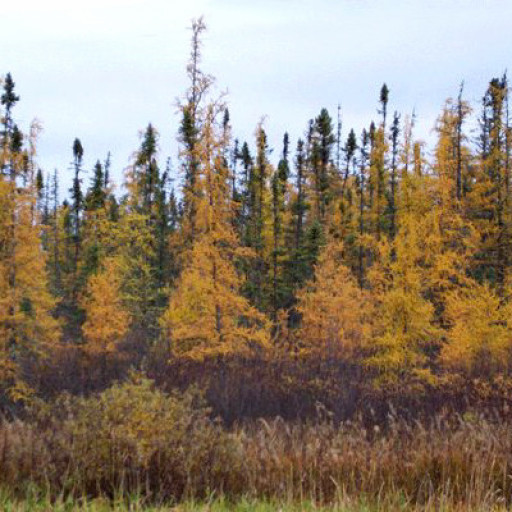
Often called the Tamarack or Hackmatack, Larix laricina is a beautiful botanical contradiction. While it looks like an evergreen pine, it is actually a deciduous conifer, meaning it sheds all its needles every autumn after a spectacular golden display. Native to the chilly northern reaches of North America, it is a symbol of resilience in the face of frozen bogs and swampy wetlands.
🔍 How to Identify
- 🌲 The Needles: Unlike true evergreens, these needles are soft to the touch and grow in brush-like clusters of 10 to 20 on short, knobby spurs along the branch.
- 🍂 Seasonal Color: In spring, the foliage is a delicate light green; in autumn, the entire tree turns a brilliant, glowing saffron yellow before the needles drop for winter.
- 🍎 Tiny Cones: It produces some of the smallest cones of any conifer, usually less than an inch long, sitting upright on the branches like tiny brown roses.
🏡 In Your Garden
- 💧 The "Wet Feet" Rule: Most trees hate soggy soil, but the Tamarack thrives in it. It is the perfect choice for "problem" areas of a landscape that stay wet or boggy, as its roots are adapted to low-oxygen environments.
- ☀️ Sun Seeker: This tree is "shade intolerant." It refuses to grow in the shadow of larger trees and needs full, unobstructed sunlight to maintain its pyramidal shape and vibrant color.
- ❄️ Cold Warrior: It is incredibly hardy, surviving temperatures far below zero. However, it struggles in hot, humid climates—think of it as a northern soul that needs a true winter to thrive.
⚠️ Safety & Toxicity
- ✅ Safe Status: The Tamarack is generally considered non-toxic to humans, dogs, cats, and horses.
- 🌲 Resin Warning: While not poisonous, the tree produces a sticky resin. Some people with very sensitive skin may experience mild contact dermatitis if they handle the sap or broken branches extensively.
✨ Fun Fact
The name "Tamarack" comes from an Algonquin word meaning "wood used for snowshoes." Because the wood is heavy, durable, and rot-resistant, it was historically used by Indigenous peoples to craft snowshoe frames and even the "knees" of wooden boats.

Detailed Care Instructions
| Soil Ph | Acidic |
| Invasive | Weed |
| Soil Type | Moist, Organic-Rich |
| Plant Type | Deciduous Conifer |
| Mature Size | 40 To 80 Ft. Tall, 15 To 30 Ft. Wide |
| Native Area | Northern North America |
| Sun Exposure | Full Sun |
| Hardiness Zones | 2-5 |
To grow Larix Laricina, commonly known as tamarack or American larch, you can follow these steps:
- Climate: Check if your climate is suitable for the plant. Larix Laricina thrives in cold climates, particularly in USDA hardiness zones 2-6.
- Location: Choose a suitable location for planting the tree. Larix Laricina prefers full sun to partial shade, so select a spot with good exposure to sunlight.
- Soil: Ensure that the soil is well-drained and slightly acidic. The plant prefers moist soil but can tolerate a range of soil types.
- Planting: Plant the tree in early spring or fall when the soil is workable. Dig a hole that is slightly larger and deeper than the root ball of the plant. Place the tree in the hole, making sure the top of the root ball is level with the surrounding soil. Fill the hole with soil, gently tamp it down, and water thoroughly.
- Watering: Keep the soil consistently moist, especially during the first year of growth. Water the tree deeply around once a week, but adjust the frequency depending on rainfall and soil moisture.
- Mulching: Spread a layer of mulch around the base of the tree, about 2-3 inches deep. This will help retain moisture, regulate temperature, and suppress weeds.
- Pruning: Minimal pruning is required for Larix Laricina. Remove any dead, damaged, or diseased branches as necessary. Pruning can be done during the dormant season in late fall or early spring.
- Fertilizing: Fertilization may not be necessary if the tree is planted in nutrient-rich soil. However, you can apply a slow-release balanced fertilizer in early spring to promote growth.
- Protection: Protect young Larix Laricina trees from wildlife, such as deer, by using fences, netting, or repellents. Additionally, protect the tree from extreme weather conditions, such as strong winds or heavy snow loads, by staking or providing support if needed.
- Maintenance: Regularly monitor the health of the tree and address any issues promptly. Remove weeds around the base of the tree and ensure proper drainage.
Remember, Larix Laricina is a slow-growing tree that requires patience and care. With proper attention, it can grow into a beautiful and resilient plant.

Place in a bright room that is sun drenched almost all day. Or directly in a south-facing window.

To water this particular species of plant, it is important to note that it requires regular watering throughout the growing season. This means that you will need to water it at least once a week, or more frequently during periods of hot and dry weather. When watering, it is best to thoroughly soak the soil around the roots and allow it to drain completely. This will ensure that the roots receive enough moisture without becoming waterlogged, which can lead to root rot. Additionally, it is recommended to avoid overhead watering, as this can increase the risk of fungal diseases. Instead, use a drip irrigation system or water the plant at soil level. Finally, be sure to monitor the plant regularly for signs of over or under watering, such as yellowing leaves or wilting. Adjust your watering schedule accordingly to keep the plant healthy and thriving.
To fertilize this plant, you should use a balanced fertilizer with equal amounts of nitrogen, phosphorus, and potassium. Apply the fertilizer in early spring before new growth appears and again in midsummer. Follow the instructions on the fertilizer packaging for the correct application rate. Avoid fertilizing in late summer or fall since this can stimulate new growth that may not have time to harden off before winter.
The ideal soil to use for the plant in question is deep, moist, and well-draining, with an acidic pH level. It should be rich in organic matter and nutrients, with good availability of nitrogen, phosphorus, and potassium. The soil should also be able to retain moisture, but not be waterlogged, as this can lead to root rot. Additionally, the plant prefers soils that have good aeration and are free of compaction.
Larix laricina is a type of plant that can be propagated through various methods such as softwood cuttings, seedling, and layering. Here is a detailed explanation of each method:
- Softwood cuttings: Take fresh green stem cuttings from the parent plant during early summer or late spring. Trim the lower leaves and dip the cut end into rooting hormone powder. Then, insert the cutting into a moist, well-drained soil mix and place it in a shaded spot. Keep the soil moist and within a few weeks, roots will develop, and a new plant will grow.
- Seedling: Collect fresh or ripened seeds from the parent plant in the fall. Clean and soak the seeds in warm water for 24 hours. Fill a container with sandy soil, moisten it, and sow the seeds at a depth of 1 to 1.5 cm. Cover the container with plastic wrap and place it in a bright, warm area. Keep the soil moist and within two to three weeks, seeds will start to germinate. Transplant the seedlings in individual pots and grow them until they are big enough to be planted outdoors.
- Layering: Choose a young, flexible branch from the parent plant and bend it to the ground. Make a shallow cut in the middle of the branch and apply some rooting hormone to the wound. Then, cover the cut with soil and anchor the branch in place with a peg. Keep the soil moist, and within a year, new roots will have grown from the buried section of the stem. Cut the new plant from the parent plant and transplant it to a new location.
By using these methods, individuals can propagate Larix laricina and have new plants for their garden or landscape.
Common pests of the tamarack include Scale insect, mealybugs. Make a habit of checking your tamarack frequently for pests so that any infestations can be caught and managed early.








