Plant Overview
Hailing from the lush, mist-shrouded forests of New Caledonia, Lastreopsis vieillardii is an elegant member of the "Shield Fern" family. It is a prehistoric-looking beauty that captures the essence of a South Pacific rainforest floor. While it may not be as common as the Boston Fern, its architectural fronds and deep, mossy green hues make it a coveted specimen for serious fern enthusiasts and terrarium builders.
🔍 How to Identify
- 🌿 The Fronds: Look for triangular or deltoid-shaped fronds that are intricately divided (bipinnate to tripinnate), giving the plant a delicate, lacy appearance.
- 🟢 Texture and Tone: The leaves possess a slightly leathery, matte texture and are usually a rich, dark emerald green, which helps them soak up limited light on the forest floor.
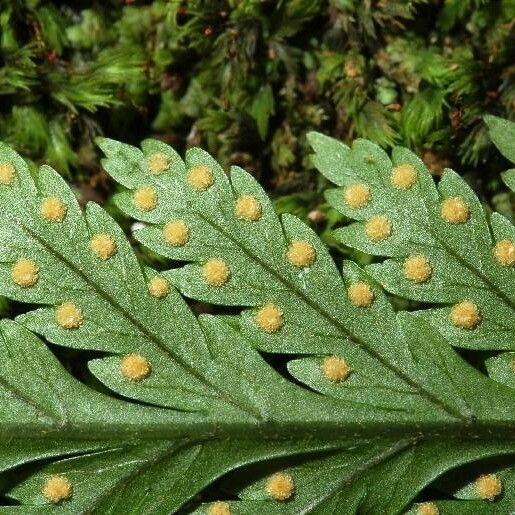
- 🛡️ The "Shield" Sori: On the underside of mature leaves, you will find small, kidney-shaped protective flaps (indusia) covering the spores, which is where the nickname "Shield Fern" originates.
🏡 In Your Garden
- 💧 The Humidity Requirement: Because it originates from humid tropical islands, this fern thrives in high-moisture environments. It is much more likely to succeed in a bathroom with a window or a large glass terrarium than in a dry, drafty living room.
- ⛰️ Soil and Drainage: In the wild, it often grows in rocky, leaf-littered soil. At home, it hates "wet feet." Use a substrate that mimics the forest floor—rich in organic matter but loose enough to let the roots breathe.
⚠️ Safety & Toxicity
- ✅ General Safety: Lastreopsis vieillardii is generally considered non-toxic to humans and common household pets like cats and dogs.
- 🧤 Skin Sensitivity: While not poisonous, the fine hairs on the stems of some ferns can occasionally cause mild skin irritation for people with very sensitive skin, so handling with care is always a good practice.
✨ Fun Fact
New Caledonia, the home of this fern, is a "biodiversity hotspot" where nearly 75% of the plant species found there—including Lastreopsis vieillardii—exist nowhere else on Earth! This makes your plant a living piece of one of the world's most unique ecological islands.

Detailed Care Instructions
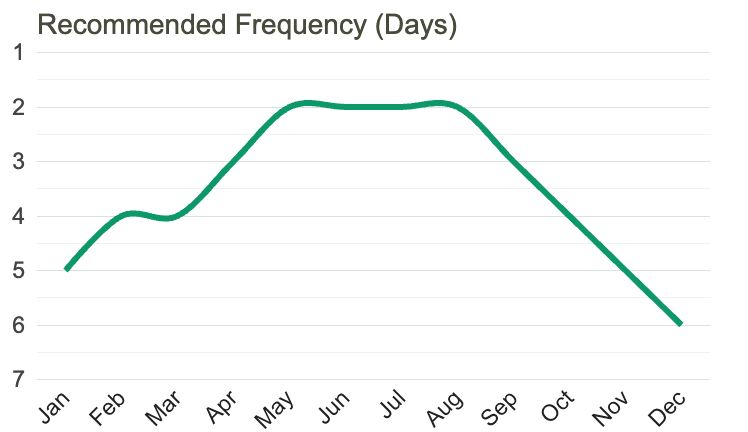
Lastreopsis Vieillardii plant should be watered regularly to keep the soil moist but not waterlogged. Watering should be done at the base of the plant to avoid wetting the leaves, which can lead to fungal diseases. The frequency of watering will depend on the humidity and temperature of the plant's environment, but it is generally recommended to water once or twice a week. It is important to let the soil dry out slightly between waterings to prevent root rot. Overwatering can also lead to yellowing leaves and stunted growth. When watering, it is also important to use room temperature water to avoid shocking the plant's roots.








