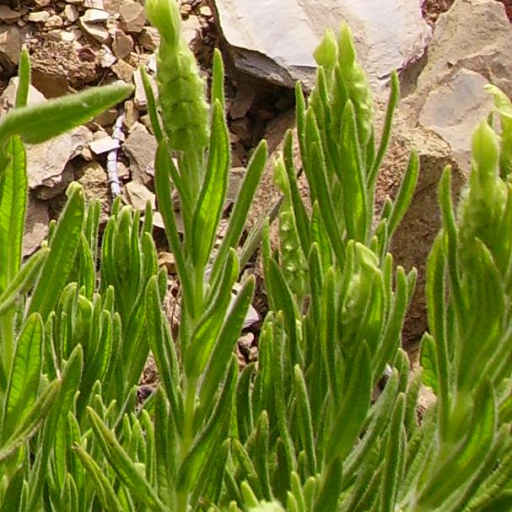
Plant Overview
Meet the "Green Lavender," a sun-loving rebel of the lavender family that breaks all the traditional rules. While most of its cousins flaunt shades of purple and silver, Lavandula viridis opts for a vibrant lime-green coat and surprising lemon-yellow flowers. Native to the rocky slopes of Spain and Portugal, it brings a fresh, zesty twist to any Mediterranean-style garden.
🔍 How to Identify
- 🌿 Vibrant Foliage: Unlike the dusty-grey leaves of English lavender, this variety features densely packed, needle-like leaves that remain a bright, vivid green year-round.
- 🍋 Yellow Blooms: The flower spikes are topped with small, leafy "ears" or bracts that range from creamy white to pale lemon-yellow, rather than purple.
- 👃 Distinct Aroma: If you crush the leaves, you won't smell a typical "soapy" lavender; instead, you’ll be greeted by a sharp, refreshing scent of pine, camphor, and citrus.
🏡 In Your Garden
- ☀️ Sun Seeker: This plant is a true child of the sun; it requires a bright, open spot to prevent its stems from becoming "leggy" or weak as they stretch for light.
- 🏜️ Drainage is Key: It hates "wet feet" more than almost any other herb. It thrives in poor, sandy, or gritty soil—if your garden has heavy clay, consider planting it in a raised bed or a terracotta pot to ensure the roots stay dry.
- ✂️ Pruning Habit: It grows into a tidy, rounded mound, but it benefits from a light trim after flowering to keep it from becoming woody and sparse in the center.
⚠️ Safety & Toxicity
- 🐾 Pet Warning: Like all lavender species, it contains linalool and linalyl acetate. While it is generally safe to touch, it can be toxic to cats, dogs, and horses if ingested in large quantities, potentially causing nausea or lethargy.
- 👶 Human Safety: It is non-toxic to humans and is often used in aromatherapy. However, the concentrated essential oil should be used with caution, as it can cause minor skin irritation for those with sensitive skin.
✨ Fun Fact
In its native Portugal, Lavandula viridis isn't just a pretty face—it has been used for generations in folk medicine and is currently being studied by scientists for its powerful natural antifungal properties.

Detailed Care Instructions
To grow Lavandula Viridis, also known as green lavender, you can follow these steps:
- Climate and Soil: Green lavender thrives in full sun and well-drained soil. Choose a planting location that receives at least 6-8 hours of sunlight per day. The soil should be sandy or loamy with good drainage.
- Planting: Start by preparing the soil in your chosen location. Loosen the soil and remove any weeds or debris. Dig a hole that is slightly larger than the root ball of the plant. Gently place the plant in the hole, ensuring the top of the root ball is level with the soil surface. Backfill the hole with soil and gently tamp it down.
- Watering: Water the plant thoroughly right after planting, and then water regularly to keep the soil evenly moist. However, avoid overwatering, as lavender plants are prone to root rot. Allow the top inch of soil to dry out between waterings.
- Pruning: Prune green lavender regularly to encourage bushier growth and better air circulation. After the plant finishes flowering, cut back any faded flower stalks to prevent seed formation. Moreover, you can also trim back the plant in early spring to promote new growth.
- Fertilization: Lavandula Viridis generally does not require heavy fertilization. Use a well-balanced, slow-release fertilizer in early spring. Avoid over-fertilizing, as it can lead to excessive foliage growth with fewer flowers.
- Pests and Diseases: Green lavender is relatively resistant to pests and diseases. However, keep an eye out for aphids, spider mites, and fungal diseases such as root rot. If necessary, you can use environmentally friendly, organic insecticides or fungicides.
- Propagation: You can propagate Lavandula Viridis through stem cuttings. Take 3-4 inch cuttings from a healthy plant in early summer. Remove the lower leaves and dip the cutting in rooting hormone powder. Plant the cutting in a well-draining potting mix and keep it in a warm, bright location. Mist the cutting regularly to maintain humidity until roots develop.
Remember, Lavandula Viridis is native to the Mediterranean region and prefers a warm climate. In areas with harsh winters, it may be safer to grow it in containers or as an indoor plant.

Place in a bright room that is sun drenched almost all day. Or directly in a south-facing window.

To water this type of plant, it is important to ensure that the soil is consistently moist but not waterlogged. This can be achieved by watering regularly, but not excessively, and allowing the top layer of soil to dry out slightly between waterings. It is also important to avoid getting water on the foliage or flowers of the plant, as this can lead to fungal issues. To prevent water from getting on the plant, it may be helpful to water at the base of the plant or use a drip irrigation system. Additionally, it is important to take into account factors such as the plant's location, soil type, and weather conditions when determining the frequency and amount of watering required.
To fertilize this plant, mix a slow-release fertilizer into the soil around the base of the plant, following the package instructions for dosage. Alternatively, use a liquid fertilizer diluted in water and apply to the soil around the plant every two weeks during the growing season. Be sure to water the plant before and after applying fertilizer to prevent burning of the roots. Fertilize sparingly, as this plant prefers lean soil and can be damaged by over-fertilization.
Lavandula viridis prefers a well-drained and moderately fertile soil that is not too rich in organic matter. It can thrive in a variety of soil types, including sandy or loamy soils with a pH range of 6.5 to 7.5. To promote good drainage, it is recommended to mix in coarse sand or perlite with the soil before planting. Additionally, it is important to avoid overwatering the plant to prevent waterlogging the soil, which can cause root rot.
To propagate this plant, you will need to gather matured plant parts such as stem cuttings or seeds. For stem cuttings, choose healthy and mature stems that are at least 6 inches long. Cut the stems just below a node and remove the lower set of leaves. Dip the cut end in rooting hormone powder and plant the stem in a soilless mix that is moist but not waterlogged. Cover the container with a plastic bag or propagate the stem under humidity. Place the container in bright but indirect sunlight and maintain the soil moisture until roots develop.
For seed propagation, sow the seeds in moist soilless mix and cover lightly with the same medium. Place the container in bright but indirect sunlight and maintain the soil moisture until seedlings emerge. Thin out the seedlings by removing the weakest and maintain the strongest ones in individual containers.
After propagation, increase the light and air exposure gradually to let the plants acclimate to their new environment. Transplant to their permanent location when they are mature enough, and maintain the appropriate growing conditions.








