Plant Overview
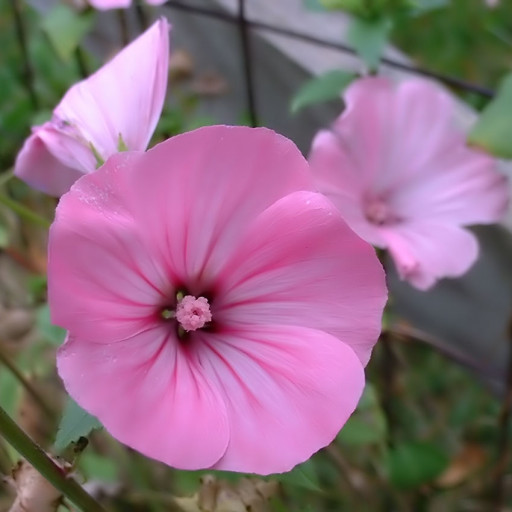
Often called the Rose Mallow or Annual Mallow, Lavatera trimestris is the undisputed drama queen of the summer cottage garden. Native to the Mediterranean, this fast-growing annual produces a localized explosion of satiny, trumpet-shaped blooms that look like they belong in a tropical paradise rather than a temperate backyard. Its botanical name comes from the Lavater brothers, famous 17th-century Swiss physicians and naturalists.
🔍 How to Identify
- 🌸 The Blooms: Large, funnel-shaped flowers (up to 4 inches wide) with a distinct "silky" or "satiny" sheen. They usually come in vibrant shades of rose-pink, blush, or pure white, often with darker veining radiating from the center.
- 🍃 The Foliage: Lower leaves are heart-shaped, while upper leaves become more lobed or maple-like. They have a soft, slightly hairy texture and a rich forest-green color.
- 🌿 Growth Habit: An upright, bushy plant that can reach between 2 to 4 feet tall. It develops a sturdy, central stalk that supports its heavy crown of flowers.
🏡 In Your Garden
- 🌱 The "Homebody" Root: This plant is famous for its sensitive taproot. It hates being moved once established, so it is best to sow seeds directly into the soil where you want them to stay rather than transplanting them from nursery pots.
- 🦋 A Pollinator Party: Because the flowers are so wide and open, they act as perfect landing pads for bees and butterflies. It is a high-value plant for anyone looking to support local biodiversity.
- ☀️ Self-Sufficient Beauty: While it loves the sun, it is surprisingly drought-tolerant once it gets going. It doesn't require "deadheading" (removing old flowers) to keep blooming, making it a low-maintenance choice for busy gardeners.
⚠️ Safety & Toxicity
- ✅ Safe Status: Lavatera trimestris is generally considered non-toxic to humans, cats, and dogs.
- 🧤 Skin Sensitivity: While not poisonous, some gardeners find that the fine hairs on the stems and leaves can cause very mild skin irritation or "itchiness" after pruning. Wearing gloves is a good idea if you have sensitive skin.
✨ Fun Fact
The "trimestris" part of its name literally translates to "three months," referring to the plant's incredibly rapid life cycle—it can go from a tiny seed to a four-foot flowering giant in just about 90 days!

Detailed Care Instructions
| Humidity | Normal |
| Lighting | Full Sun |
| Difficulty | Medium |
| Temperature | 5°C - 25°C |
| Hardiness Zones | 2A - 12B |
To grow Lavatera Trimestris plants, follow these steps:
- Start by choosing a location with full sun exposure. Lavatera Trimestris prefers warm and sunny conditions.
- Prepare the soil by removing any weeds, rocks, or debris. Till the soil to a depth of about 6-8 inches and add organic matter, such as compost or aged manure, to improve drainage and nutrient content.
- If starting from seeds, sow them directly into the prepared soil after the last frost date in your area. Gently press the seeds into the soil, but do not cover them as they require light to germinate.
- Water the area thoroughly, keeping the soil moist but not waterlogged. Depending on the weather conditions, you may need to water daily until the seeds germinate.
- Once the seedlings emerge, thin them out, leaving the strongest and healthiest plants about 12-18 inches apart to allow for proper growth and airflow.
- Continue to water the plants regularly, ensuring the soil remains consistently moist. However, be cautious not to overwater as this can lead to root rot.
- Apply a balanced, slow-release fertilizer once a month during the growing season to provide the plants with essential nutrients.
- Lavatera Trimestris plants benefit from regular deadheading, which involves removing faded flowers to encourage more blooms and prevent seed formation.
- Monitor the plants for common pests, such as aphids or spider mites, and treat them accordingly using organic pest control methods if necessary.
- Enjoy the beautiful blooms of your Lavatera Trimestris plants throughout the summer. They typically reach a height of about 2-3 feet and produce vibrant flowers in various shades of pink and white.
Note: The Lavatera Trimestris plant can self-seed, so if you want to prevent them from spreading, remove spent flowers before they have a chance to produce seeds.

Place in a bright room that is sun drenched almost all day. Or directly in a south-facing window.

To water this particular plant, it is important to keep the soil evenly moist. One way to achieve this is to water deeply and regularly, aiming to keep the top few inches of soil consistently damp but not waterlogged. It is also important to water at the base of the plant rather than over the foliage to avoid fungal diseases. During periods of drought or high temperatures, the plant may require more frequent watering to prevent wilting.
The Lavatera Trimestris plant should be fertilized every two weeks with a balanced liquid fertilizer during its growing season, which is typically from early spring to mid-autumn. Be careful not to over-fertilize as this can cause the plant to become leggy and weak. Water the plant well before applying the fertilizer to avoid burning the roots. When applying the fertilizer, follow the instructions on the label and use only the recommended amount. In addition to regular fertilizing, it is also important to regularly deadhead the plant to encourage healthy growth and flowering.
The ideal soil for Lavatera Trimestris plants should be well-draining, fertile, and rich in organic matter. It should have a pH between 6.0 and 7.5, and be able to retain moisture while still allowing excess water to drain out. A sandy loam soil enriched with compost and peat moss would be ideal for this plant. It is important to ensure that the soil is not too clay-like, as this can lead to waterlogged conditions and increase the risk of root rot. Additionally, it is recommended to mix a slow-release fertilizer into the soil at planting time to provide the necessary nutrients for healthy growth.
To propagate this plant, one can utilize a stem cutting method. Select a healthy and mature stem from the plant, making sure it is around 10-12cm long. Cut the stem cleanly and clearly below a leaf node to ensure that the cutting roots successfully. Strip off the leaves from the bottom half of the stem, leaving a couple of small leaves at the top. Dip the cut end in a rooting hormone powder to encourage the development of roots and place it in a pot filled with moistened potting soil or a mixture of sand and peat moss. Cover the cutting and the pot with a plastic bag to maintain moisture and place it in a bright but shaded area, avoiding direct sunlight. Check frequently for moisture and if required, mist the cutting with spritzing water. Roots should start growing within 2-3 weeks. Once the roots are established and new leaves start to form, remove the plastic bag and transfer the cutting gently to its permanent location.
Common pests of the annual mallow include Spider mites, aphids, thrips. Make a habit of checking your annual mallow frequently for pests so that any infestations can be caught and managed early.








