Plant Overview
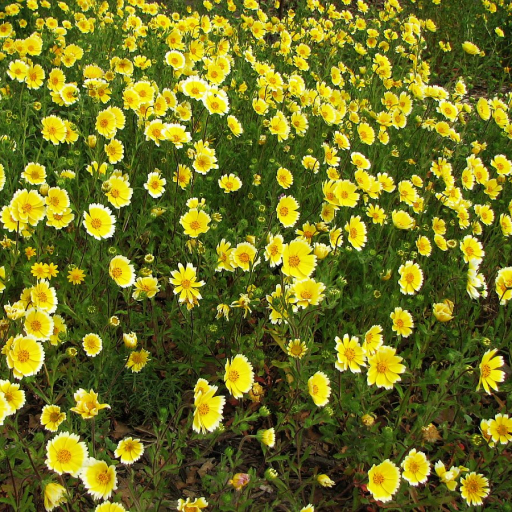
Commonly known as "Tidy Tips," this charming California wildflower looks exactly like a daisy that has been neatly dipped in white paint. A staple of spring meadows and coastal hillsides, it often forms vast golden carpets that signal the arrival of warmer weather. Its "tidy" appearance and friendly disposition have made it a darling of native plant enthusiasts and drought-tolerant gardeners alike.
🔍 How to Identify
- 🌼 The Petals: The most striking feature is the bright yellow ray flowers tipped with a crisp, distinct band of white, looking as though they were painted by hand.
- 🍃 Foliage: The leaves are narrow, grayish-green, and covered in fine hairs. They are often "glandular," meaning they feel slightly sticky to the touch.
- 📏 Growth Habit: This is a low-growing annual that typically reaches 1 to 2 feet in height, often branching out from the base to create a bushy, cheerful cluster of blooms.
🏡 In Your Garden
- ☀️ Sun & Soil Nuance: Tidy Tips crave full sun and are exceptionally drought-tolerant. While they aren't picky about soil, they perform best in well-draining sandy or loamy spots where water doesn't sit around the roots.
- 🌱 Direct Sowing: This plant is famous for its "taproot" tendency. It hates being moved once it starts growing, so it is best to sow seeds directly into the garden in late autumn or early spring rather than starting them in pots.
- 🦋 Pollinator Role: They are a high-value nectar source. Planting these will transform your garden into a busy hub for native bees, hoverflies, and butterflies.
⚠️ Safety & Toxicity
- ✅ General Status: Layia platyglossa is considered non-toxic to humans, dogs, and cats. It is a very safe choice for family-friendly landscapes.
- 🧤 Skin Sensitivity: The sticky, resinous hairs on the stems and leaves can occasionally cause mild skin irritation for people with very sensitive skin. If you are doing a lot of weeding or pruning, a pair of light gardening gloves is recommended.
✨ Fun Fact
The "sticky" texture of the Tidy Tips' leaves isn't just for show—it is a clever survival strategy! The plant produces a light resin that acts as a natural sunscreen and moisture-barrier, helping it thrive in the intense heat of a Mediterranean summer.

Detailed Care Instructions
Layia platyglossa, commonly known as tidy tips, is a cheerful annual wildflower native to California. It features bright yellow flowers with distinctive white tips and grows well in a variety of garden settings. Here are some tips on how to successfully grow Layia platyglossa:
1. Choose the Right Time to Sow:
- Timing: The best time to plant Layia platyglossa is in the fall or early spring. In areas with mild winters, fall sowing allows the seeds to germinate with the winter rains, which helps establish the plants before the dry summer.
2. Select a Suitable Location:
- Sunlight: Layia platyglossa thrives in full sun, so choose a spot that receives at least 6 to 8 hours of direct sunlight daily.
- Soil: It prefers well-drained soil. Although it can tolerate poor soil conditions, avoiding overly rich or waterlogged soil is best.
3. Soil Preparation:
- Texture: Loosen the soil to a depth of about 6 to 8 inches to encourage good root development.
- Drainage: If drainage is a problem, consider raising the beds or incorporating some sand or organic matter to improve soil structure.
4. Sowing Seeds:
- Direct Sowing: Scatter the seeds directly onto the prepared soil surface. Tidy tips seeds need light to germinate, so do not cover them with soil; simply press them lightly into the soil for good contact.
- Watering: After sowing, water the area gently but thoroughly. Keep the soil evenly moist until germination, which typically occurs within 10 to 20 days depending on the soil temperature and moisture levels.
5. Care and Maintenance:
- Watering: Once established, Layia platyglossa is quite drought-tolerant. Water the plants only if you notice wilting or during prolonged dry spells.
- Thinning: If seedlings are crowded, thin them to about 6 to 10 inches apart to ensure adequate space for growth.
- Fertilization: Over-fertilization can lead to excessive leaf growth at the expense of flowers, so limit fertilizer use. A light application of a balanced, slow-release fertilizer at planting may be sufficient.
6. Pest and Disease Management:
- Generally, Layia platyglossa is not plagued by serious pest or disease problems. Keeping the area free of debris and avoiding overhead watering can help prevent fungal diseases.
7. **Encouraging Flowering:
- Deadheading: Remove spent flowers to encourage continuous blooming and prevent the plants from setting too many seeds early in the season.
8. End of Season Care:
- Seed Collection: If you wish to collect seeds, allow some of the flowers to mature fully and produce seed heads. Collect the seeds once the heads are dry and store them in a cool, dry place for the next season.
- Allow Self-Seeding: Alternatively, you can let some flowers go to seed naturally to encourage self-seeding for next year's growth.
By following these guidelines, you can successfully grow Layia platyglossa and enjoy its vibrant blooms in your garden.

Place in a bright room that is sun drenched almost all day. Or directly in a south-facing window.

To properly water this plant, it is important to monitor the soil moisture levels regularly. Over-watering can lead to root rot, while under-watering can cause the plant to wilt and become stressed.
Check the soil to a depth of about 1-2 inches before watering. If the soil feels dry to the touch, it is time to water. Ensure that water reaches the roots by watering slowly and deeply, allowing the water to penetrate the soil.
It is best to water in the morning to allow the plant to absorb the moisture throughout the day. Avoid watering in the evenings, as this can promote fungal growth.
During the hot summer months, the plant may require more frequent watering, while in the cooler months, watering can be reduced. Adjust the watering schedule based on the specific needs of the plant and the environmental conditions.
Additionally, consider using a watering can with a spout to deliver water directly to the soil around the plant, rather than spraying water on the leaves, which can increase the risk of disease.
To fertilize Layia platyglossa plants, it is recommended to use a balanced, slow-release fertilizer during the growing season. Apply the fertilizer according to the manufacturer's instructions, typically every 4-6 weeks. Be sure to water the plants thoroughly after fertilizing to help the nutrients penetrate the soil. Avoid over-fertilizing as this can cause damage to the plant. In the winter months, reduce or stop fertilizing until the next growing season.
The Layia Platyglossa plant thrives in well-draining soil that is rich in organic matter. A sandy loam or loamy soil mixture is ideal for this plant, as it allows for proper drainage while still retaining enough moisture for the plant's roots to absorb. Additionally, a slightly acidic to neutral pH level is preferred for optimal growth. It is important to avoid using heavy clay soils, as they can lead to poor drainage and waterlogging, which can be harmful to the plant's root system. Adding compost or other organic matter to the soil can help improve its overall structure and fertility, providing the Layia Platyglossa plant with the necessary nutrients to thrive. Additionally, a layer of mulch on top of the soil can help retain moisture and regulate the temperature of the roots, ensuring the plant remains healthy and vibrant.
- Begin by collecting seeds from mature Layia platyglossa plants. Harvest the seeds when the flower heads have dried and turned brown.
- Prepare a seed-starting mixture of well-draining soil and perlite or sand for optimal drainage. Fill small seedling trays or pots with the mixture.
- Sow the Layia platyglossa seeds on the surface of the soil mixture, and lightly press them into the soil without covering them too deeply.
- Water the seeds gently using a spray bottle or fine mist to avoid displacing them. Keep the soil consistently moist but not waterlogged.
- Place the seedling trays in a warm, sunny location with indirect sunlight. Provide a consistent temperature of around 70-75°F (21-24°C).
- Germination typically occurs within 1-2 weeks, but it may take longer in some cases. Continue to water the seedlings regularly and ensure they receive adequate sunlight.
- Once the seedlings have developed a few sets of true leaves, they can be transplanted into larger pots or directly into the garden. Be sure to harden off the seedlings by gradually exposing them to outdoor conditions before transplanting.
- When transplanting, ensure that the Layia platyglossa plants are placed in well-draining soil in a sunny location. Water them regularly to promote healthy growth and blooming.
- As the plants mature and produce new flowers, they may also produce seeds for future propagation. Harvest these seeds and repeat the process to continue growing Layia platyglossa plants.








