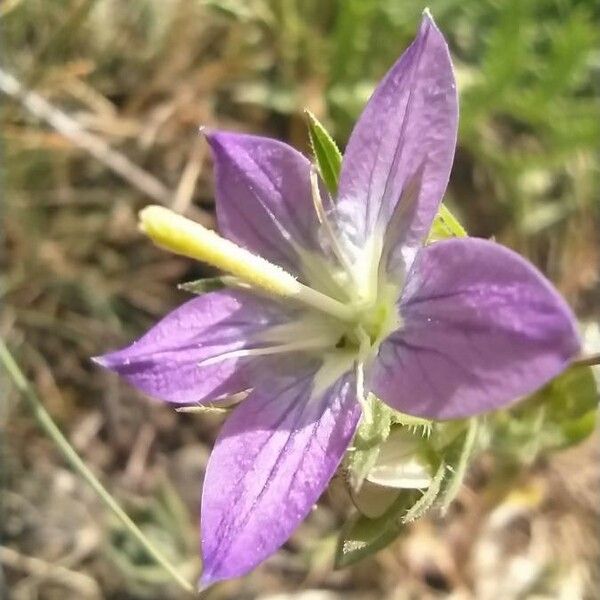
Plant Overview
Known as the Five-angled Venus’ Looking-glass, this delicate Mediterranean native paints sun-drenched fields in shades of royal violet. Its name evokes the ancient myth of Venus, the goddess of love, who supposedly dropped her enchanted mirror, which shattered into thousands of these star-shaped blooms. It is a charming annual that thrives in rocky soils, turning wild meadows into a tapestry of celestial color.
🔍 How to Identify
- 💜 The Bloom: Deep purple or lilac flowers with five distinct petals that form a perfect star shape, often featuring a bright white or pale yellow "eye" at the center.
- 🌿 The Foliage: Small, lance-shaped leaves with slightly wavy edges that sit alternately along the stem.
- 📏 The Stature: A slender, upright plant that usually reaches about 10 to 15 inches in height, with stems that may be covered in fine, soft hairs.
🏡 In Your Garden
- ☀️ Sun Seeker: This plant is a true lover of the sun; it requires bright light to fully open its blossoms. In the shade, the flowers may remain shy and partially closed.
- 🌱 Self-Seeding Spirit: As an annual, it lives fast and leaves behind many seeds. If you want it to return next year, avoid heavy mulching or "deadheading" (removing spent flowers) so the seeds can drop naturally into the soil.
- 🪨 Drainage is Key: It naturally thrives in the rocky, limestone-rich soils of the Mediterranean, meaning it hates "wet feet." Ensure your garden bed or pot has excellent drainage to prevent root rot.
⚠️ Safety & Toxicity
- ✅ Status: Generally considered non-toxic and safe.
- 🐾 Details: There are no known records of this plant being poisonous to dogs, cats, or horses. However, it is strictly an ornamental wildflower and is not intended for human or animal consumption.
✨ Fun Fact
The "Looking-glass" part of its name doesn't just come from the flower shape; it refers to the plant's shiny, polished seeds, which were said to resemble tiny mirrors held by the goddess Venus herself.

Detailed Care Instructions

Place in a bright room that is sun drenched almost all day. Or directly in a south-facing window.
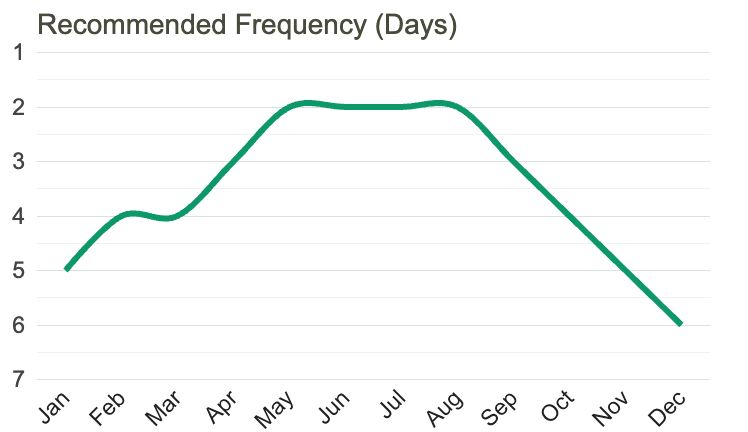
Water-loving plants flourish in wet or sloppy soil and near ponds. The extensive root system enables these plants to absorb plenty of water. The surface of the soil should be kept moist at all times. Place your pot in a container filled with water to guarantee that plants get enough water. If the ground becomes dry, it is recommended that you water it well. Plants in smaller pots will need to be watered more frequently. Water the soil in which the plant is standing thoroughly using a watering can.








