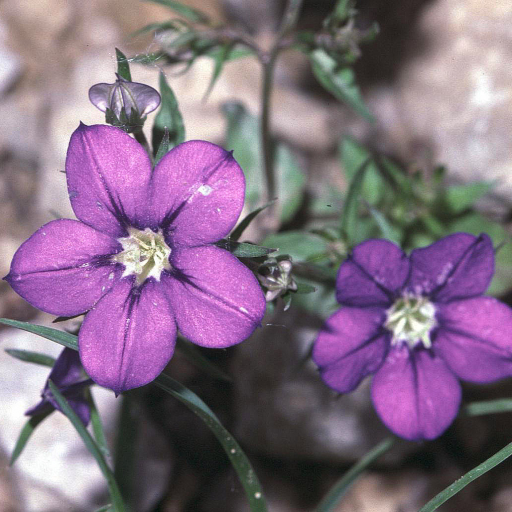
Plant Overview
Often called the Large Venus's-Looking-Glass, this charming annual is like a scattering of fallen stars across a summer meadow. Its name evokes Roman mythology, suggesting the flower is so beautiful it once belonged to the goddess of love herself. Once a common sight in European cornfields, it is now a prized choice for wildflower enthusiasts looking to add a splash of royal purple to their collection.
🔍 How to Identify
- 🌸 The Bloom: Striking five-petaled flowers in a deep violet or magenta hue, often featuring a bright white "eye" or throat at the very center.
- 🍃 The Foliage: Small, oblong leaves with slightly wavy edges that sit directly on the stem without a stalk (sessile).
- 📏 Growth Habit: A delicate, branching plant that stands upright between 10 to 15 inches, creating a light and airy appearance in a flower bed.
🏡 In Your Garden
- ☀️ Sun Seeker: This plant craves full sun to fully open its "mirrors." In cloudy weather or deep shade, the flowers may remain shy and tightly closed.
- 🌱 Self-Sowing Nature: As a true annual, it completes its entire life cycle in one year. However, it is a champion at self-seeding; if you leave the spent flower heads alone, it will effectively "replant" itself for you next spring.
- 🌍 Soil Preference: It isn't too picky but performs best in well-drained, slightly alkaline (lime-rich) soil, mimicking the edges of the ancient grain fields where it originated.
⚠️ Safety & Toxicity
- ✅ Safe Status: Legousia speculum-veneris is generally considered non-toxic and safe for home gardens.
- 🐾 Pets & Kids: There are no known records of this plant being poisonous to cats, dogs, or humans, making it a worry-free addition to a family-friendly landscape.
✨ Fun Fact
🪞 The species name speculum-veneris literally translates to "Mirror of Venus." While the flower is beautiful, the name actually refers to the plant's seeds—they are so exceptionally smooth, flat, and shiny that they look like tiny, polished bronze mirrors.

Detailed Care Instructions
Growing Legousia Speculum-veneris, commonly known as Venus's looking-glass, is relatively simple. Here are some steps to help you grow this plant successfully:
- Climate: Legousia Speculum-veneris is a hardy annual plant that thrives in temperate climates. It prefers full sun to partial shade and grows best in areas with a cool Mediterranean climate.
- Soil: Use well-draining soil enriched with organic matter. This plant can tolerate poor soils but performs better in fertile, loamy soil.
- Sowing: Start by sowing the seeds either directly in the garden or in seed trays in early spring. If you opt for starting indoors, transplant them when they have developed a few true leaves.
- Planting depth: Sow the seeds at a depth of approximately 5mm (0.2 inches) and space them about 15-20cm (6-8 inches) apart.
- Watering: Keep the soil consistently moist but not soaking wet. Regular watering will ensure good germination and healthy growth.
- Maintenance: Remove any weeds that compete for nutrients and water. Mulching around the plant helps suppress weed growth and retain soil moisture.
- Pests and diseases: Legousia Speculum-veneris is generally pest and disease resistant. However, keep an eye out for common issues such as aphids, slugs, and powdery mildew. Use organic pest control methods if necessary.
- Pruning: To encourage bushier growth, pinch back the growing tips once the plant has developed a few sets of leaves.
- Harvesting: You can harvest the flowers as they bloom to enjoy their vibrant colors. Legousia Speculum-veneris self-seeds easily, so allow some flowers to go to seed if you want them to propagate in the same location next year.
- Overwintering: This plant is an annual but can self-sow and reappear the following year. Alternatively, you can collect and store the seeds in a cool, dry place for planting next season.
Remember to consult your local gardening experts or extension service for specific guidance tailored to your region, as they may have additional information. Enjoy growing your Legousia Speculum-veneris plant!
To water this plant, first, check the soil moisture by inserting your finger about an inch into the soil. If the soil feels dry, it is time to water. Water the plant slowly and evenly until the water begins to drip from the drainage holes at the bottom of the pot. Avoid over-watering and ensure that the soil does not become waterlogged. It is best to water in the morning to allow excess moisture to evaporate during the day and prevent fungal growth. Adjust watering frequency based on the plant's needs and environmental conditions.
To fertilize this plant, begin by choosing a high-quality fertilizer with a balanced N-P-K ratio. During the growing season, which typically starts in spring and ends in fall, feed the plant every two weeks with a diluted fertilization solution. It's best to apply the fertilizer in the evening or early morning and avoid fertilizing during extreme temperatures or drought conditions. Be sure to follow the instructions on the fertilizer packaging carefully, as over-fertilization can cause damage to the plant. With the right feeding schedule, this plant should thrive and produce beautiful blooms.
Legousia Speculum-veneris plant prefers well-draining soil that is rich in organic matter. The ideal soil pH range for this plant is slightly acidic to neutral. Sandy loam, loamy sand, or sandy clay soil types with good drainage are suitable for the growth of this plant. Clay soil should be amended with organic matter to improve drainage and prevent waterlogging. The soil should be moist, but not waterlogged, and should be able to hold enough moisture to keep the plant hydrated. The use of a balanced fertilizer during the growing season can improve plant growth and flowering. It is important to avoid over-fertilization, which can lead to excessive foliage growth and reduced flower production.
To propagate this plant, you can start by collecting seeds from mature flowers.
- Wait until the flowers have finished blooming and the seedpods have formed. The seedpods should be brown and dry.
- Carefully remove the seedpods from the plant and place them in a paper bag.
- To separate the seeds from the pods, gently crush the pods in the bag.
- The seeds can now be planted in small pots or directly in the ground. Make sure the soil is moist but not waterlogged.
- Cover the seeds with a thin layer of soil and keep them in a warm, bright location. You can use a heat mat to keep the soil at a consistent temperature.
- Water the seeds regularly, but be careful not to overwater as this can lead to fungal growth and rot.
- Once the seedlings have sprouted and are big enough to handle, you can transplant them into larger pots or into the garden.
- Make sure to keep them well watered and fertilized as they grow. With proper care, your Legousia Speculum-veneris plants will thrive and produce beautiful flowers year after year.








