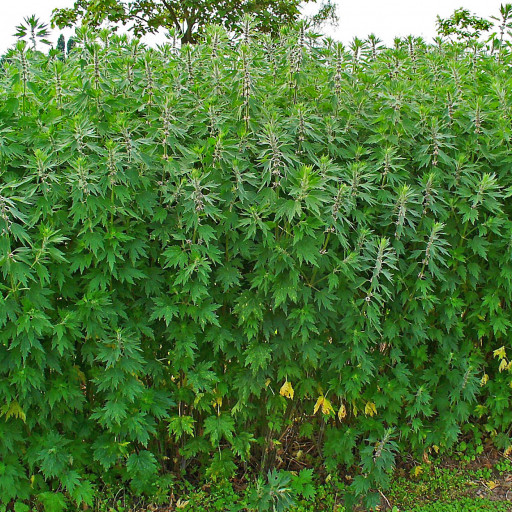
Plant Overview
Often called the "Lion’s Tail" or "Mother’s Herb," Motherwort has been a staple in European cottage gardens for centuries. It is a tall, rugged member of the mint family that bridges the gap between a medicinal powerhouse and a structural wildflower. Its Latin name, cardiaca, hints at its long history of being used in folk medicine to soothe "troubled hearts" and anxiety.
🔍 How to Identify
- 🌿 The Leaves: The foliage is deeply lobed and toothy, often resembling a maple leaf or a bird’s foot. The lower leaves are wide, while the upper leaves become narrower and more pointed.
- 🧊 The Stem: True to its mint family lineage, the stem is distinctly square, upright, and very sturdy, often reaching heights of three to five feet.
- 🌸 The Blooms: Look for small, tubular, and remarkably "hairy" flowers. They are typically pale pink to lavender and grow in tight, prickly circles (whorls) nestled where the leaves meet the stem.
🏡 In Your Garden
- 🐝 Pollinator Paradise: Motherwort is a champion for biodiversity. Its nectar-rich flowers are irresistible to bumblebees and honeybees, making it a functional choice for a wildlife-friendly "wild" corner.
- 🌱 Spreading Tendencies: This plant is a prolific self-seeder. Because it spreads via both seeds and rhizomes, it can become invasive if left unchecked. To keep it contained, deadhead the flower spikes before the seeds harden.
- 💪 Tough as Nails: It is not picky about its home. It thrives in poor soil and can handle both full sun and partial shade, making it an excellent "set it and forget it" plant for difficult spots.
⚠️ Safety & Toxicity
- 🤰 Pregnancy Warning: Motherwort is historically known as a uterine stimulant. It should be strictly avoided by pregnant individuals as it may cause complications.
- 🌵 Mechanical Irritation: As the flowers fade, they turn into very sharp, prickly seed heads. Always wear gloves when pruning or handling the mature plant to avoid painful skin pricks.
- 🐾 Pet Safety: While not typically listed as highly toxic to pets, the bitter taste usually prevents ingestion. However, the sharp burrs can get stuck in long fur or sensitive paws.
✨ Fun Fact
The genus name Leonurus literally translates from Greek as "Lion's Tail." This refers to the way the long, shaggy flowering spikes look as they sway in the summer breeze.

Detailed Care Instructions
Motherwort is extremely easy to care for and requires minimal ongoing attention. However, its hardy nature also means it's known to quickly take over a space if not contained.
Is motherwort invasive?
Because of its vigorous growing habits, motherwort can quickly overtake a garden. It is considered invasive in the United States.
Where does motherwort grow?
Motherwort can be found in USDA hardiness zones 3 to 8. It grows almost anywhere, from woodlands and fields to riverbanks and roadsides.
| Color | Pink, Purple |
| Soil Ph | Neutral, Alkaline |
| Soil Type | Loamy, Sandy, Clay, Silt, Moist But Well-Drained |
| Bloom Time | Summer |
| Plant Type | Perennial, Herb |
| Mature Size | 5 Ft. Tall, 3 Ft. Wide |
| Native Area | Europe, Asia |
| Sun Exposure | Full, Partial, Shade |
| Hardiness Zones | 4-8 |
To grow Leonurus Cardiaca (Motherwort), here are some steps you can follow:
- Choose the right location: Motherwort prefers full or partial sunlight, so select a spot that gets at least 6 hours of direct sunlight. It can tolerate a wide range of soil types but prefers well-draining soil.
- Planting method: You can sow the seeds directly in the ground or start them indoors and transplant them later. If starting indoors, sow the seeds in pots or seed trays about 8-10 weeks before the last frost date.
- Soil preparation: Ensure the soil is loose and well-draining. Remove any weeds or unwanted debris. Incorporate some organic matter like compost into the soil to improve fertility.
- Sowing seeds: If sowing directly in the ground, sprinkle the seeds evenly over the prepared soil and lightly press them into the soil. If starting indoors, plant each seed about ¼ inch deep in the potting soil.
- Watering: Keep the soil consistently moist but not waterlogged. Watering when the top inch of soil feels dry is a good rule of thumb. Avoid overwatering, which can lead to root rot.
- Germination: The seeds usually take 2-3 weeks to germinate. Maintain a warm temperature of around 70°F (21°C) to facilitate germination.
- Transplantation: If started indoors, when the seedlings are 2-3 inches tall, carefully transplant them into larger pots or into the ground, spacing them about 12-18 inches apart. Handle the seedlings gently to avoid damaging the roots.
- Maintenance: Motherwort is a relatively low-maintenance plant. Regularly water the plants, especially during dry periods. Adding a layer of mulch around the plants can help retain moisture and suppress weed growth. Remove any weeds that appear.
- Pruning: To encourage bushier growth, pinch back the stem tips periodically. This will also prevent the plant from becoming too leggy.
- Harvesting: The best time to harvest Motherwort is in summer when it begins to flower. Harvest the leaves and flowers, leaving enough on the plant for continued growth.
Remember to always follow any additional instructions on the seed packet or consult local gardening resources for specific tips tailored to your climate and growing conditions.

Place in a window with dappled sun or a spot in the middle of a room. Or directly in a window facing west or east.

To water this plant, you should check the soil moisture level regularly by inserting your finger about an inch deep into the soil. If the soil is dry, it's time to water.
When watering, do so slowly and evenly, ensuring that the water is evenly distributed throughout the soil. Avoid letting water sit on the leaves or foliage as this can lead to fungal growth or other diseases.
During periods of high heat or dryness, you may need to water more frequently, but take care not to overwater as this can lead to root rot.
To further promote healthy growth, consider using a water-soluble fertilizer every few weeks during the growing season.
To promote healthy growth and blooming, provide this plant with a balanced fertilizer during the growing season. Use a slow-release fertilizer with a ratio of 10-10-10 or similar. Apply the fertilizer according to the instructions on the package, typically every four to six weeks. Be sure to water the plant well before and after fertilizing to avoid root burn. Additionally, you may want to top-dress the soil with organic matter like compost or well-rotted manure to provide extra nutrients and improve soil fertility.
The best soil to use with this plant is a well-draining, nutrient-rich soil that has a slightly acidic to neutral pH level. The ideal soil texture should be loamy and aerated to allow for proper air and water circulation. It is recommended to add organic matter like compost or aged manure to the soil to improve its quality. The plant prefers moist but well-drained soil, so make sure that there is adequate drainage to prevent waterlogging. Additionally, avoid using heavy clay soils or soils that are full of sand, as these may lead to poor growth and nutrient uptake.
The process of propagating this plant involves taking stem cuttings and rooting them in a suitable growing medium. First, select a healthy stem from the parent plant that is approximately 10-15cm long. Make a clean cut just below a node or leaf joint using a sharp sterile knife or razor blade. Remove the lower leaves, leaving only a few leaves at the top of the cutting.
Prepare a planting medium by mixing equal parts of peat moss and perlite or sand. Wet the medium to make it moist but not waterlogged. Dip the cut end of the stem in rooting hormone powder and tap off any excess.
Make a hole in the soil with a pencil or pen and insert the cutting. Press the soil gently around the cutting to ensure it is in firm contact. Water the soil lightly and cover the pot with a clear plastic bag to create a mini greenhouse. Place the pot in a warm, bright location but avoid direct sunlight.
Monitor the cutting regularly and mist the leaves with water to keep them moist. After 2-3 weeks, gently tug on the cutting to see if it has rooted. If there is resistance, the cutting has rooted. Remove the plastic bag and gradually expose the cutting to more light.
Once the plant has developed a good root system, it can be transplanted to a larger pot or into the garden. Water regularly and feed with a balanced fertilizer to encourage healthy growth.
Common pests of the common motherwort include Spider mites, whiteflies. Make a habit of checking your common motherwort frequently for pests so that any infestations can be caught and managed early.








