Plant Overview
Commonly known as Field Pepperweed or Cow Cress, this resilient plant is a common sight in meadows and along roadsides across the Northern Hemisphere. It is often mistaken for a common weed, but it carries a spicy secret: its seeds and leaves have a distinct peppery bite that has been used in rural kitchens for centuries. It is a hardy survivor that thrives in the cracks of sidewalks and the edges of wild fields alike.
🔍 How to Identify
- 🌿 The Leaves: The upper leaves have a very distinct "arrowhead" shape that appears to clasp or "hug" the stem directly, without a leaf stalk.
- 🌼 The Flowers: Clusters of tiny, four-petaled white flowers bloom at the very tip of the stems, creating a delicate, frothy appearance.
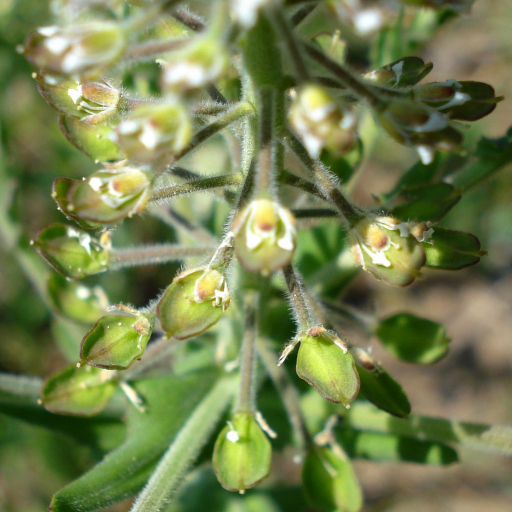
- 🥄 The Seed Pods: Its most defining feature—the seed pods are flat, oval, and slightly notched at the top, resembling tiny green spoons or scales stacked densely along the stem.
🏡 In Your Garden
- 🌱 Soil & Resilience: This plant is a pioneer species that loves disturbed soil. If you find it in your garden, it’s likely because the earth was recently turned. It has a sturdy taproot that allows it to survive in compacted earth where more delicate plants might fail.
- ☀️ Sun Seeker: Field Pepperweed is a sun-worshipper. While it can tolerate partial shade, it truly thrives and produces its signature "peppery" seeds when bathed in full, direct sunlight.
⚠️ Safety & Toxicity
- 🐾 Pet Safety: Field Pepperweed is generally considered non-toxic, but the high mustard oil content can cause mild digestive upset or mouth irritation in curious cats and dogs if eaten in large quantities.
- 🍽️ Foraging Caution: While the young leaves are edible (tasting like spicy watercress), you should never eat plants growing near roadsides. This species is known to absorb heavy metals and pollutants from vehicle exhaust and runoff.
✨ Fun Fact
- 🧂 Ancient Spice: Long before black pepper became a cheap household staple, Europeans often ground up the dried seed pods of Field Pepperweed to use as a pungent seasoning for meats and stews!

Detailed Care Instructions
To grow Lepidium Campestre (field pepperweed) plant, you can follow these steps:
- Choose the right location: Lepidium Campestre prefers full sun and well-draining soil. Select an area in your garden that receives at least 6-8 hours of direct sunlight per day.
- Prepare the soil: Ensure the soil is loose, fertile, and well-draining. You can amend the soil with organic matter like compost to improve its texture and nutrient content.
- Sow the seeds: Lepidium Campestre can be grown from seeds. Sow the seeds directly into the prepared soil in early spring after the last frost. The seeds are tiny, so scatter them thinly over the soil surface and gently press them down.
- Watering: Keep the soil consistently moist but not waterlogged. Water the plant regularly, especially during dry periods. However, avoid overwatering as it can lead to root rot.
- Weed control: Monitor the area for weeds and remove them regularly to prevent competition for nutrients and water.
- Pruning: Lepidium Campestre does not require regular pruning. However, you can trim back any damaged or overgrown branches to maintain its shape and promote healthy growth.
- Pest control: Lepidium Campestre is relatively resistant to pests and diseases. However, some common garden pests like aphids or caterpillars may occasionally attack the plant. Use organic or chemical insecticides, if necessary, to manage pest infestations.
- Harvesting: You can harvest the leaves of Lepidium Campestre once they have reached a desirable size. Use a pair of garden shears or scissors to cut the leaves just above the base. Harvesting regularly will encourage new growth.
Remember to check your local regulations regarding the growth and cultivation of Lepidium Campestre, as it may be considered an invasive weed in some areas.

Place in a bright room that is sun drenched almost all day. Or directly in a south-facing window.

To water this plant, you should first understand its specific watering needs. It is important to water the plant deeply and thoroughly to ensure that the water reaches the roots, but also avoid overwatering as it may cause root rot. One method is to water the plant when the soil is dry to the touch, typically every 7-10 days. Use a watering can or hose with a gentle flow to avoid damaging the delicate leaves or stem of the plant. Water until the soil is moist, and allow any excess water to drain away. It is also important to avoid watering the leaves directly, as this can increase the likelihood of disease and damage to the plant. It is recommended to water in the early morning or late afternoon to minimize evaporation and allow the plant to uptake water efficiently.
To fertilize this plant, apply a balanced or nitrogen-heavy fertilizer in early spring before the new growth appears. Avoid over-fertilizing as this can lead to excessive leaf growth at the expense of flowers. Water the plant well before and after fertilizing to prevent fertilizer burn. Additionally, adding compost or organic matter to the soil can also provide necessary nutrients for growth and development.
The ideal soil for the plant in question is one that is well-draining, loose and sandy loam, and has a slightly acidic to neutral pH level. The soil should be free of rocks, debris, and other contaminants that can obstruct the plant's root growth. It should also be amended with organic matter to provide essential nutrients and improve soil structure. The plant prefers dry, rocky, and nutrient-poor soils, so excessive fertilizers or organic matter should be avoided. Additionally, the plant is typically found in open, brightly lit habitats, so the location of planting should be in an area that receives an ample amount of sunlight.
To propagate this plant, you can collect seeds from mature plants. The seeds should be sown in well-draining soil in pots in early spring, lightly sprinkled on the surface of the soil and covered with a very thin layer of soil or sand. Keep soil moist but not waterlogged and place the pots in a warm and bright location. The seeds will germinate in 7-14 days. Once the seedlings have grown to a size where they have 3-5 true leaves, they can be transplanted into larger pots or directly into the garden. This plant is also known to readily self-seed and spread on its own.








