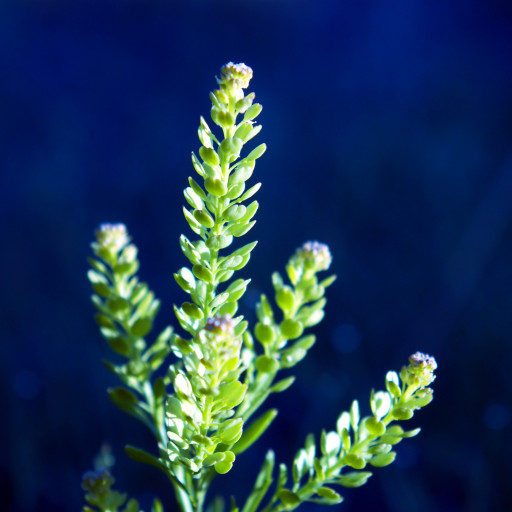
Plant Overview
Often called Common Pepperweed or Green-flowered Peppergrass, this humble member of the Mustard family is a master of the roadside. While it might look like a simple weed, it has a long history as a "pioneer spice," providing a sharp, peppery kick to the meals of early settlers who couldn't afford imported black pepper. It is a tough, wiry plant that thrives where others struggle, often forming dense, miniature forests in dry, sandy soil.
🔍 How to Identify
- 🌿 The "Bottle Brush" Shape: As the plant matures, the flowering stalks lengthen into dense, upright spikes that look remarkably like green cleaning brushes.
- 🍃 Variable Foliage: The base starts as a flat rosette of deeply lobed leaves, while the leaves on the upper stem are narrow, lance-shaped, and usually have smooth or slightly toothed edges.
- 🌰 Heart-Shaped Seed Pods: The most distinct feature is the fruit—tiny, flat, circular pods with a small notch at the tip, resembling miniature green hearts or flattened pouches.
- 🌼 Petal-less Flowers: Unlike many showy wildflowers, its blossoms are tiny and green; they often lack petals entirely, or the petals are so small they are invisible to the naked eye.
🏡 In Your Garden
- 🌱 The Ultimate Survivor: Pepperweed is a "pioneer species," meaning it is often the first to colonize disturbed or poor-quality soil. If it’s popping up in your garden, it’s likely indicating that the soil is dry, compacted, or recently turned over.
- 🚜 Taproot Strength: It develops a sturdy, deep taproot early in its life. This makes the plant incredibly drought-resistant but also difficult to pull out by hand once it has reached full size—it’s best to remove it when the soil is damp if you want it gone.
- 🦋 Pollinator Support: While not the main attraction in a flower bed, its tiny flowers provide a nectar source for small beneficial insects and tiny solitary bees that larger flowers might overlook.
⚠️ Safety & Toxicity
- 🟢 Generally Safe: Pepperweed is not considered toxic to humans and has been used historically as a culinary herb. However, its flavor is very intense and "hot," similar to horseradish.
- 🐕 Pet Awareness: It is generally non-toxic to dogs and cats, though consuming large amounts of any fibrous weed can lead to mild digestive upset or vomiting in curious pets.
- 🧪 Nitrate Warning: Like many plants in the Mustard family, if grown in heavily fertilized areas or runoff zones, it can accumulate nitrates, which can be harmful in very high quantities. Always ensure the area is clean if you are foraging.
✨ Fun Fact
The genus name Lepidium comes from the Greek word "lepis," meaning "scale," which refers to the small, scale-like shape of the seed pods. In some folk traditions, the plant was nicknamed "Poor Man's Pepper" because anyone with a patch of dirt could harvest their own spicy seasoning for free!

Detailed Care Instructions
To grow Lepidium densiflorum (commonly known as pepperweed or peppergrass), you can follow these steps:
- Germination: Start by germinating the seeds in a nursery tray or small pots. Pepperweed seeds can be sown directly into a prepared garden bed, although starting them indoors allows for better control over germination conditions.
- Soil preparation: Prepare a well-drained soil bed with a slightly acidic to neutral pH (around 6.0-7.0). Loosen the soil and remove any weeds or grass from the area.
- Light and temperature requirements: Place the plant in a spot that receives full sun or partial shade. Pepperweed prefers moderate temperatures between 65-75°F (18-24°C).
- Watering: Keep the soil evenly moist but not waterlogged. Avoid overwatering, as it can lead to root rot.
- Transplanting: Once the seedlings have grown a few inches tall and have a few true leaves, they can be transplanted into their permanent growing location. Space the plants about 6-12 inches apart, allowing room for them to grow.
- Maintenance: Weed the area regularly to prevent competition for nutrients and space. Mulching around the plants can help reduce weed growth. Water the plants whenever the top inch of soil feels dry.
- Fertilizer: Lepidium densiflorum generally does not require heavy fertilization. However, you can apply a balanced, slow-release fertilizer at the beginning of the growing season if desired.
- Harvesting: Pepperweed can be harvested when young leaves appear (before flowering) for culinary use. The plant has a peppery flavor and is often added to salads, soups, or used as a garnish.
- Pests and diseases: Lepidium densiflorum is relatively resistant to pests and diseases. However, keep an eye out for common garden pests like aphids, caterpillars, or flea beetles. If needed, use appropriate organic or chemical solutions to control them.
Remember to check your local regulations regarding the cultivation of Lepidium densiflorum, as it can sometimes be categorized as an invasive species in certain regions.

Place in a bright room that is sun drenched almost all day. Or directly in a south-facing window.

To water this specific plant, first consider the environment it is growing in. Is it indoors or outdoors? Is it in a pot or in the ground? Once you have assessed the plant's environment, you can determine how often and how much water it needs.
When watering, make sure to thoroughly soak the soil, but avoid letting the plant sit in standing water. You want the soil to be moist, but not waterlogged. If the plant is in a pot, allow excess water to drain before placing it back in its saucer or decorative container.
It is important to also consider the time of day you water the plant. Try to avoid watering in the middle of the day when the sun is at its strongest. Instead, water in the morning or evening when the temperatures are cooler. This will allow the plant to absorb the water more efficiently, without the risk of evaporating due to the heat.
Another factor to keep in mind is the humidity level. This plant prefers a moderate to high level of humidity, so consider misting the leaves or placing a humidity tray nearby to create a more humid environment.
Overall, it is important to pay attention to the plant's specific needs and adjust your watering routine accordingly. With proper care, your Lepidium Densiflorum plant should thrive and grow beautifully.
To fertilize this plant, use a balanced fertilizer with equal amounts of nitrogen, phosphorus, and potassium. Apply the fertilizer once a month during the growing season, from spring to fall. Dilute the fertilizer according to the manufacturer's instructions and apply it directly to the soil around the base of the plant. Avoid getting the fertilizer on the leaves or stems, as it may cause damage. Water the plant thoroughly after fertilizing to help distribute the nutrients evenly.
It is recommended to use well-draining soil with a pH range of 6.0 to 7.5 for the growth and development of Lepidium densiflorum. The soil should also be rich in organic matter and nutrients. Additionally, it is important to avoid using soil that is compacted or heavy, as this can lead to poor plant growth and drainage issues. A mixture of peat moss, perlite, and vermiculite can be used as an effective soil blend for this particular plant.
To propagate this plant, take cuttings from the stems of a healthy mother plant. Select a stem that is mature with at least two nodes which are the points where leaves grow out of the stem. Cut the stem just below the bottom node at a 45-degree angle using a clean sharp knife.
Remove the leaves from the node nearest to the cut end of the stem. Dip the cut end of the stem into rooting hormone powder and shake off any excess. Then, plant the cutting into a pot filled with moist soilless mix. Make sure that the node is buried into the soilless mix but the leaves do not touch the soil.
Cover the pot with a clear plastic bag or dome to create a moist environment. Place the pot in an area with bright indirect light, and maintain a temperature range between 65°F to 75°F. Mist the cutting daily and check the soil regularly to ensure it stays moist but not waterlogged.
Monitor the cutting and new growth should appear within a few weeks. Once the cutting has rooted and established, remove the plastic cover and transplant it to a larger pot or to its final planting location.








