Plant Overview
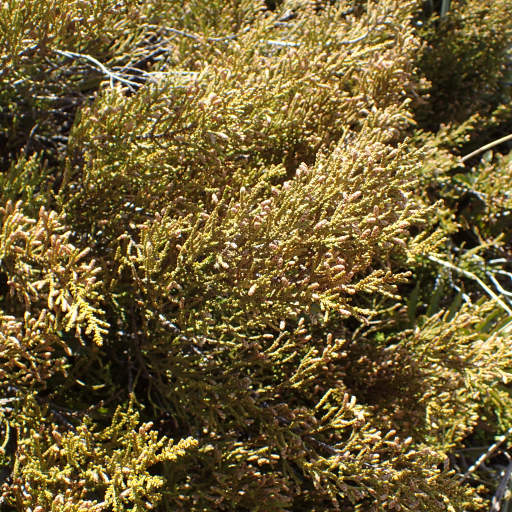
Known as the Prostrate Pigmy Pine or Mountain Rimu, this New Zealand native is a master of disguise. While it belongs to the same family as some of the world’s tallest trees, this "giant" of the alpine world prefers to stay grounded, forming dense, moss-like carpets across rocky slopes. It is a botanical paradox—a true conifer that behaves like a groundcover.
🔍 How to Identify
- 🌿 The Foliage: It features two distinct types of leaves; young plants have soft, needle-like leaves, while adults sport tiny, overlapping scales that look like braided green or bronze rope.
- 🛤️ Growth Habit: Unlike its upright cousins, this plant is "prostrate," meaning it sprawls along the ground, often forming mats that are only a few inches high but several feet wide.
- 🍓 The "Fruit": Technically a conifer, it doesn't produce woody cones. Instead, it grows a single seed sitting atop a fleshy, bright red or orange base (an aril) that looks like a tiny berry.
🏡 In Your Garden
- 🏔️ The Alpine Specialist: This plant is perfect for rock gardens or "alpine troughs." It demands a cool, moist root zone and hates the sweltering heat of tropical or inland summer afternoons.
- 💧 Acidic Aspirations: It thrives in peaty, acidic soils that mimic the boggy mountain moorlands of the Southern Alps. If your soil is alkaline or heavy clay, it will likely struggle to establish its delicate root system.
⚠️ Safety & Toxicity
- ✅ Non-Toxic: Lepidothamnus laxifolius is generally considered safe and non-toxic to humans, dogs, and cats.
- 🧤 Gentle Touch: Unlike many conifers that have sharp, prickly needles, the Prostrate Pigmy Pine is relatively soft to the touch, making it a "friendly" choice for pathsides where skin might brush against it.
✨ Fun Fact
Despite its humble appearance, this is officially recognized as one of the smallest conifers in the world. It is a "living fossil" from the ancient supercontinent of Gondwana, having survived for millions of years by hugging the freezing mountain ground to stay warm.

Detailed Care Instructions

Place in a bright room that is sun drenched almost all day. Or directly in a south-facing window.

When the top few inches of soil dry out, water your plants. If the top few inches of soil are still moist, do not water your plant. Wait a few days, then poke your finger into the soil to see if anything has changed. Overwatering poses a disease risk, such as the development of fungal diseases in the roots. These plants have adaptations in there leaves that allow them to survive in low water supply.








