Plant Overview
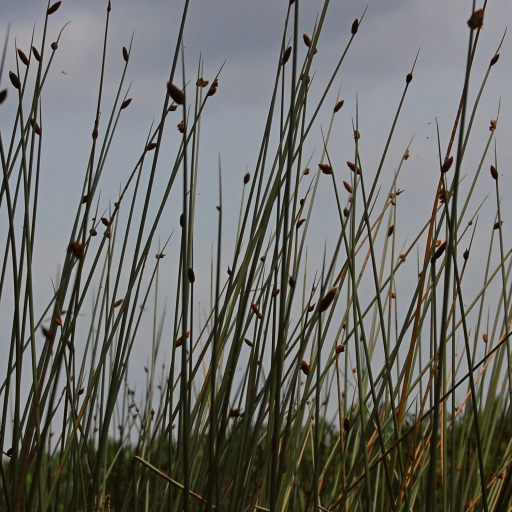
Meet the Lepironia articulata, often called the "Grey Sedge" or "Tube Sedge." This elegant, architectural plant is a star of wetlands across Southeast Asia, Madagascar, and Australia, where it looks like a collection of tall, minimalist drinking straws rising from the water. In many cultures, it isn't just a plant—it's a vital resource for traditional weaving and a modern hero in the movement toward eco-friendly living.
🔍 How to Identify
- 🌿 The Stems: The most striking feature is its long, cylindrical, hollow stems. They are typically a sophisticated blue-grey or olive-green and can reach heights of up to two meters.
- 🌾 The Flowers: Look for small, nut-brown, cone-like flower clusters. Interestingly, these appear to grow from the side of the stem, just a few inches below the very tip.
- 🍂 The Leaves: You won’t see typical leafy foliage here. The "leaves" are actually reduced to simple, papery brown sheaths that wrap tightly around the base of the stem.
🏡 In Your Garden
- 💧 Wetland Warrior: This plant is an "obligate wetland species," meaning it thrives in permanent water. It is the perfect choice for the margins of ponds, water features, or boggy areas where other plants would suffer from root rot.
- 🧹 Bio-Filtration Hero: Beyond its looks, it is a powerhouse at cleaning water. It is frequently used in "constructed wetlands" to filter nutrients and pollutants out of pond water or greywater systems.
- 🌱 Contained Growth: Because it spreads via underground rhizomes, it can be quite vigorous. If you have a small garden pond, it is best to plant it in a submerged pot to prevent it from wandering too far.
⚠️ Safety & Toxicity
- ✅ Status: Non-toxic.
- 🐾 Details: This plant is generally considered safe for humans, dogs, and cats. It lacks the sharp, "saw-like" edges found on many other sedge species, making it much friendlier for households with curious pets or children.
✨ Fun Fact
- ✨ The Living Straw: Lepironia articulata is currently a superstar in the fight against plastic! In countries like Vietnam, the hollow stems are harvested, cleaned, and sold as "Purun straws"—a 100% natural, biodegradable alternative to plastic drinking straws that doesn't get soggy like paper versions.

Detailed Care Instructions
To grow Lepironia articulata, also known as jointed rush, you can follow these steps:
- Choose the suitable location: Lepironia articulata requires a wet or boggy environment, such as near a pond, in a marsh, or a damp area in the garden. It prefers full sun but can tolerate partial shade.
- Prepare the soil: The soil should be rich in organic matter, loamy, and well-draining. If the soil is compacted, you may need to amend it with organic compost or sand to improve drainage.
- Planting: Lepironia articulata can be grown from seeds or rhizome divisions. If using seeds, sow them onto the soil surface and gently press them to ensure proper contact. Keep the soil moist but not waterlogged. If using rhizome divisions, dig a hole slightly larger than the roots and place the rhizomes horizontally, covering them with soil.
- Watering: Lepironia articulata requires constant moisture, so keep the soil consistently damp. If the water source is limited, you might need to irrigate regularly to meet its needs. The plant should never dry out, but also ensure that it doesn't sit in standing water for prolonged periods.
- Fertilization: Jointed rush doesn't require heavy fertilization. However, an annual application of a balanced slow-release fertilizer in spring can help maintain healthy growth. Follow the manufacturer's instructions for proper application.
- Maintenance: Regularly remove any dead or yellowing foliage to promote fresh growth. Control weeds around the plant by hand pulling or using organic mulch as necessary. Avoid using herbicides or pesticides as they can harm Lepironia articulata and its surrounding ecosystem.
- Propagation: Lepironia articulata can be propagated by dividing mature clumps. After a few years, the plant will form a dense, mat-like structure, which can be divided using a sharp knife or spade. Replant the divisions as separate clumps.
Remember, Lepironia articulata is a water-loving plant, and the success of its growth depends on maintaining suitable moisture levels. Monitor the plant closely and adjust watering as necessary to keep the soil consistently damp.
To properly water this plant, it is important to ensure that the soil is evenly moist but not waterlogged. Before watering, ensure that the top inch of soil is dry to the touch. When watering, avoid getting water on the leaves or flowers as this may cause damage. It is also important to use room temperature, filtered water to avoid shocking the plant with sudden temperature changes. Watering frequency will depend on the environment and season, but as a general rule, water the plant once a week during the growing season and reduce watering frequency during the dormant season.
To ensure optimal growth for this plant, it is recommended to fertilize it during the growing season with a balanced fertilizer, such as a 10-10-10 NPK (Nitrogen, Phosphorus, Potassium) mix. Apply the fertilizer every 2-3 weeks at a rate of 1 tablespoon per gallon of water. It is important to water the plant thoroughly before and after fertilizing to prevent burning the roots. Additionally, it is recommended to avoid fertilizing the plant during the dormant season, as it may not be able to absorb the nutrients effectively.
Lepironia articulata plants thrive in moist and well-drained soils that are rich in nutrients. The ideal soil for these plants is a mixture of organic materials such as compost, peat moss, and sandy loam. The pH level of the soil should be slightly acidic, ranging from 5.5 to 6.5. It is important to avoid using soils that are too heavy or compact, as they can cause waterlogging and inhibit proper root growth. In addition, Lepironia articulata plants prefer soils that are high in nitrogen and phosphorus, which can be achieved by adding fertilizers or compost to the soil. Overall, the soil should be well-aerated and retain moisture without becoming water-logged.
To propagate this plant, take a healthy and mature stem cutting from the parent plant. The stem should be at least 10 cms long and have several leaves. Use a sharp and sterilized cutting tool to avoid any potential damage or disease.
Next, remove the lower leaves of the cutting so that only two or three leaves remain on the top. Dip the cut end of the stem into rooting hormone powder to promote root development.
Prepare a pot with well-draining soil and make a hole in the soil with a pencil or similar tool. Insert the stem cutting into the hole and gently firm the soil around it. Water the cutting and place it in a bright but shaded area.
Keep the soil moist but not waterlogged, and avoid direct sunlight. In a few weeks, roots will start to develop, and new leaves will appear. Once the plant has established itself, transplant it into a bigger pot or in the ground if desired.








