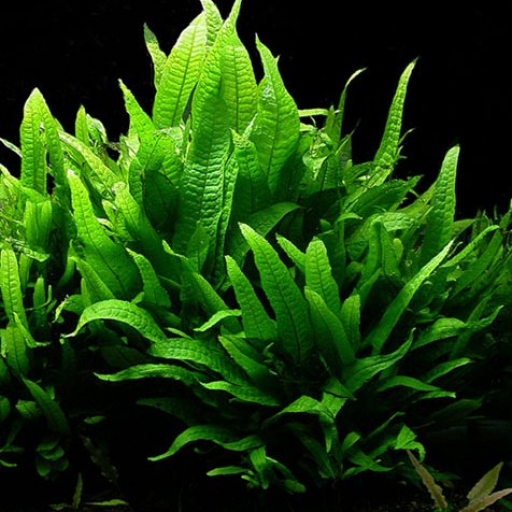
Plant Overview
Known affectionately by hobbyists as the Java Fern, Leptochilus pteropus is the undisputed "indestructible" king of the aquarium world. Originating from the humid jungles of Southeast Asia, this versatile plant can grow submerged in water or clinging to damp rocks near forest streams. It is a staple for beginners because it thrives in conditions that would cause most other aquatic plants to wither away.
🔍 How to Identify
- 🌿 Leathery Fronds: The leaves are long, lance-shaped, and possess a tough, leathery texture with a distinct "veiny" appearance under bright light.
- 🌱 The Rhizome: Unlike traditional plants, it features a thick, horizontal green stem called a rhizome. This is the "brain" of the plant from which both leaves and roots emerge.
- 🕷️ Fuzzy Roots: It produces thin, dark brown, hair-like roots that look almost like spider legs. These are designed to anchor the plant to surfaces rather than draw nutrients from deep soil.
🏡 In Your Garden (Aquascape)
- 🪵 The "No-Dig" Rule: The most critical care tip is to never bury the rhizome in sand or gravel. If buried, the plant will suffocate and rot. Instead, use fishing line or specialized glue to attach it to driftwood or lava rocks.
- 🌑 Low-Light Specialist: This plant is perfect for those darker corners of an aquarium or terrarium. It actually prefers moderate to low light; too much direct intensity can cause the leaves to turn transparent or develop "burn" spots.
- 💧 Slow and Steady: It is a slow grower, which means it won't take over your tank overnight, but it is also very resistant to algae because its leaves are so tough.
⚠️ Safety & Toxicity
- ✅ Safe Status: Non-toxic and completely safe for fish, shrimp, snails, and curious household pets like cats or dogs who might take a sip from a decorative bowl.
- 👅 The Bitter Taste: While not poisonous, the leaves contain chemicals that make them taste quite bitter. This is a natural defense mechanism—most herbivorous fish, including goldfish and large cichlids, will take one bite and decide to leave the plant alone.
✨ Fun Fact
Leptochilus pteropus has a "magic" way of reproducing. If a leaf becomes old or damaged, it will often grow tiny "baby" ferns directly on its tips or undersides. These miniature clones will eventually develop their own roots and drop off to start a new life elsewhere!

Detailed Care Instructions
To grow a Leptochilus pteropus plant, also known as the Java Fern, you can follow these steps:
- Choose a suitable aquarium or container: Leptochilus pteropus is commonly grown in aquariums, but you can also grow it in other containers like pots or terrariums. Ensure the container has enough space for the plant to grow and is filled with appropriate planting medium.
- Prepare the planting medium: Leptochilus pteropus prefers a substrate that is rich in nutrients. You can use a mix of aquarium soil, peat moss, and gravel or sand to create a suitable planting medium. This will provide the fern with the necessary nutrients.
- Consider lighting requirements: Leptochilus pteropus can thrive in both low and moderate lighting conditions, but it prefers moderate light intensity. It is essential to provide artificial light if natural light is insufficient.
- Choose the right water parameters: Leptochilus pteropus prefers slightly acidic to neutral water with a pH range of 6 to 7.5. It also requires water that is soft to moderately hard. Maintain the water temperature between 70 and 82°F (21 and 28°C).
- Position the plant: The rhizome, the thick horizontal root-like stem, should be anchored but not buried in the substrate. It should be above the substrate, or the plant can be attached to driftwood or rocks using fishing line or thread until it establishes roots.
- Maintain good water quality: Leptochilus pteropus benefits from clean water conditions. Use a filter to remove pollutants and debris, and perform regular water changes to maintain water quality.
- Fertilize the plant: Leptochilus pteropus benefits from additional nutrients. You can use liquid fertilizers specifically formulated for aquarium plants or place root tabs in the substrate near the plant's roots.
- Prune and maintain the plant: As the Leptochilus pteropus grows, it may produce daughter plants or new leaves. Trim any damaged or dying leaves and prune to keep the plant in an aesthetically pleasing shape.
By following these steps and providing the appropriate care, you can successfully grow a Leptochilus pteropus plant. Remember to regularly monitor the plant's health and make adjustments as necessary to ensure its well-being.

Place in a window with dappled sun or a spot in the middle of a room. Or directly in a window facing west or east.

Leptochilus Pteropus is a type of plant that requires a specific watering routine in order to thrive. It is important to keep in mind that overwatering or underwatering this plant can be detrimental to its health and growth.
When watering Leptochilus Pteropus, it is recommended to use room-temperature water that has been allowed to sit for 24 hours. This will allow any chlorine or other chemicals in the water to dissipate, which can be harmful to the plant.
It is best to water the soil around the plant rather than the leaves or stem. This will help prevent any water from getting trapped in the crown of the plant, which can lead to rot.
The frequency of watering will depend on the environment in which the plant is growing. In general, it is recommended to water Leptochilus Pteropus once the top 1-2 inches of soil have dried out. This may be more or less frequent depending on the temperature, humidity, and size of the pot.
It is important to note that Leptochilus Pteropus prefers a slightly damp soil, but it is important to avoid letting the plant sit in water. If the soil is consistently waterlogged, the roots can begin to rot and the plant may eventually die.
Overall, providing a consistent and appropriate watering routine is an essential part of caring for Leptochilus Pteropus and ensuring its health and growth.
To fertilize this plant, use a balanced liquid fertilizer every two weeks during the growing season. Dilute the fertilizer to half strength and water the plant thoroughly before adding the fertilizer. Avoid fertilizing during the winter months when the plant is dormant.
The ideal soil for Leptochilus Pteropus plant should be well-draining and rich in organic matter. The soil should have good water holding capacity to keep the roots of the plant moist. A slightly acidic soil with a pH range of 5.5 to 6.5 is preferable. The soil should also be loose and aerated, providing ample space for the plant's roots to grow. It is essential to avoid using heavy clay soils that tend to become compacted and limit the growth of the plant. Adding coarse sand or perlite to the soil mixture can help increase the drainage and aeration of the soil, promoting the healthy growth of the plant. It is also recommended to fertilize the soil periodically with a balanced liquid or granular fertilizer to provide the plant with essential nutrients.
One method of propagating this plant is by taking stem cuttings. Select a healthy, mature stem and cut it just below a node using clean pruning shears. Remove the lower leaves from the stem, leaving only a few at the top. Dip the cut end in rooting hormone powder and place it in a well-draining potting mixture. Moisten the soil and cover the cutting with a plastic bag to increase humidity. Place the pot in a warm and bright location, but avoid direct sunlight. Keep the soil moist and mist the cutting regularly. After a few weeks, roots should start to develop and new growth should appear. Once the new plant has established itself, it can be transferred to a larger pot or planted in the ground.








