Plant Overview
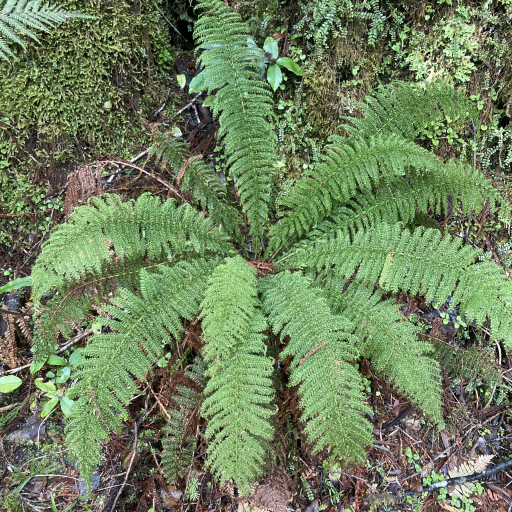
Known as the Prince of Wales Feathers or the Crape Fern, this New Zealand native is often cited as one of the most beautiful ferns in the world. It earns its royal nickname from its lush, upright fronds that arch gracefully, mimicking the plumes of a ceremonial headdress. In the damp, shadowy forests of its homeland, it creates an ethereal, prehistoric atmosphere that feels like a scene straight out of a fantasy novel.
🔍 How to Identify
- 🌿 Feathered Fronds: The leaves are incredibly dense and tri-pinnate, giving them a thick, "wooly" appearance that is soft to the touch.
- 💎 Translucent Texture: If you hold a frond up to the light, you’ll see it is "pellucid"—meaning the leaves are only a few cells thick and almost transparent.
- 🪵 The Miniature Trunk: Unlike many garden ferns, older specimens develop a short, stout, woody trunk (caudex) that can grow up to 30 or 40 centimeters tall.
🏡 In Your Garden
- ☁️ The Humidity Hunter: This plant is a "filmy fern," meaning it lacks the protective waxy coating most plants have. It requires extremely high humidity and constant moisture; in dry indoor air, its delicate fronds will shrivel almost instantly.
- 🌑 Deep Shade Specialist: In the wild, it lives on the dark forest floor. In a garden or home, it must be kept away from direct sunlight, which will scorch its thin tissues. It thrives in cool, damp spots where other plants might struggle with the lack of light.
⚠️ Safety & Toxicity
- ✅ Safe for All: Leptopteris superba is considered non-toxic to humans, cats, and dogs.
- 🧤 Fragile Beauty: While it isn't poisonous, the plant itself is physically vulnerable. The fronds are easily damaged by heavy handling or "petting," so it is best kept in a location where it won't be brushed against by passersby.
✨ Fun Fact
Because its leaves are so incredibly thin (sometimes only a single cell thick!), the Prince of Wales Feathers can actually "breathe" and absorb water directly through its foliage, acting more like a sponge than a traditional leaf.

Detailed Care Instructions

Place in a window with dappled sun or a spot in the middle of a room. Or directly in a window facing west or east.
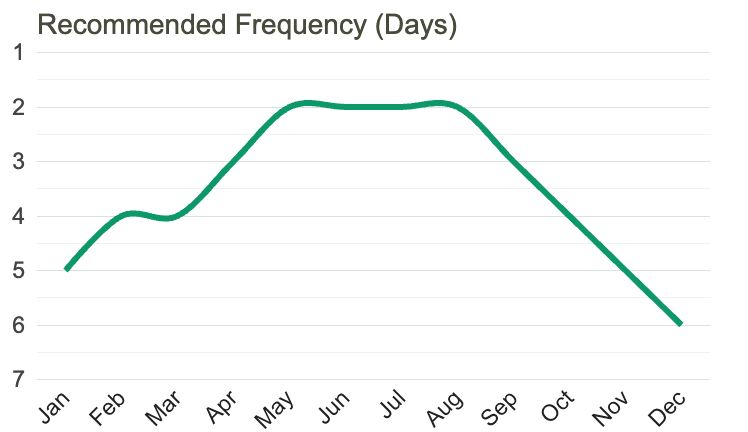
To water this particular plant, it is important to ensure that the soil is kept consistently moist, without becoming waterlogged. This can be achieved by watering the plant thoroughly, allowing any excess water to drain away, and then checking the soil regularly to ensure that it remains moist. It is also important to avoid allowing the plant to become too dry, as this can cause the leaves to wilt and brown. Regular watering, along with adequate light and proper soil conditions, can help to keep this plant healthy and vibrant.
Leptopteris Superba is a plant that prefers well-draining soil with high organic content. The soil should be moderately fertile and slightly acidic, with a pH level between 5.5 to 6.5. Sandy loam or loamy soil with good drainage is considered ideal for the growth of this plant. It is important to ensure that the soil is kept moist but not waterlogged, as excessive moisture can lead to root rot and other issues. The soil should be enriched with organic matter like compost or well-rotted manure to promote healthy growth. It is recommended to avoid heavy clay soil as it does not provide adequate drainage for the plant's roots. A regular soil testing and amending with fertilizers may be necessary depending on the results of the analysis.








