Plant Overview
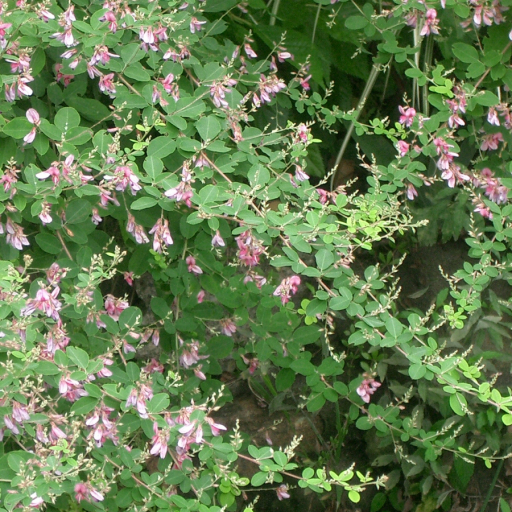
Often called the Shrub Bushclover, Lespedeza bicolor is a fountain of purple blooms that seems to defy the cooling temperatures of late summer. In Japan, it is celebrated as one of the "Seven Flowers of Autumn," appearing frequently in classical poetry as a symbol of elegance and the fleeting nature of time. While it looks like a soft, weeping willow covered in peas, it is a hardy nitrogen-fixer that can turn the poorest soils into a thriving green space.
🔍 How to Identify
- 🌸 The Blooms: Features clusters of small, pea-like flowers that are typically a vibrant rosy-purple or "bicolor" pink. They hang in long, drooping racemes that create a "waterfall" effect.
- 🍃 The Foliage: Leaves are trifoliate (arranged in groups of three), similar to a large clover. They are a dusty, grayish-green and have a soft, matte texture.
- 🌿 The Stems: It grows as a multi-stemmed shrub with arching, slender branches that can reach up to 10 feet tall. Even though it is woody, it often behaves like a perennial in colder climates, dying back to the ground.
🏡 In Your Garden
- 🌱 Soil Architect: As a member of the legume family, this plant "fixes" nitrogen into the soil through its roots. It is an excellent choice for stabilizing slopes or reclaiming areas with depleted, sandy, or rocky soil.
- ✂️ The Winter Chop: Because it blooms on "new wood" (the growth produced in the current year), you can prune it heavily in late winter. Cutting it back to just a few inches above the ground ensures a tidier shape and a massive explosion of flowers in August.
- 🦋 Wildlife Magnet: It is a vital nectar source for late-season butterflies and bees. In the winter, its tiny seed pods provide a high-protein snack for birds like Northern Bobwhites and wild turkeys.
⚠️ Safety & Toxicity
- ✅ Generally Safe: Lespedeza bicolor is not considered toxic to humans, dogs, or cats. It is often used in land restoration specifically because it is safe for local wildlife.
- 🚫 Invasive Alert: While safe to touch, this plant can be "dangerous" to your local ecosystem. In parts of the Southeastern United States, it is considered an invasive species because it spreads rapidly via seed and can crowd out native wildflowers. Always check your local plant registry before planting.
✨ Fun Fact
In Japanese culture, the Bushclover is known as Hagi. It is a traditional motif for "Hanafuda" (Japanese playing cards) for the month of July, and its seeds were historically ground into a flour used to make dumplings during autumn festivals.

Detailed Care Instructions
| Humidity | Normal |
| Lighting | Part Sun |
| Difficulty | Medium |
| Hibernation | Cold Period |
| Hardiness Zones | 4 - 8 |
To grow Lespedeza Bicolor, also known as bicolor lespedeza, follow these steps:
- Choose the right location: Select a well-draining area with full sun exposure. Lespedeza Bicolor requires at least 6-8 hours of direct sunlight daily.
- Prepare the soil: Ensure the soil is loose, fertile, and has a pH range of 6.0-7.5. If the soil is heavy or clay-like, amend it with organic matter like compost to improve drainage.
- Planting: Lespedeza Bicolor can be propagated from seeds or cuttings. If using seeds, soak them in water for 24 hours before planting. Sow the seeds in early spring or fall, about 1/4 inch deep and 12-18 inches apart. If using cuttings, dig a hole deep enough to accommodate the roots and gently place the cutting in the hole, filling it with soil and patting it down.
- Watering: Water the newly planted seeds or cuttings thoroughly to ensure good soil contact. After that, provide regular waterings, especially during dry spells. Avoid overwatering, as excessive moisture can lead to root rot.
- Mulching: Apply a layer of organic mulch around the plants to suppress weeds and retain moisture. This will help conserve water and keep the soil temperature consistent.
- Fertilizing: Lespedeza Bicolor is a legume and can fix its nitrogen from the air. However, if the soil is poor, you can fertilize it with a balanced organic or slow-release fertilizer in early spring.
- Maintenance: Remove any weeds that compete with your Lespedeza Bicolor plants. Prune the plants in early spring or after flowering to remove dead or damaged branches and to promote bushier growth.
- Winter care: Lespedeza Bicolor is generally hardy, but in areas with severe winters, it may benefit from a layer of mulch or straw to provide insulation and protect the roots.
- Pests and diseases: Lespedeza Bicolor is generally resistant to pests and diseases. However, keep an eye out for aphids, leaf miners, and leaf spot diseases. Treat any issues promptly with organic insecticides or fungicides if necessary.
By following these steps, you should be able to successfully grow Lespedeza Bicolor plants in your garden.

Place in a bright room that is sun drenched almost all day. Or directly in a south-facing window.

1. Determine the watering requirements: Before watering, it is important to know how much water the plant needs. Research the watering requirements of the plant to determine the frequency and amount of water necessary.
2. Check the soil moisture: Before watering, check the soil moisture level by sticking your finger a few inches into the soil. If it feels dry to the touch, it is time to water. If it feels damp, wait a few more days before checking again.
3. Water deeply: When watering, it is important to water deeply to encourage deep root growth. This means watering until the soil is moist to a depth of at least 6 inches. Avoid shallow watering as this will encourage surface root growth, which can make the plant more susceptible to drought.
4. Use the right amount of water: Use the recommended amount of water for the plant. Overwatering can lead to root rot and other issues, while underwatering can cause the plant to wilt and die.
5. Water at the right time: Water the plant early in the morning or in the evening to avoid evaporation due to heat and direct sunlight.
6. Use a watering can or hose: Use a watering can or hose with a gentle spray nozzle to water the plant. This will prevent damage to the plant and ensure an even distribution of water.
7. Monitor the plant: After watering, monitor the plant for signs of distress or overwatering. Adjust the watering schedule as needed to ensure the plant remains healthy and hydrated.
For best results, apply a balanced fertilizer (10-10-10 or similar) in the early spring, just as new growth begins to emerge. Follow package instructions for application rates, as over-fertilizing can harm the plant. Water well after fertilizing to ensure nutrients are absorbed by the roots. Avoid fertilizing during periods of drought or heat stress, as this can also damage the plant.
The ideal soil for this particular plant is well-draining and rich in organic matter. It prefers a slightly acidic to neutral soil pH, with a range between 5.5-7.0. The plant also prefers a soil that is moderately fertile and not too heavy or compacted, allowing for good root development. It is important to ensure that the soil is moist but not waterlogged, as this can lead to root rot. Incorporating compost or other organic matter into the soil before planting can help to improve soil structure and fertility, leading to more robust growth and flowering.
To propagate this plant, you will need to take stem cuttings from a healthy parent plant. Choose a stem that is young and healthy, with several leaf nodes. Cut the stem at a 45-degree angle using a clean, sharp pair of scissors.
Remove the lower leaves from the stem, leaving only the top two or three leaves. Dip the end of the stem into a rooting hormone, which will help it develop roots.
Prepare a pot with well-draining soil and make a small hole in the soil. Insert the stem into the hole and gently press the soil around it, making sure that the bottom leaves are covered with soil.
Water the cutting thoroughly and place it in a warm, humid location. Cover the pot with plastic wrap to create a mini greenhouse, which will trap humidity around the cutting and help it root.
Check the cutting regularly and keep the soil moist but not waterlogged. After a few weeks, the cutting should start to develop roots. You can test this by gently tugging on the stem; if it resists, roots have started to form.
Once the cutting has developed a substantial root system, you can transplant it to a larger pot or out in the garden. Make sure to keep it well-watered and protected from direct sunlight until it has fully acclimated to its new environment.








