Plant Overview
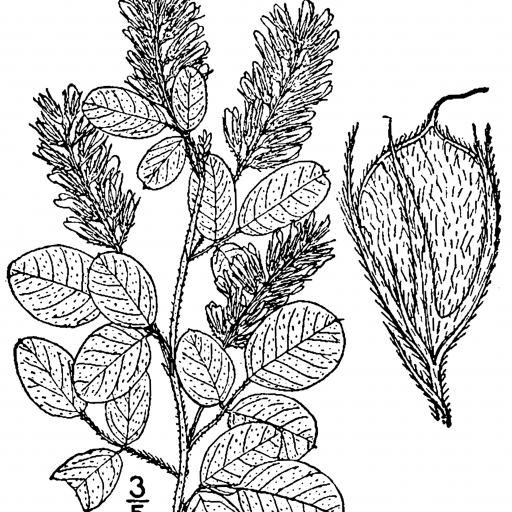
Often called the Hairy Bush Clover, Lespedeza hirta is a rugged and handsome native of North American meadows and open woodlands. Its name comes from the dense, velvety fuzz that covers its stems, acting like a tiny suit of armor against thirsty insects and the drying sun. This plant is a "pioneer species," often being among the first to move into tired soil to help restore its nutrients.
🔍 How to Identify
- 🍀 The Leaves: It features classic clover-like "trifoliate" leaves (sets of three) that are grayish-green and slightly rounded at the tips.
- 🌸 The Bloom: Look for dense, elongated spikes of creamy-white flowers. If you look closely, each tiny blossom has a striking magenta or purple "bee guide" spot at its center.
- 🧶 The Texture: The most telling feature is the stem; it is exceptionally hairy, giving the entire plant a soft, silvery-matte appearance from a distance.
🏡 In Your Garden
- 🌱 Soil Architect: As a member of the pea family, this plant is a nitrogen-fixer. It actually improves the soil it grows in by pulling nitrogen from the air and depositing it into the ground through its roots.
- 🦋 Wildlife Magnet: It is a vital host plant for several species of butterflies, including the Eastern Tailed-Blue. In the winter, its sturdy seed heads remain standing, providing a crucial food source for bobwhite quails and wild turkeys.
⚠️ Safety & Toxicity
- ✅ Safe Standing: Lespedeza hirta is generally considered non-toxic to humans, dogs, and cats. It lacks the prickles or caustic saps found in some other wild legumes.
- 🦌 Deer Resistance: While it isn't completely "deer-proof," many herbivores find the fuzzy, hairy texture of the leaves unappealing, meaning it often survives in areas with high deer populations.
✨ Fun Fact
Unlike many wildflowers that wither and collapse after the first frost, the Hairy Bush Clover turns a beautiful bronze-brown and remains stiffly upright all winter, earning it the nickname "winter interest" among native plant enthusiasts.

Detailed Care Instructions
To grow Lespedeza hirta, also known as hairy lespedeza or bush clover, follow these steps:
- Select a suitable planting location: Choose a site with full sun to partial shade and well-draining soil. Lespedeza hirta prefers slightly acidic soil but can tolerate a wide range of soil types.
- Prepare the soil: Remove any weeds, rocks, or debris from the planting area. Loosen the soil with a garden fork or tiller to improve drainage and aeration.
- Sow the seeds: Lespedeza hirta can be grown from seeds. Scatter the seeds evenly over the prepared soil, or you can plant them in rows about 18-24 inches (45-60 cm) apart. Lightly press the seeds into the soil, ensuring good seed-to-soil contact.
- Water the seeds: After sowing, water the soil thoroughly but gently to provide adequate moisture for seed germination. Keep the soil consistently moist, but avoid overwatering, as it can cause the seeds to rot.
- Maintain the plants: Once the seedlings emerge, thin them to allow enough space for proper growth. Space the plants about 12-18 inches (30-45 cm) apart. Mulching around the plants can help suppress weeds and retain soil moisture.
- Provide adequate water: Lespedeza hirta requires regular watering, especially during dry periods. Water deeply but infrequently, allowing the soil to dry out slightly between watering sessions.
- Fertilize if needed: If your soil is poor or lacking essential nutrients, you can fertilize the plants with a balanced, slow-release fertilizer following the manufacturer's instructions.
- Prune if desired: While not necessary, you can prune Lespedeza hirta plants in late winter or early spring to promote compact growth. Pruning also encourages the plant to produce more flowers.
- Watch for pests and diseases: Lespedeza hirta is generally resistant to pests and diseases. However, keep an eye out for aphids, grasshoppers, or leaf spot diseases. If necessary, treat the affected plants with organic insecticides or fungicides.
- Harvesting seeds (optional): If you want to save seeds for future plantings, allow the flowers to fully mature and dry on the plant. Harvest the dried seedpods and store them in a cool, dry place until planting season.
By following these steps, you can successfully grow Lespedeza hirta plants in your garden.

Place in a bright room that is sun drenched almost all day. Or directly in a south-facing window.

Lespedeza Hirta is a plant that requires regular watering to establish itself and thrive. When watering this plant, it is important to avoid over-watering, as this can result in root rot and other diseases.
To water Lespedeza Hirta, first, check the soil moisture level by inserting your finger into the soil up to an inch deep. Water the plant only when the top inch of soil feels dry to the touch.
When watering, aim to keep the soil moist but not soaking wet. Water the plant slowly and deeply, making sure that the water reaches the plant's roots, as this is where it will be most beneficial.
To prevent water from pooling around the plant's base, use a watering can or a hose with a gentle spray nozzle. Avoid getting water on the plant's leaves or flowers, as this can encourage fungal growth.
During periods of drought, increase the frequency of watering to ensure the plant receives enough water. In addition, it is important to mulch around the base of the plant to help retain moisture in the soil.
By following these watering tips, you can help ensure that Lespedeza Hirta thrives and produces beautiful blooms.
To fertilize this plant, start by selecting a well-balanced fertilizer that is high in phosphorus. Apply the fertilizer to the soil around the base of the plant, making sure to distribute it evenly. Water the plant thoroughly to help the fertilizer soak into the soil. Repeat this process every four to six weeks throughout the growing season. Avoid over-fertilizing, as this can lead to excessive foliage growth and reduce the plant's overall health.
The soil type suitable for growing Lespedeza Hirta plant should be well-draining and rich in nutrients. It needs to be a loamy soil that is not heavy or compacted. The pH level of the soil should be slightly acidic or neutral, with a range of 6.0 to 7.0. It should be watered regularly, but make sure not to overwater. Lespedeza Hirta plant prefers full sun or partial shade to grow well. It can also benefit from organic material such as compost or mulch added to the soil to improve its structure and fertility.
Lespedeza Hirta plant can be propagated by collecting seeds from the flower heads of mature plants. The seeds should be collected when the pods have turned brown and are starting to dry out. After the seeds are collected, they should be stored in a cool, dry place until ready to use.
To plant the seeds, prepare a seedbed by removing debris and loosening the soil. The soil should be well-draining and contain organic matter. The seeds can be sown directly on the seedbed and lightly covered with soil. They should be watered regularly, but be careful not to overwater.
Another method of propagation is by taking stem cuttings from the plant. Choose a healthy stem with several leaves and a node (the area where leaves attach to the stem). Cut the stem at an angle and remove the lower leaves. Dip the cutting in rooting hormone and plant it in well-draining soil. The cutting should be kept moist and out of direct sunlight until it roots.
Both methods of propagation should be done in the spring when the plant is actively growing. With proper care and attention, the new plants will grow and thrive.








