Plant Overview
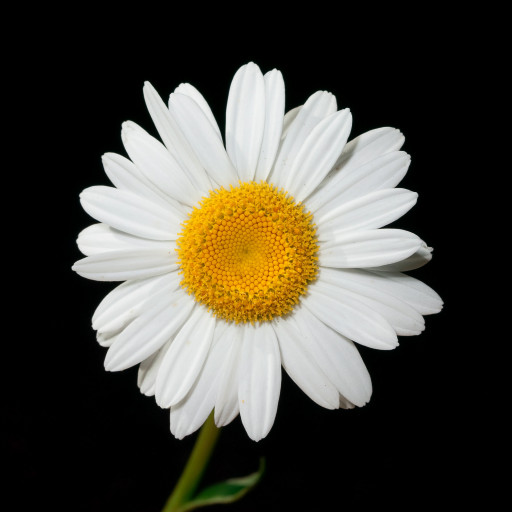
Known as the quintessential "friendly" flower, the Leucanthemum—popularly known as the Daisy—is the universal symbol of innocence and summer. Often called the "Fried Egg Plant" for its sunny yellow center and crisp white petals, these perennials have been a staple in folklore for centuries, most famously used in the "he loves me, he loves me not" game of chance.
🔍 How to Identify
- 🌼 The Bloom: A classic composite flower featuring a bright golden-yellow central disc surrounded by ray-like, pure white petals.
- 🍃 The Foliage: Leaves are typically dark green, lance-shaped, and may have slightly toothed or lobed edges, forming a dense basal rosette.
- 🌱 Growth Habit: They usually grow in sturdy, upright clumps that can reach anywhere from 1 to 3 feet tall, depending on the specific variety.
🏡 In Your Garden
- ☀️ Sun Seekers: These plants are sun-worshippers that require bright light to keep their stems strong; in too much shade, they tend to "flop" over as they stretch toward the light.
- ✂️ The Deadheading Trick: To keep the display going all summer, you must pinch off the faded blooms; this prevents the plant from putting energy into seeds and forces it to produce more flowers.
- 🌿 Division is Key: Daisies are vigorous growers and can become overcrowded every few years; digging them up and dividing the root clump in early spring keeps the "mother plant" healthy and youthful.
⚠️ Safety & Toxicity
- 🐾 Pet Sensitivity: While not usually life-threatening, Leucanthemum contains sesquiterpene lactones, which can cause vomiting, diarrhea, or incoordination in dogs and cats if eaten in large quantities.
- 🖐️ Skin Irritation: Some gardeners may experience "Compositae dermatitis"—a mild skin rash or itchiness—after handling the leaves or stems with bare hands.
✨ Fun Fact
The name "Daisy" is actually a contraction of the Old English words "daeges eage," which translates to "day's eye." This is because the flower heads close up at night and open again at the very first light of dawn.

Detailed Care Instructions
To grow Leucanthemum plants, also known as daisies or Shasta daisies, follow these steps:
- Choosing the right location: Leucanthemums prefer full sun, so select a spot in your garden that receives at least 6-8 hours of direct sunlight per day. They can tolerate some light shade but may result in fewer flowers.
- Soil preparation: Leucanthemums thrive in well-draining soil that is enriched with organic matter. Prior to planting, loosen the soil and remove any weeds or debris. If your soil is heavy or clay-like, consider adding compost or well-rotted manure to improve drainage.
- Planting: Leucanthemum plants can be started from seeds or purchased as established plants from a nursery. If starting from seeds, sow them indoors 6-8 weeks before the last frost date or directly in the garden in early spring. If using established plants, dig a hole slightly larger than the root ball and place the plant in the hole. Fill the hole with soil and gently tamp it down, ensuring the crown of the plant (where the stem meets the roots) is level with the soil surface.
- Watering: Water newly planted Leucanthemum regularly to help establish a strong root system. Once established, they are relatively drought-tolerant and require watering only during dry spells. Water deeply but infrequently, allowing the top few inches of soil to dry out between waterings. Avoid overwatering, as it can lead to root rot.
- Fertilizing: Leucanthemums usually do not require heavy feeding. However, you can apply a balanced, slow-release fertilizer in the spring to promote healthy growth and blooming. Follow the manufacturer's instructions for application rates.
- Pruning: Deadheading (removing spent flowers) encourages continuous blooming throughout the season. Cut the flower stems back to the nearest leaf cluster or shoot after the flowers fade. In late autumn or early spring, you can also trim back the foliage to about 3-4 inches above the ground to maintain a neat appearance.
- Pests and diseases: Leucanthemums are generally resistant to pests and diseases. However, occasional issues may include aphids, slugs, or powdery mildew. Monitor your plants regularly and take appropriate measures if needed, such as using insecticidal soap for aphids or creating a slug barrier.
By following these steps and providing proper care, your Leucanthemum plants should grow and bloom beautifully. Enjoy the lovely daisies in your garden!

Place in a bright room that is sun drenched almost all day. Or directly in a south-facing window.

To water this plant, first, check the soil moisture level by digging your finger into the soil up to the first knuckle. If the soil feels dry, then it is time to water the plant. Use a watering can or hose to water the plant thoroughly, aiming for the soil around the base of the plant rather than watering the foliage. Water until the soil is moist, but not saturated, as overwatering can cause the roots to rot. Watering in the morning is best, as it allows the leaves to dry quickly and reduces the risk of disease. Avoid watering during the hottest part of the day, as the water can evaporate too quickly, and water droplets on the leaves can damage them.
For optimal growth and bloom, apply a balanced fertilizer in the early spring before new growth emerges, and once again in mid-summer. Choose a slow-release fertilizer with equal amounts of nitrogen, phosphorus, and potassium (e.g. 10-10-10). Apply according to package instructions, taking care not to over-fertilize as this can lead to burned or damaged plants. Water thoroughly after fertilizing.
The ideal soil for the Leucanthemum plant is a well-draining soil that is rich in organic matter. It should have a pH level of around 6.0 to 7.5 and should be able to hold moisture without becoming too compacted. It is important to ensure that the soil is not too heavy or clay-like as this can lead to poor drainage and root rot. Amending the soil with compost or other organic matter can help improve the soil structure and provide necessary nutrients for the plant's growth. Additionally, adding perlite or vermiculite to the soil can improve drainage and aeration.
Leucanthemum plants can be propagated through several methods such as division, rooting stem cuttings, and seed sowing. Division is usually done in early spring or late summer. To divide the plant, dig up the entire root ball, separate the clumps into smaller pieces, and replant them in their new location.
Stem cuttings can also be taken in early summer. Cut a 4 to a 6-inch-long stem from the mother plant using sterile pruning shears. Remove the lower leaves to expose the bottom nodes. Dip the cut end in rooting hormone powder, and plant it in a pot filled with well-draining potting soil. Keep the cutting in a warm, bright, and humid location, misting it regularly until it develops roots. After about eight weeks, transplant the rooted cutting into its permanent location.
Leucanthemum plants can also be grown from seeds. To do this, collect ripe seeds from the flowers in the fall and store them in a dry and cool place. In the spring, sow the seeds in a seed-starting tray filled with potting soil and keep them moist and warm until germination. Once the seedlings are large enough, transplant them into their permanent location.







