Plant Overview
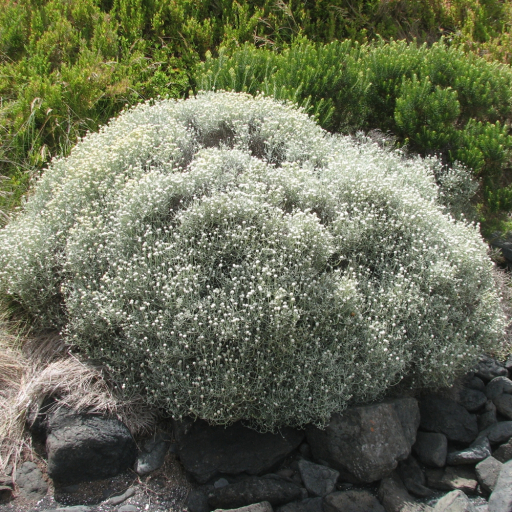
Known by many as the "Cushion Bush" or the "Barbed Wire Bush," this striking Australian native looks less like a traditional plant and more like a shimmering piece of sea coral that wandered onto land. Its tangled, silvery-white stems create a futuristic, minimalist aesthetic that makes it a favorite for modern coastal gardens and "moon gardens" that glow under the night sky.
🔍 How to Identify
- 🧶 Tangled Texture: It grows as a dense, rounded mound of wiry, interlaced stems that look like a ball of silver thread or a tumbleweed.
- 🥈 Silvery Stems: The entire plant is covered in fine, woolly white hairs, which give it a distinct metallic or "ghostly" appearance.
- 🌼 Button Flowers: In late spring and summer, it produces small, inconspicuous pale yellow flower heads at the tips of the stems, looking like tiny glowing buttons.
🏡 In Your Garden
- 🌊 Coastal Warrior: This plant evolved on the rugged cliffs of southern Australia; it is incredibly resistant to salt spray and high winds, making it the ultimate "front-line" plant for seaside homes.
- 🚿 The Drainage Rule: It hates "wet feet" more than almost anything. Because of its delicate root system, it is prone to rot if kept in soggy soil. Plant it in sandy, well-draining substrate and avoid overwatering once established.
- ✂️ Shape & Form: While it naturally forms a cushion shape, a light trim after flowering helps maintain its tight density and prevents the center from becoming woody and bare.
⚠️ Safety & Toxicity
- ✅ Safe Status: Leucophyta brownii is generally considered non-toxic to humans, cats, and dogs.
- 🐾 Pet Friendly: Unlike many ornamental silver plants, it doesn't contain the essential oils or bitter compounds that typically irritate a curious pet’s stomach, making it a safe choice for a family backyard.
✨ Fun Fact
The Cushion Bush's brilliant silver color isn't just for show—the tiny white hairs reflect up to 80% of the sunlight hitting the plant, helping it stay cool and retain moisture in the harsh, baking heat of the Australian coast.

Detailed Care Instructions
| Humidity | Normal |
| Lighting | Full Sun |
| Difficulty | Medium |
| Temperature | 5°C - 25°C |
| Hardiness Zones | 9A - 11B |
To grow Leucophyta brownii (also known as Cushion Bush or Silver Cushion), follow these steps:
- Climate: Leucophyta brownii is native to coastal regions of Australia. It thrives in a Mediterranean climate, characterized by mild, wet winters and hot, dry summers. Ensure that your climate can support the growth of this plant.
- Soil: The plant prefers well-draining soil with a pH between 6.0 and 7.5. Sandy or loamy soil is ideal. Improve the soil's drainage by adding organic matter like compost.
- Location: Choose a location with full sun or partial shade. Leucophyta brownii requires at least 6 hours of direct sunlight daily.
- Planting: Plant rooted cuttings or young seedlings in the spring or early summer, after the last frost. Dig a hole slightly larger than the rootball of the plant and place it in the hole. Backfill with soil and gently press down. Space each plant around 2 feet (60 cm) apart.
- Watering: Leucophyta brownii is drought-tolerant once established. Initially, water the plant regularly to ensure root development. Once established, reduce watering frequency, making sure the soil is slightly dry between waterings.
- Mulching: Apply a layer of mulch around the base of the plant to help retain moisture and reduce weed growth. However, avoid placing mulch directly against the stems, as it can cause rotting.
- Pruning: Prune Leucophyta brownii lightly in early spring to maintain its shape and remove any dead or damaged branches. Avoid heavy pruning, as the plant has a naturally compact growth habit.
- Fertilization: Leucophyta brownii is not a heavy feeder and generally does not require regular fertilization. However, you can apply a balanced slow-release fertilizer in early spring if the plant appears to be lacking vigor.
- Pests and diseases: This plant is relatively pest and disease-resistant. However, keep an eye out for aphids, mealybugs, or fungal infections. Treat these issues using appropriate organic insecticides or fungicides if necessary.
- Propagation: Leucophyta brownii can be propagated through stem cuttings. Take cuttings in late spring or early summer. Choose young stems, around 4-6 inches long. Remove the lower leaves and dip the cut end in rooting hormone. Place the cutting in a well-draining potting mix and keep it moist until it develops roots.
With proper care and suitable growing conditions, your Leucophyta brownii plant should thrive and grow into a beautiful cushion bush.

Place in a bright room that is sun drenched almost all day. Or directly in a south-facing window.

To water the plant which belongs to the Leucophyta Brownii species, it is important to first ensure that the soil is dry to the touch before providing moisture. Overwatering can lead to root rot in this plant. When watering, it is recommended to use a watering can or hose with a gentle spray nozzle to ensure that the water is evenly distributed. Water should be added until it reaches the root ball, and should be allowed to soak in before any excess is drained away. This plant should be watered moderately during its growing season but should be allowed to dry out slightly between waterings. During winter, it should be watered sparingly to prevent over saturation.
To fertilize this plant, mix a balanced fertilizer with equal parts of nitrogen, phosphorus, and potassium and apply it to the soil around the base of the plant. Make sure to follow the instructions on the fertilizer package for how much to apply. Water the plant thoroughly after fertilizing. For best results, fertilize this plant every two to three months during the growing season.
Leucophyta Brownii plant requires well-draining soil that is rich in nutrients and minerals. It is recommended to use a soil mix that contains a mix of sand, perlite, and loam. The soil should be slightly acidic with a pH range of 6.0 to 6.5. Leucophyta Brownii plants are not tolerant of soils that are overly wet, so it's important that the soil is well-draining. Additionally, they prefer soil that is slightly dry rather than constantly moist. To improve the soil quality, you can add organic matter such as compost or peat moss. It's advisable to check the soil regularly to ensure that it is not too wet or too dry.
To propagate the plant, you will need to take stem cuttings from the parent plant. Choose a healthy stem that is about 3-4 inches long and has several nodes along it.
Using a sharp, clean pair of scissors or pruning shears, make a clean cut just below a node. Remove any leaves from the lower half of the cutting, leaving only a few leaves at the top.
Dip the cut end of the stem in rooting hormone powder to encourage root growth.
Fill a small pot with well-draining soil, and make a hole in the center large enough to accommodate the cutting. Insert the cutting into the hole and gently press the soil around the stem.
Water the cutting thoroughly, then cover the pot with a plastic bag or plastic wrap. This will create a humid environment for the plant and help it root faster.
Place the pot in a bright, but indirect light location and keep the soil moist. After a few weeks, you should start to see new growth, which means the cutting has rooted successfully. Once the new plant has several leaves, you can remove the plastic covering and transplant it into a larger container or into the ground.








