Plant Overview
Known as "Oldwood" or Oudehout, this Southern African gem looks like it has survived a thousand winters. Its twisted, gnarled trunk and shimmering silvery foliage give it a mystical, ancient appearance, even when the tree is relatively young. It is a rugged survivor, native to the misty, high-altitude mountain slopes and stream banks of the Drakensberg.
🔍 How to Identify
- 🪵 The Bark: The most striking feature is its shaggy, reddish-brown bark that flakes off in long, papery strips, revealing a weathered look that earns its "Oldwood" nickname.
- 🍃 Serrated Foliage: Small, deeply notched (serrated) leaves that are dark green above and a ghostly silver-white underneath, creating a beautiful shimmering effect in the wind.
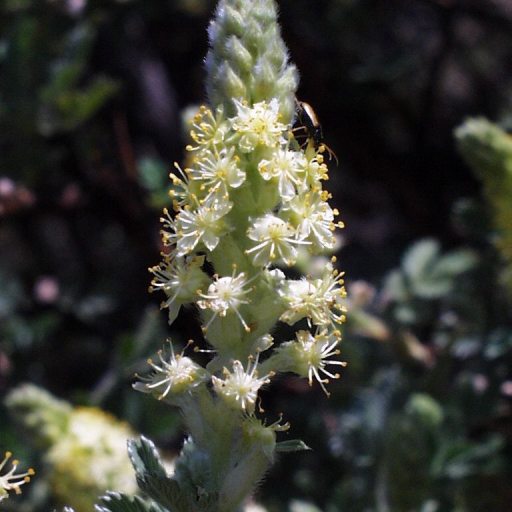
- 🌼 Fuzzy Flowers: In spring, it produces dense, upright spikes of small, greenish-yellow flowers that look like fuzzy, star-shaped candles.
🏡 In Your Garden
- ⛰️ The Pioneer Spirit: In the wild, this is a "pioneer" species, often the first to grow back after a fire or in overgrazed land. In your garden, this means it is incredibly tough and adaptable to poor soil conditions.
- ❄️ Frost Warrior: While many African plants are sensitive to the cold, the Oldwood is exceptionally frost-hardy. It can survive heavy snow and freezing temperatures that would kill other shrubs.
- 💧 Water Preferences: It naturally grows along mountain streams. While it can handle dry spells once established, it will look its most lush and "fairytale-like" if planted in a spot that stays consistently moist.
⚠️ Safety & Toxicity
- ✅ General Safety: Leucosidea sericea is considered non-toxic to humans, dogs, and cats. It is a safe choice for family gardens.
- 🧤 Texture Warning: The fine, silky hairs on the leaves and the dusty, flaky bark can occasionally act as a mild mechanical irritant to people with very sensitive skin or respiratory allergies during heavy pruning.
✨ Fun Fact
The wood of the Leucosidea is famous among hikers and mountain dwellers because it is highly resinous. It is one of the few woods in the world that will catch fire and burn brightly even when it is soaking wet or freshly cut!

Detailed Care Instructions
To grow a Leucosidea sericea plant, also known as the oldwood shrub or needle bush, follow these steps:
- Choose the right location: Leucosidea sericea plants thrive in full sun or partial shade. Ensure that the chosen spot has well-draining soil.
- Prepare the soil: Before planting, loosen the soil and amend it with organic matter, such as compost, to improve moisture retention and fertility.
- Propagation method: Leucosidea sericea can be grown from seeds, cuttings, or transplants. When starting from seeds, sow them in trays or pots filled with a well-draining potting mix. Keep the soil consistently moist until the seeds germinate.
- Transplanting: If you're using transplants or cuttings, dig a hole slightly larger and deeper than the root ball. Place the plant in the hole, backfill with soil, and gently firm the soil around the base of the plant.
- Watering: Initially, provide regular watering to establish the plant. After that, Leucosidea sericea plants are drought-tolerant and require watering only during extended dry periods.
- Mulching: Apply a layer of organic mulch, such as wood chips or straw, around the base of the plant to conserve moisture, suppress weeds, and regulate soil temperature.
- Pruning: While Leucosidea sericea doesn't require extensive pruning, occasional pruning can help maintain its shape and remove any dead or damaged branches. Prune in late winter or early spring before new growth begins.
- Fertilizing: Leucosidea sericea plants generally don't require additional fertilization. However, if the plant appears weak, you can apply a balanced slow-release fertilizer in early spring.
- Pest and disease control: Leucosidea sericea is relatively pest and disease-free. However, keep an eye out for aphids, scales, or mealybugs. In case of infestation, treat the plant with an appropriate insecticide or wash the pests off with a strong stream of water.
- Winter care: Leucosidea sericea plants are hardy in USDA zones 9-11. In colder regions, protect the plants from frost by covering them with a frost blanket or moving potted plants indoors.
By following these guidelines and providing suitable growing conditions, you can successfully grow Leucosidea sericea plants.

Place in a bright room that is sun drenched almost all day. Or directly in a south-facing window.

Leucosidea Sericea is a plant that requires regular watering to thrive. Here are some tips on how to properly water this plant without using its common name:
1. The first step in watering this plant is to check the soil moisture. Stick your finger about an inch deep into the soil to check for moisture. If the soil feels dry, it's time to water the plant.
2. Use a watering can or hose to water the plant. Water should be poured onto the soil and not sprayed directly onto the leaves.
3. Water the plant slowly to allow the soil to absorb the water. Don't overwater the plant as it can lead to root rot.
4. Make sure the water drains out of the bottom of the pot or container. This will help to prevent waterlogging and promote healthy root growth.
5. Watering this plant should be done regularly, especially during hot and dry weather. However, be careful not to water too frequently as it can lead to waterlogging and cause damage to the plant.
Overall, it's important to be mindful of the watering needs of Leucosidea Sericea, as it plays a crucial role in the health and growth of the plant.
To fertilize this plant, it is recommended to use a balanced fertilizer with equal parts of nitrogen, phosphorus, and potassium. This can be done in early spring and again in mid-summer. Begin by watering the plant thoroughly, then apply the fertilizer according to the manufacturer's instructions. Be sure to spread the fertilizer evenly around the base of the plant, but avoid getting any on the leaves or stems. After applying the fertilizer, water the plant again to help the nutrients soak into the soil. The plant should not be fertilized during its dormant period.
The best type of soil to use with this plant should be a well-draining soil that is rich in organic matter. It should have a slightly acidic to neutral pH level, ideally between 5.5 and 7.0. Sandy loam or loamy soil with high permeability is also suitable. The plant prefers a soil that is kept consistently moist but not waterlogged. The soil should also provide good aeration to prevent waterlogging. It is recommended to amend heavy clay soils with organic matter like compost or aged manure to improve drainage and nutrient retention. It is important not to use soil that is too compact or dense as it can impede root growth and cause stunted growth. A good mix of sand, compost, and garden soil can be used to create a well-draining and nutrient-rich growing medium.
Leucosidea sericea can be propagated through both seed and cuttings. For seed propagation, collect mature seeds from the parent plant in late autumn or early winter. Clean and dry the seeds, and then sow them immediately in a suitable potting mix. Cover the seeds with a thin layer of soil, and then water them lightly. Keep the soil moist and the container in a warm, well-lit area.
For cutting propagation, select healthy stems from the parent plant and cut them into pieces of around 10-15 cm in length. Remove the lower leaves from the stem, and then dip the cut end in rooting hormone powder. Insert the cutting into a well-draining soil mix, and then water it lightly. Cover the container with a clear plastic bag to create a humid environment, and then place it in a warm, bright location. Check the cutting frequently for signs of growth or moisture needs.
Regardless of the method used, it is important to keep the new plants in warm, well-lit, and moist environments until established. Usually, young plants can be transplanted into the ground or larger pots in the following spring.








