Plant Overview
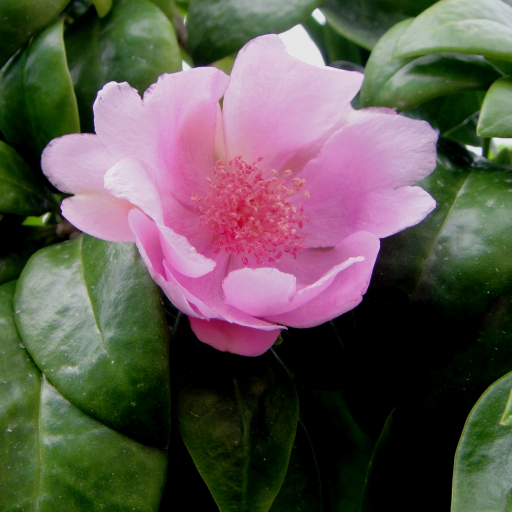
Known famously as the Bayahibe Rose, this botanical rarity is one of the few cacti in the world that boasts true, lush leaves. Endemic to a tiny coastal strip of the Dominican Republic, it serves as a proud national symbol and a fascinating evolutionary bridge between prehistoric leafy plants and the spine-covered desert cacti we know today. Because it is critically endangered in the wild, seeing one in bloom is considered a special botanical event.
🔍 How to Identify
- 🌸 Rose-like Blooms: The most striking feature is its vibrant pink flowers that emerge at the tips of the branches, looking remarkably like a delicate wild rose rather than a cactus flower.
- 🍃 Fleshy Leaves: Unlike typical cacti, it has glossy, elliptic green leaves that are succulent but thin, which it may shed during periods of extreme drought to conserve energy.
- 🌵 Spiny Stems: While the upper growth looks soft and leafy, the woody trunk and older branches are heavily guarded by clusters of sharp, needle-like spines.
🏡 In Your Garden
- 🏖️ Coastal Resilience: Hailing from the sandy shores of the Caribbean, this plant is exceptionally salt-tolerant and thrives in porous, sandy soil mixes that mimic its native beach habitat.
- ☀️ Light Requirements: To trigger its famous "roses," it requires full, direct sun. In shaded environments, the plant will grow spindly and lose the strength needed to support its heavy blooms.
- 🪴 Growth Habit: It grows more like a shrub or a small tree than a desert cactus, meaning it requires more vertical space and occasional pruning to maintain a manageable shape.
⚠️ Safety & Toxicity
- 📍 Physical Hazard: While the plant is not known to be chemically toxic to humans or pets, the spines are formidable. They are sharp enough to puncture skin easily and can cause localized swelling or irritation.
- 🛡️ Strategic Planting: Because of its hidden thorns beneath the leaves, it should be kept away from walkways, children’s play areas, or low-lying spots where pets might accidentally brush against it.
✨ Fun Fact
The Leuenbergeria quisqueyana was only discovered by science in 1977. It is so rare and culturally significant that the Dominican Republic passed a specific law in 2011 naming it the National Flower to ensure its protection from extinction.

Detailed Care Instructions
To grow a Leuenbergeria Quisqueyana plant, you can follow these steps:
- Choose the right location: Leuenbergeria Quisqueyana plants require bright, indirect light. Choose a location with bright, indirect sunlight, such as near a window with a sheer curtain to filter the light.
- Provide the right temperature: Leuenbergeria Quisqueyana plants prefer warm temperatures between 70-85°F (21-29°C) during the day and slightly cooler temperatures at night. Avoid placing the plant near drafts or extreme temperature fluctuations.
- Use well-draining soil: Leuenbergeria Quisqueyana plants prefer a well-draining soil mix. You can use a cactus and succulent potting mix or create your own mix by combining regular potting soil with perlite or sand to improve drainage.
- Water sparingly: Leuenbergeria Quisqueyana plants are drought-tolerant and prefer to be underwatered rather than overwatered. Allow the soil to dry out before watering again. Water deeply, making sure the water drains out of the pot, and avoid leaving the plant sitting in water.
- Fertilize sparingly: Use a balanced, diluted cactus or succulent fertilizer during the growing season (spring and summer) once every month or every other month. Follow the package instructions for dilution ratios.
- Propagate through offsets: Leuenbergeria Quisqueyana plants produce offsets, or baby plants, around the base of the mother plant. You can gently separate these offsets and plant them in their own individual pots with well-draining soil.
- Avoid excessive handling: Leuenbergeria Quisqueyana plants have spines, so handle them with care to avoid injury. Use gloves or a folded paper towel to protect your hands.
- Monitor for pests: Keep an eye out for common pests such as mealybugs or spider mites. If you notice any pests, treat them with appropriate insecticidal soap or horticultural oil following the product instructions.
Remember, each plant is unique, and it might take some time and adjustments to find the perfect conditions for your Leuenbergeria Quisqueyana plant. Patience and care will contribute to its growth and overall health.
To water Leuenbergeria Quisqueyana, it is important to follow specific guidelines to ensure its proper growth and health. Here are the details on how to water this plant:
- Frequency: This plant requires a watering schedule that allows its soil to dry out partially between waterings. Typically, watering every 1-2 weeks during the growing season is sufficient. However, adjust the frequency based on environmental factors such as temperature, humidity, and sunlight intensity.
- Amount: When watering, provide enough water that it seeps through the drainage holes at the base of the pot. Ensure thorough watering, penetrating the entire root ball. However, avoid overwatering, as it may lead to root rot. Allow excess water to drain completely.
- Soil Condition: Leuenbergeria Quisqueyana thrives in well-draining soil. Ensure the planting medium is composed of a well-balanced mix, preferably one that incorporates coarse sand or perlite to enhance drainage. This prevents waterlogged conditions, minimizing the risk of root rot.
- Watering Technique: Gradually pour water around the base of the plant, avoiding splashing leaves or stems. This prevents moisture-related diseases and fungal growth. It is best to use a watering can or a narrow-spout container, allowing you to target the water directly at the soil.
- Seasonal Adjustments: During the winter months or dormancy period, when the plant's growth slows down, reduce watering frequency. Monitor the soil's moisture level before watering again. The goal is to maintain a balanced moisture level, neither drought-like nor overly moist.
- Assessing Moisture: Check the soil's moisture level before each watering session. Inserting your finger around 1-2 inches into the soil can help gauge if it is dry. If the soil feels slightly moist, hold off watering for a few more days.
- Environmental Considerations: Factors such as humidity levels, temperature, and air circulation play a vital role in the plant's watering needs. In a dry or arid climate, you may need to water more frequently, whereas in a humid environment, less frequent watering may be required.
Remember, it is crucial not to rely solely on a watering schedule or timeframe; instead, consider the specific needs of your Leuenbergeria Quisqueyana and adjust watering accordingly. Monitoring the plant's health and response to watering will help you establish an effective watering routine.
Here are fertilizing instructions for the Leuenbergeria Quisqueyana plant:
- Choose a balanced, water-soluble fertilizer suitable for cacti and succulents. Look for a formulation with an N-P-K ratio of around 10-10-10 or similar.
- Dilute the fertilizer according to the instructions on the package. It's important not to use a concentrated solution as it may harm the plant.
- Apply the diluted fertilizer to the soil around the base of the plant. Avoid getting any fertilizer on the plant's leaves or stem, as this can cause burns.
- Fertilize the Leuenbergeria Quisqueyana plant during the growing season, typically from spring to early fall. Reduce or stop fertilizing during the dormant winter period.
- Aim to fertilize every four to six weeks during the growing season. Adjust the frequency based on the specific fertilizer's instructions and the plant's response. Monitor the plant's growth and adjust as needed.
- As with any other plant, it is important not to over-fertilize the Leuenbergeria Quisqueyana. If in doubt, it's better to slightly under-fertilize rather than risking overfeeding.
- Always water the plant thoroughly before and after fertilizing to prevent root burn and promote nutrient uptake.
Remember, these instructions are general guidelines. It's essential to observe your specific plant's needs and adjust the fertilizing regimen accordingly.
Leuenbergeria Quisqueyana is a plant that requires a specific type of soil to thrive. The ideal soil for this plant is well-draining with a sandy or loamy texture. It should have good aeration and moisture retention properties to provide optimal conditions for plant growth. The soil should be slightly acidic to neutral, with a pH range of 6.0 to 7.0.
To create a suitable soil mix for Leuenbergeria Quisqueyana, a blend of different components can be used. One part of regular potting soil can serve as a base, providing necessary nutrients and organic matter. To enhance drainage, add perlite or coarse sand in equal parts to the potting soil.
Since Leuenbergeria Quisqueyana is a drought-tolerant succulent, it is crucial to ensure the soil mix does not retain excessive moisture. Mixing in ingredients such as pumice or crushed granite can enhance drainage further. These materials will help prevent root rot and keep the plant healthy.
In addition to the soil mixture, it is important to have a well-draining container for the plant. This ensures excess water can easily escape and prevents waterlogged roots, which can lead to rot. Providing proper drainage is crucial to maintaining the health of your Leuenbergeria Quisqueyana.
Remember to water the plant sparingly, allowing the soil to mostly dry out between waterings. Applying a balanced fertilizer, diluted to half strength, during the growing season can provide additional nutrients to support healthy growth.
By selecting the right soil mix, maintaining proper drainage, and ensuring proper watering practices, you can create an ideal growing environment for your Leuenbergeria Quisqueyana plant.
Leuenbergeria Quisqueyana is a type of succulent plant native to the Dominican Republic. If you want to propagate this plant, here are the steps you can follow:
- Start by selecting a healthy mother plant that has reached its maturity stage for successful propagation. Look for a plant that has well-developed stems and a healthy root system.
- Prepare the propagation materials you will need, such as a clean and sharp pair of pruning shears, a clean container filled with a well-draining soil mix, and a rooting hormone (optional but can aid in rooting).
- Before proceeding, ensure your own safety by wearing protective gloves and eyewear, as some succulents may have spines or irritating sap.
- Take your pruning shears and carefully cut a stem from the mother plant. Aim to choose a stem that is at least 3-4 inches long and has a few sets of healthy leaves.
- Allow the cutting to dry for a few days, ideally in a shaded or indirect sunlight area. This step helps the cut end to callous over, reducing the chances of rotting.
- Once the cut end has calloused, you can choose to dip it in a rooting hormone powder or gel to encourage root growth. This step is optional, but it can significantly increase the success rate of propagation.
- Create a small hole in the soil mix using your finger or a pencil, and gently plant the calloused end of the stem into the hole. Make sure that the soil is in contact with the stem to provide stability.
- Water the cutting lightly, ensuring that the soil is evenly moist but not saturated. Overwatering can lead to rotting, so it is crucial to maintain proper soil moisture.
- Place the container in a warm, well-lit area with indirect sunlight. Avoid exposing the cutting to direct sunlight as it may cause sunburn and damage the plant tissues.
- Mist the cutting occasionally to increase humidity around the plant. This will aid in preventing excessive moisture loss through transpiration.
- Be patient and wait for new roots to develop. It typically takes several weeks to a few months for roots to form, depending on various factors such as temperature and humidity.
- Once you notice healthy root growth, it indicates that the cutting has established and can be treated like a mature plant. Gradually acclimate it to normal watering routines and sunlight exposure.
By following these propagation steps, you can successfully propagate Leuenbergeria Quisqueyana and enjoy new plants.








