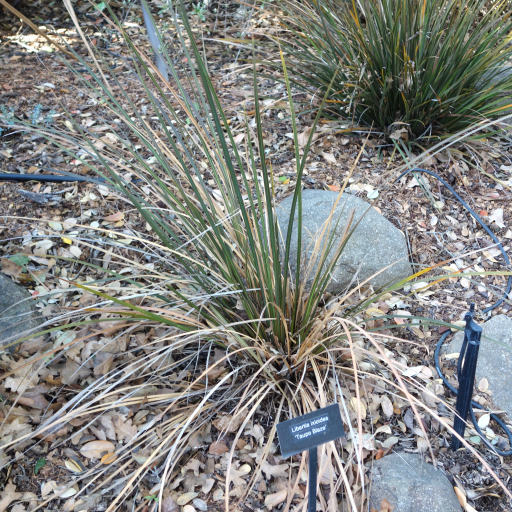
Plant Overview
The Libertia ixioides, affectionately known as the Mikoikoi or the New Zealand Iris, is a structural masterpiece from the islands of Aotearoa. Often mistaken for a common ornamental grass, it reveals its true identity in late spring when a galaxy of three-petaled white flowers emerges from its golden-green fans. In the wild, it is a survivor, clinging to rocky cliffs and forest edges with effortless grace.
🔍 How to Identify
- ⚔️ Sword-Like Foliage: The leaves are stiff, leathery, and arranged in tight, fan-like clumps. Depending on the sun exposure, the color shifts from a deep olive green to a striking autumnal orange or gold.
- ❄️ Starry Blooms: It produces clusters of pure white flowers that sit just above the foliage. Unlike many irises, these have three large outer petals and three smaller inner ones, creating a delicate, balanced look.
- 🟠 Persistent Seed Pods: After the flowers fade, they are replaced by attractive, hard capsules that turn a bright yellow or orange, providing visual interest long into the winter months.
🏡 In Your Garden
- 🌊 Coastal Warrior: This plant is exceptionally hardy and thrives in coastal environments. It scoffs at salty winds and can handle poor, sandy soils that would make more delicate garden plants wither.
- ☀️ Color Through Stress: To get those famous "neon" orange and gold tints in the leaves, the plant actually prefers a bit of "tough love." More sun and slightly leaner soil will intensify the fiery colors compared to a lush, shady spot.
- 🪴 Low Maintenance: Because it grows from a slow-creeping rhizome, it stays in a neat clump. You won't need to worry about it invading the rest of your flower beds, though it appreciates being divided every few years to stay vigorous.
⚠️ Safety & Toxicity
- 🟢 Safe for Most: Libertia ixioides is generally considered non-toxic and is not known to be a high-risk plant for humans or pets.
- 👅 Mild Irritant: As with many members of the Iridaceae family, ingesting large quantities of the rhizome or leaves may cause mild stomach upset or nausea in curious dogs or cats. It is always best to discourage chewing.
✨ Fun Fact
The Mikoikoi is a "living color-chart" for the seasons. While many plants lose their vibrancy in the cold, certain cultivars of Libertia ixioides actually turn their most intense shades of burnt orange and copper during the peak of winter, providing a warm glow in a dormant garden.

Detailed Care Instructions
Here are some steps you can follow to successfully grow Libertia ixioides plant:
- Planting: Choose a sunny to partially shaded spot in your garden with well-draining soil. Plant the Libertia ixioides rhizomes about 2-3 inches deep and spaced about 12 inches apart.
- Watering: Keep the soil consistently moist but not waterlogged. Water the plant regularly, especially during hot and dry periods. Reduce watering in the winter when the plant is dormant.
- Fertilizing: Fertilize the plant with a balanced fertilizer in the spring and summer to encourage healthy growth. Follow the instructions on the fertilizer package for the correct dosage.
- Mulching: Apply a layer of mulch around the base of the plant to help retain moisture, suppress weeds, and regulate soil temperature. Avoid piling the mulch against the plant stems.
- Pruning: Remove any dead or damaged foliage and flowers to maintain the plant's appearance and health. Cut back the plant in the late winter or early spring to promote new growth.
- Division: Libertia ixioides can become congested over time. Divide the plant every 3-4 years in the spring to rejuvenate it and promote better growth.
- Pests and diseases: Keep an eye out for common pests such as aphids and spider mites, as well as diseases like leaf spot and root rot. Use insecticidal soap or neem oil to control pests and fungicides for diseases if necessary.
By following these steps, you can successfully grow a healthy and thriving Libertia ixioides plant in your garden.

Place in a bright room that is sun drenched almost all day. Or directly in a south-facing window.

Libertia Ixioides plants should be watered regularly to keep the soil consistently moist but not waterlogged. It is important to water the plant at the base and avoid getting the leaves wet, as this can lead to fungal diseases. The frequency of watering will depend on the temperature and humidity of the environment, but typically, watering once or twice a week should be sufficient. During hot weather, the plant may need more frequent watering. It is also important to use well-draining soil to prevent waterlogging, as standing water can lead to root rot. Overall, monitoring the moisture levels in the soil and adjusting watering accordingly is key to keeping a Libertia Ixioides plant healthy and thriving.
To fertilize the plant, apply a balanced slow-release fertilizer in early spring before new growth begins. Use a fertilizer with a ratio of 10-10-10 or similar and follow the manufacturer's instructions for application rates. Water the plant thoroughly after fertilizing to help distribute the nutrients evenly in the soil. Avoid over-fertilizing as this can lead to nutrient imbalances and potential damage to the plant. Fertilize once or twice throughout the growing season for optimal growth and health of the plant.
Libertia ixioides grows best in well-draining soil with a slightly acidic to neutral pH level. A mix of sandy or loamy soil combined with organic matter such as compost or peat moss is recommended to provide the plant with the necessary nutrients and moisture retention. Avoid heavy clay soils that may cause waterlogging and root rot. Additionally, incorporating perlite or sand into the soil mixture can improve drainage and prevent water stagnation around the roots. Ensure that the planting site receives adequate sunlight and water for the optimal growth of Libertia ixioides.
To propagate Libertia ixioides, you can use either division or seeds.
Propagation by division involves separating the plant's rhizomes into individual sections and replanting them in separate containers or areas of the garden. To do this, carefully dig up the plant and gently pull apart the rhizomes, making sure each section has its own roots and shoots. Replant the divided sections in well-draining soil and water thoroughly.
Propagation by seeds requires collecting mature seed pods from the plant and allowing them to dry out before removing the seeds. Sow the seeds in a tray or container filled with a soilless seed starting mix and cover with a thin layer of soil. Keep the soil consistently moist and place the tray in a warm, well-lit area. Once the seeds germinate and the seedlings have developed several leaves, transplant them into individual pots or into the garden.
Whichever method you choose, provide the newly propagated plants with the appropriate care, including regular watering, sunlight, and fertilization, to ensure they establish and thrive in their new environment.








