Plant Overview
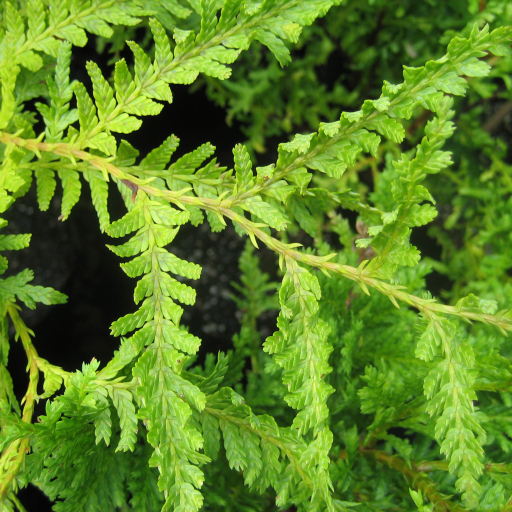
Known as the "Kawaka" or "New Zealand Cedar," Libocedrus plumosa is a majestic conifer that looks more like a giant, prehistoric fern than a typical evergreen tree. Native to the misty lowland forests of New Zealand, it is revered for its elegant, feathery appearance and its ability to live for centuries. It is a slow-growing masterpiece that brings an air of ancient mystery to any landscape.
🔍 How to Identify
- 🌿 Feathery Foliage: The primary giveaway is its flat, fern-like sprays. The scale-like leaves are arranged in four rows, giving the branches a distinct, flattened, "plumose" (feather-like) texture that is soft to the touch.
- 🪵 Ribbon-Peel Bark: The trunk is wrapped in a thin, reddish-brown bark that naturally sheds in long, papery, ribbon-like strips, adding incredible winter interest to the garden.
- 📐 Conical Silhouette: In its youth, the Kawaka maintains a very tidy, narrow pyramidal shape, looking almost like a perfectly groomed topiary before it eventually broadens into a stately forest giant.
🏡 In Your Garden
- 💧 Moisture Consistency: The Kawaka deeply resents "wet feet" but equally hates a total drought. It thrives best when the soil is kept consistently cool and moist, mimicking the damp forest floors of its homeland.
- 💨 Wind Protection: Because of its delicate, feathery branch structure, it prefers a spot sheltered from harsh, salt-laden winds. High winds can scorch the tender new growth and give the tree a "tattered" appearance.
- 🌱 Slow and Steady: This is not a plant for those seeking instant privacy. It invests its energy into deep root systems and dense wood, meaning it grows at a leisurely pace but remains structurally sound and healthy for generations.
⚠️ Safety & Toxicity
- 🐾 Pet & Child Safety: Libocedrus plumosa is generally considered non-toxic to humans and pets. It does not possess the high levels of toxic oils found in some other "true" cedars.
- ✋ Skin Sensitivity: While not poisonous, the fibrous bark and scale-like leaves can be slightly abrasive. Some sensitive individuals may experience mild skin redness if handling the foliage extensively without gloves.
✨ Fun Fact
The wood of the Kawaka is remarkably durable and straight-grained. Early settlers in New Zealand valued it so highly for roof shingles and fine cabinetry that it was heavily logged; today, it is protected and cherished as a "Living Fossil" of the southern hemisphere's ancient forests.

Detailed Care Instructions

Place in a bright room that is sun drenched almost all day. Or directly in a south-facing window.

To water this plant, first, you need to choose the appropriate watering method. This can be done by determining the soil type and moisture level, as well as the size and maturity of the plant. For example, younger plants will need more frequent watering than established ones.
Next, prepare the watering equipment. A hose or watering can will suffice. If using a hose, ensure that it has the necessary attachments to sprinkle water gently without damaging the plant.
When watering, moisten the soil thoroughly but not excessively. As a rule of thumb, water the plant until water begins to flow out the bottom of the container or seep into the soil. Avoid overwatering, which can lead to root rot.
Watering frequency will depend on factors such as temperature, humidity, and soil drainage. In general, water when the soil feels dry to the touch. If the plant shows signs of wilting or yellowing, increase the frequency of watering.
In conclusion, always observe the plant's needs and adjust watering accordingly. With proper care, this plant will thrive and add beauty to your home or garden.
It is recommended to use a well-draining soil mix with good organic matter. This plant prefers soil with a slightly acidic to neutral pH, so it is important to avoid using alkaline soil. It also prefers a soil that is rich in nutrients, so fertilizing periodically with a balanced fertilizer is recommended. Additionally, make sure the soil is moist but not waterlogged, as this plant does not tolerate waterlogged soil.








