Plant Overview
Known in its native Brazil as the Oiti, this tree is the undisputed "king of shade" in tropical urban landscapes. With its massive, umbrella-like canopy and shimmering bicolored leaves, it’s a favorite for cooling down sun-drenched city streets. It is a resilient survivor that brings a touch of the Atlantic Forest to any wide-open space, acting as a natural air conditioner.
🔍 How to Identify
- 🍃 Two-Toned Foliage: The leaves are dark, glossy green on the upper side, but flip them over to reveal a soft, silvery-white fuzz. This "tomentose" (velvety) texture is the plant's namesake.
- 🌳 The Umbrella Crown: It naturally forms an incredibly dense, rounded canopy. The foliage is so thick that it provides "deep shade," often preventing even the smallest patches of sunlight from reaching the ground.
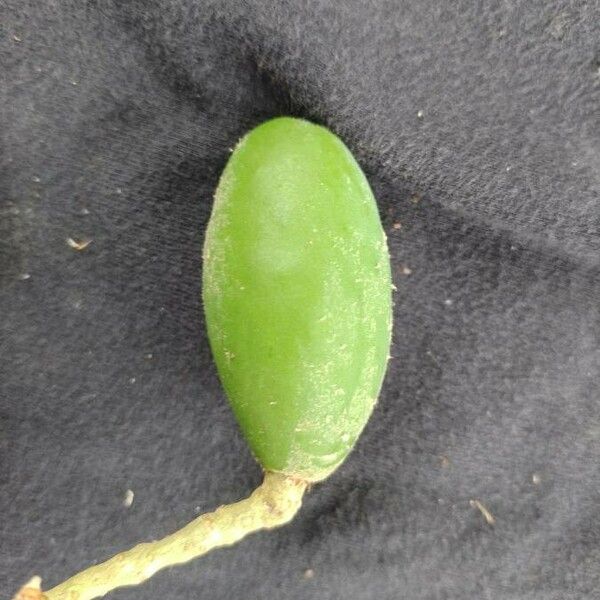
- 🍐 Fibrous Fruits: It produces yellow, oval-shaped fruits that look like small mangoes. They have a distinct, slightly pungent aroma and a very dry, fibrous yellow pulp.
🏡 In Your Garden
- 🏙️ The Urban Warrior: The Oiti is legendary for its ability to withstand air pollution and poor soil quality. It is a staple for sidewalk planting because it handles heavy pruning exceptionally well.
- ☀️ Deep Roots & Sun: It develops a deep taproot system, which makes it very drought-resistant once mature. However, this also means it hates being moved; you should pick its permanent location carefully to avoid transplant shock.
- 🧹 Space Requirements: Because of its massive size and the "litter" created by falling fruits, it is best suited for large estates or wide parkways rather than small backyard patios.
⚠️ Safety & Toxicity
- ✅ Non-Toxic: The Licania tomentosa is generally considered safe and non-toxic for humans, dogs, and cats.
- ⚠️ Physical Hazards: The main safety concern is "slip and fall" risks. The fallen fruits are quite hard and can become very slippery as they decompose on sidewalks or driveways.
✨ Fun Fact
The Oiti was a favorite of the world-renowned landscape architect Roberto Burle Marx. He used the tree’s dense, architectural shape to create "sculptural" green walls and shaded corridors in some of the most famous public parks in Rio de Janeiro.

Detailed Care Instructions








