Plant Overview
Often called the Ruffled Fan Palm or the Dinner Plate Palm, Licuala grandis is one of the most visually stunning palms in the world. Native to the humid rainforests of Vanuatu and the Solomon Islands, it is prized for its perfectly circular, pleated leaves that look like oversized Japanese fans. It brings an immediate sense of prehistoric elegance and tropical luxury to any indoor or outdoor space.
🔍 How to Identify
- 🍃 The Foliage: Unlike most palms with feathery fronds, this plant produces solid, circular leaves that can grow up to 20 inches wide.
- 🪗 The Texture: The leaves are deeply "pleated" or corrugated, giving them a structural, fan-like appearance that catches the light beautifully.
- 📏 Growth Habit: It is a slow-growing palm with a single, slender trunk that remains quite compact for many years, making it a favorite for container gardening.
🏡 In Your Garden
- ☁️ Atmospheric Needs: Because it originates as an understory plant in dense jungles, it thrives in high humidity and dappled light. It will develop "leaf scorch" or brown crispy edges if exposed to harsh, direct afternoon sun or dry air-conditioner drafts.
- 🪴 Root Sensitivity: This palm is notorious for its sensitive root system. It prefers to remain "pot-bound" for as long as possible; transplanting it too often or roughly can cause the plant to go into a long period of shock.
- 💧 Thirst Quenching: While it loves moisture, its roots are prone to rot in standing water. It requires a chunky, well-draining soil mix that mimics the leafy floor of a tropical forest.
⚠️ Safety & Toxicity
- 🟢 Status: Generally considered non-toxic to humans, cats, and dogs.
- 🌵 Physical Warning: While the leaves are safe, the "petioles" (the long stems holding the leaves) have small, sharp teeth-like thorns along the edges. Handle with care during pruning to avoid skin scratches.
✨ Fun Fact
In its native islands, the massive, waterproof leaves of the Licuala grandis are traditionally used as improvised umbrellas during sudden tropical downpours and are even occasionally used as plates or food wrappers!

Detailed Care Instructions
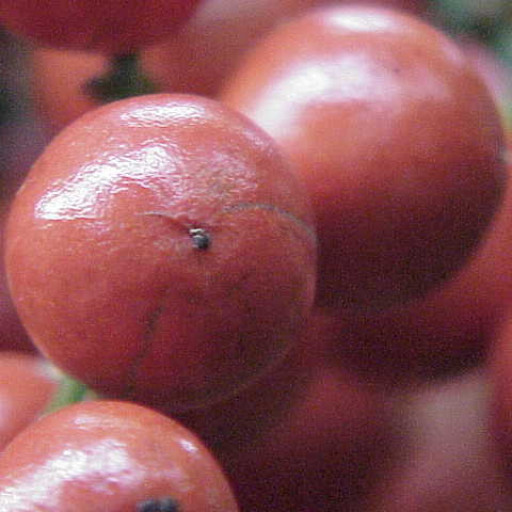
| Color | Lustrous Green Leaves, With Red Ripe Fruit |
| Soil Ph | 6-6.5 |
| Humidity | High |
| Lighting | Part Sun |
| Soil Type | Moist Soil With Improved Drainage |
| Bloom Time | Summer |
| Difficulty | Hard |
| Plant Type | Perennial |
| Mature Size | 60-84 Inches Tall, 12-20 Inches Wide |
| Native Area | Valley Rainforests Of Solomon Islands, Vanuatu |
| Temperature | 18°C - 24°C |
| Sun Exposure | Indirect To Low Sun Exposure, As Direct Exposure Could Scald The Leaves |
| Hardiness Zones | 10-11 |
To successfully grow Licuala grandis, also known as the Ruffled Fan Palm, consider the following steps:
- Climate: Licuala grandis thrives in warm and humid climates. It is best suited for USDA hardiness zones 10 to 11. Ensure the temperature remains above 65°F (18°C) to prevent damage to the plant.
- Lighting: The plant prefers bright, indirect light. Avoid exposing it to direct sunlight, as this can scorch the leaves. Place it near a window where it receives filtered sunlight or provide shade if growing outdoors.
- Soil: Licuala grandis requires well-draining soil with high organic matter. Prepare a mix using equal parts peat moss, sand, and perlite or use a quality potting mix suitable for palms.
- Watering: Keep the soil evenly moist, but avoid overwatering, as excessive moisture can lead to root rot. Water the plant when the top inch of soil feels dry. Mist the leaves occasionally to replicate a humid environment.
- Humidity: Licuala grandis thrives in high humidity levels. Increase humidity by placing the pot on a humidity tray with water or using a nearby humidifier. Alternatively, set the pot on a tray filled with pebbles and water, ensuring the water level is below the pebble surface.
- Fertilizer: Use a balanced, slow-release palm fertilizer or a liquid fertilizer specifically formulated for palm plants during spring and summer. Follow the instructions on the fertilizer packaging regarding application rates.
- Repotting: Licuala grandis has a slow growth rate, so it may not require frequent repotting. However, when the roots become crowded, transplant it into a slightly larger pot using fresh potting soil.
- Pests and diseases: Monitor the plant regularly for common pests such as mealybugs, spider mites, and scale insects. Treat any infestations promptly with suitable insecticides or by wiping the leaves with a soapy solution. Avoid overwatering to prevent root rot and ensure proper drainage.
- Pruning: Remove any dead, yellow, or damaged leaves as they occur. Licuala grandis has a compact growth habit, so minimal pruning is necessary.
- Propagation: Propagate Licuala grandis from seeds, although it may take several months for them to germinate. Soak the seeds in warm water for a few days before planting to enhance germination rates. Plant the seeds in a seed-starting mix, keep them warm and moist, and provide high humidity.
Remember, Licuala grandis is a slow-growing plant, so be patient and provide consistent care to encourage healthy growth.

Place in a window with dappled sun or a spot in the middle of a room. Or directly in a window facing west or east.

The plant needs to be watered regularly, but not excessively. Optimal watering frequency varies depending on the temperature and humidity of the environment, and the soil condition. Typically, the plant prefers moist soil, but not water-logged. The soil should be allowed to dry slightly before watering again. When watering, avoid getting water on the leaves, as this can cause damage or disease. During winter months, reduce watering frequency to prevent water-logging and root rot. Consider using a well-draining soil mix and a drainage tray to prevent excess moisture from accumulating.
To fertilize this plant, use a balanced fertilizer with equal amounts of nitrogen, phosphorus, and potassium. Apply the fertilizer every two to three months during the growing season, from spring to fall. Dilute the fertilizer to half the recommended strength and apply it to the soil around the base of the plant. Avoid getting fertilizer on the leaves or stems as it may burn them. Water the plant thoroughly after fertilizing to allow the nutrients to reach the roots.
Licuala Grandis plant prefers a well-draining soil that is rich in organic matter. It requires soil that is slightly acidic to neutral, with a pH range between 5.5 to 7.0. It grows well in soils that are moist but not waterlogged, as excessive water can result in root rot and other fungal diseases. The ideal soil should have good water retention capacity, but also provide good aeration for healthy root growth. A mix of peat moss, coarse sand, and perlite is an excellent soil mixture for Licuala Grandis plant. It is recommended to add slow-release fertilizers and micronutrients in the soil mix to provide adequate nutrient supply to the plant. Additionally, adding mulch to the soil surface around the plant can help to maintain good soil moisture and improve soil fertility.
Licuala Grandis is a tropical plant that can be successfully propagated via seeds or by separating the offsets or suckers from the parent plant.
To propagate via seeds, first collect mature seeds from the parent plant that have fallen to the ground. These should be planted immediately in moist, well-draining soil. Keep the soil consistently moist and warm, ideally with temperatures between 75-85°F. It'll take several weeks for the seeds to germinate, and you should see small green shoots emerging from the soil.
If propagating by division, locate the suckers or offsets growing from the parent plant. These should be removed with a sharp, sterilized knife or shears. Be sure to remove enough roots to support the new plant, and plant in a pot or directly in the ground in well-draining soil. Keep the new plant moist and shaded for the first few weeks until it becomes established.
Overall, Licuala Grandis is relatively easy to propagate and can quickly become a stunning addition to any tropical garden or houseplant collection.
Common pests of the ruffled fan palm include Scale insect, mealybugs, spider mites. Make a habit of checking your ruffled fan palm frequently for pests so that any infestations can be caught and managed early.








