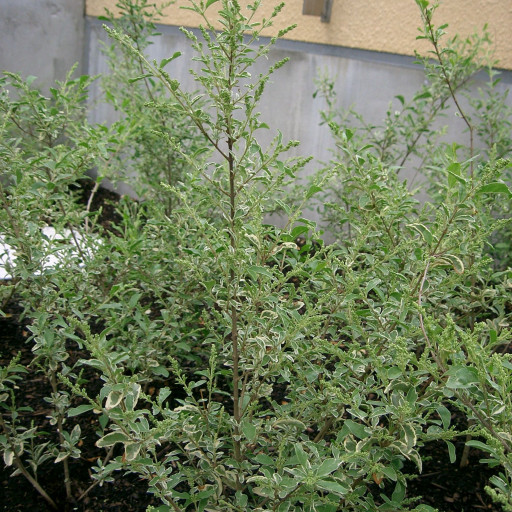
Plant Overview
Often called the Chinese Privet, this semi-evergreen shrub is the ultimate "green wall" of the garden world. Originally brought from Asia as an ornamental hedge, it has become famous for its incredibly sweet (and sometimes overwhelming) fragrance and its rugged ability to grow anywhere. While it creates a beautiful, dense privacy screen, it is also a notorious wanderer, often escaping gardens to reclaim nearby forests.
🔍 How to Identify
- 🍃 The Foliage: Small, oval-shaped leaves that grow in opposite pairs along the stem, usually featuring a glossy green finish.
- 🌼 The Blooms: In late spring, it produces panicles of tiny, creamy-white flowers that are trumpet-shaped and highly aromatic.
- 🔮 The Berries: By autumn, the flowers turn into hanging clusters of small, waxy berries that shift from green to a deep, dark purple or black.
🏡 In Your Garden
- ✂️ Pruning Nuance: This plant is a "vigorous grower" that thrives on attention from shears. Because it produces "suckers" (new shoots from the roots), you must prune it regularly to prevent it from turning into an unruly thicket.
- 🌍 Adaptability: It is remarkably unfussy about soil. It loves moist ground but is famous for surviving droughts once established, making it a "survivor" plant that can tolerate urban pollution and varying light levels.
⚠️ Safety & Toxicity
- 🚫 Status: Toxic to humans and common pets.
- 🐾 Details: The berries and leaves contain terpenoid glycosides. If ingested by dogs, cats, or children, it can cause vomiting, diarrhea, and intense abdominal pain. The pollen can also be a significant trigger for hay fever sufferers during its blooming peak.
✨ Fun Fact
In the Southern United States, Chinese Privet is known as a "silent invader." Because birds love the berries, they unintentionally spread the seeds everywhere, allowing this plant to take over millions of acres of wild land!

Detailed Care Instructions
| Color | Green Foliage With Brown Branches, White Blooms, And Black Berries |
| Soil Ph | 6.1-7.8 |
| Invasive | Weed |
| Lighting | Full Sun |
| Soil Type | Well-Draining, Loamy, Sandy |
| Bloom Time | Early Spring To Late Summer |
| Plant Type | Shrub |
| Mature Size | Up To 13 Feet Tall And 15 Feet Wide |
| Native Area | China, Vietnam, And Taiwan |
| Sun Exposure | Full Sun To Partial Shade |
| Hardiness Zones | 6-9 |
Here are some tips to help you grow a Ligustrum Sinense plant:
- Climate: Ligustrum Sinense plants thrive in warm climates and are hardy in USDA zones 7-10. Make sure you have the appropriate climate for this plant.
- Light: Provide the plant with full sun to partial shade. Ligustrum Sinense can tolerate shade, but it may have reduced flowering.
- Soil: Plant the Ligustrum Sinense in well-draining soil that is rich in organic matter. The soil pH should be slightly acidic to slightly alkaline.
- Watering: Water the plant regularly, especially during hot and dry periods. Maintain evenly moist soil, but avoid over-watering as it can lead to root rot.
- Fertilizer: Feed the plant with a balanced, slow-release fertilizer in the spring. This will provide essential nutrients for its growth. Follow the manufacturer's instructions for application rates.
- Pruning: Prune the Ligustrum Sinense plant to shape it and remove any dead or damaged branches. This will promote healthy growth and keep the plant looking tidy.
- Mulching: Apply a layer of organic mulch around the base of the plant. This helps to conserve soil moisture, suppress weeds, and insulate the roots from extreme temperatures.
- Pests and diseases: Watch out for common pests like aphids, spider mites, and scale insects. Treat any infestation promptly with appropriate insecticidal soap or horticultural oil. Protect the plant from fungal diseases by providing good air circulation and avoiding overhead watering.
- Propagation: Ligustrum Sinense can be propagated through seeds or cuttings. Collect seeds from well-ripened fruit and sow them in a potting mix. You can also take semi-hardwood cuttings in late summer or early autumn and root them in a well-draining medium.
Remember to always research and follow specific care instructions for Ligustrum Sinense, as individual variations may exist.

Place in a window with dappled sun or a spot in the middle of a room. Or directly in a window facing west or east.

The plant should be watered regularly but not too frequently. The soil should be kept moist but not saturated, as overly wet conditions can lead to root rot. It is best to water deeply, allowing water to soak into the soil rather than just watering the surface. The plant should be checked regularly to ensure it is not drying out, especially during hot or dry periods. If the leaves begin to droop, this is a sign the plant needs water. When watering, avoid getting water on the leaves as this can lead to fungal diseases.
To fertilize this plant, select a slow-release, balanced fertilizer with equal amounts of nitrogen, phosphorus, and potassium. Apply the fertilizer in early spring before new growth appears, and then again in late summer. Follow package instructions for proper application rates. Water the plant thoroughly after fertilizing to help distribute the nutrients throughout the root system. Avoid fertilizing during dry conditions or extreme temperatures as this can stress the plant.
The ideal soil to use for this plant is a well-draining, loamy soil that is rich in organic matter. The pH level of the soil should be neutral to slightly acidic, with a range of 6.0 to 7.5. It is important to avoid soils that are too heavy or compact, as this can restrict the root growth of the plant and lead to waterlogging and other issues. The soil should also be kept consistently moist, but not waterlogged, to promote healthy growth and development. Additionally, the plant may benefit from regular fertilization to replenish nutrients in the soil and support overall health and vitality.
Ligustrum sinense can be propagated through different methods such as seed germination, stem cuttings, and layering. For stem cuttings, cut 6-8 inches of stem from the parent plant during the active growth period and make sure that there are at least two leaf nodes. Remove the leaves near the bottom of the stem and dip the cut end in rooting hormone. Plant the cutting in well-draining soil mix and water it well. Place the container in a bright, shaded area and maintain soil moisture. Roots will start to develop in about 4-6 weeks. For layering, select a low-hanging branch from the parent plant and make a shallow cut in the bark. Apply rooting hormone to the cut area and then bend the branch down and secure it to the soil with wire or a forked stick. Cover the branch with soil and maintain soil moisture. In about 6-12 months, the plant will have developed roots and can be separated from the parent plant.
Common pests of the chinese-privet include Scale insect, mealybugs, spider mites, aphids. Make a habit of checking your chinese-privet frequently for pests so that any infestations can be caught and managed early.








