Plant Overview
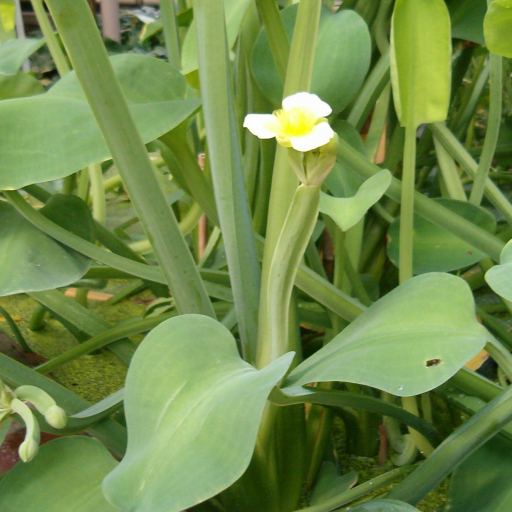
A cheerful resident of tropical wetlands, Limnocharis flava is most famously known as the Yellow Velvetleaf or Sawah Lettuce. Originally from the Americas, it has become a beloved (and sometimes pesky) staple in Southeast Asian rice paddies. Its bright, cup-shaped flowers look like small bursts of sunshine against its lush, velvety green foliage.
🔍 How to Identify
- 🍃 Velvety Foliage: The leaves are broad, light green, and have a distinct "velvet" texture. They are held aloft on thick, triangular-shaped stalks that are hollow inside to help them float.
- 🌼 Sunny Blooms: It produces clusters of pale yellow flowers with three delicate petals and a darker yellow center. These blooms usually only last for a single day.
- 💧 Milky Sap: If a stem is broken, the plant releases a thin, milky white latex or sap, which is a key identifying feature of the Limnocharidaceae family.
🏡 In Your Garden
- 🌊 Water Enthusiast: This plant is an obligate wetland species, meaning it must have its "feet" wet. It thrives in mud, shallow ponds, or even submerged in a few inches of water. It is a popular choice for water features but grows rapidly.
- 🏃 The Escape Artist: In many tropical regions, it is considered an invasive weed because it spreads aggressively through both seeds and "runners" (stolons). If you are growing it in a backyard pond, keep it in a submerged pot to prevent it from taking over the entire water surface.
⚠️ Safety & Toxicity
- 🟢 Generally Safe: Limnocharis flava is not considered highly toxic. In fact, in many parts of Asia, the young leaves and flower buds are eaten as a vegetable.
- 🐾 Pet & Skin Caution: While edible for humans, the milky sap may cause mild skin irritation in sensitive individuals or pets. Additionally, because it grows in stagnant water, it can accumulate heavy metals or pollutants from its environment, so wild-harvesting for food is risky unless the water source is pristine.
✨ Fun Fact
The Yellow Velvetleaf has a clever way of spreading its "children." After the flower fades, the stalk (peduncle) bends downward until the seed head is submerged in the water, effectively planting its own seeds directly into the mud!

Detailed Care Instructions
To grow Limnocharis Flava, also known as yellow burrhead or floating heart, follow these steps:
- Choose a suitable location: Select a sunny or partially shaded area with access to water, such as a pond or a container with water.
- Prepare the planting site: If planting in a pond, remove any existing weeds or debris. If planting in a container, fill it with aquatic soil or a mixture of loam and sand.
- Obtain plant material: You can obtain Limnocharis Flava from a local nursery, online store, or by collecting seeds or plant divisions from established plants.
- Planting seeds: If you have seeds, moisten them and place them on the soil surface or lightly press them into the soil. Keep them moist and warm (around 70°F/21°C) until they germinate, which can take 2-3 weeks.
- Planting divisions: If using plant divisions, carefully separate them from an established plant, ensuring each division has roots attached. Plant them directly into the soil or container.
- Provide water: Maintain a consistent water level around the plant, as Limnocharis Flava prefers to grow in shallow water. If planting in a container, ensure that the water level does not exceed the height of the container.
- Fertilization: Apply a balanced aquatic fertilizer according to the manufacturer's instructions to promote healthy growth.
- Maintenance: Regularly remove any dead or decaying plant material from the water to prevent the buildup of organic matter. Additionally, control any excessive growth that may occur by trimming back the plant as necessary.
- Winter care: In areas with cold winters, remove Limnocharis Flava from outdoor ponds or containers before frost. Overwinter it indoors in a container of water, providing enough light and warmth.
By following these steps, you should be able to successfully grow Limnocharis Flava and enjoy its attractive yellow flowers and floating leaves.

Place in a bright room that is sun drenched almost all day. Or directly in a south-facing window.

Limnocharis Flava is a type of aquatic plant that requires a substantial amount of water to thrive. Watering this plant involves submerging the entire plant in water, or at least ensuring that the soil surrounding the roots is constantly moist. Since Limnocharis Flava grows in wetlands, it is able to tolerate flooded conditions and can even grow in shallow ponds. It is important to avoid waterlogging the soil, however, as excess water can lead to root rot and other fungal diseases. Additionally, this plant prefers an environment with high humidity, so misting the leaves regularly can help promote healthy growth. It is best to water Limnocharis Flava during the morning or evening hours when temperatures are cooler and the water can better penetrate the soil. Overall, providing consistent and adequate moisture is essential for maintaining this plant's health and vitality.
- Before fertilizing Limnocharis Flava, make sure to water the plant thoroughly.
- Use a balanced fertilizer with equal nitrogen, phosphorus, and potassium content.
- Dilute the fertilizer with water as per the manufacturer's instructions.
- Apply the diluted fertilizer to the soil around the base of the plant.
- Avoid getting the fertilizer on the leaves or stem, which can burn the plant.
- Fertilize Limnocharis Flava once a month during the growing season.
- During the dormant season, reduce the frequency of fertilizing to once every two months.
- Monitor the plant's growth and adjust the fertilization schedule as necessary.
- If the plant starts to show signs of nutrient deficiency, such as yellowing leaves, increase the frequency of fertilizing.
- Remember to always follow the instructions on the fertilizer package and wear gloves or protective gear when handling chemicals.
Limnocharis Flava plant is a aquatic plant that requires a specialized type of soil to grow healthy. The soil should be rich in essential nutrients and minerals that can support the plant's growth. Additionally, the soil should be able to retain moisture and provide adequate drainage to prevent waterlogging.
It is recommended to use a potting mix that contains a combination of organic matter, such as peat moss, compost, and vermiculite, along with sand and clay. The proportion of each ingredient may vary depending on the specific needs of the plant.
Before planting the Limnocharis Flava plant, it is important to ensure that the soil is thoroughly moistened. This will help to provide the plant with the necessary moisture to promote healthy growth.
Once the plant is established, it is important to maintain a consistent watering schedule to prevent the soil from becoming too dry or too wet. This can be achieved by regularly monitoring the moisture level in the soil and adjusting the watering frequency as needed.
In summary, the best soil for growing Limnocharis Flava plant should be nutrient-rich, well-draining, and moisture-retentive. The ideal potting mix should contain a combination of organic matter, sand, and clay.
The best way to propagate this plant is by taking stem cuttings from an established plant. Choose a healthy stem and make a clean cut just below a node. Strip off any leaves from the bottom of the cutting, leaving only a few at the top. Place the cutting in a container with clean water and change the water every few days. Once roots have formed, the cutting can be planted in soil. Keep the soil moist, provide bright indirect light, and avoid exposing the plant to extreme temperatures.








