Plant Overview
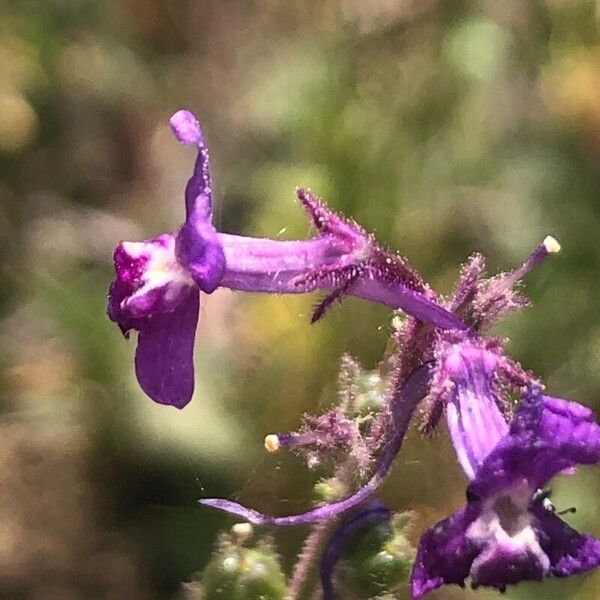
Commonly known as the Cloven-lip Toadflax, this Mediterranean beauty is like a miniature, more whimsical version of a Snapdragon. It is famous for its "bipartite" or split flowers that look like tiny, colorful masks floating on slender, airy stems. These delicate annuals are a favorite for wildflower meadows and cottage gardens, bringing a splash of sunset hues to any sunny corner.
🔍 How to Identify
- 🎭 The "Masked" Flower: Look for tiny, spurred flowers with a distinct "cleft" or split in the upper lip, resembling a miniature Snapdragon or a wide-open mouth.
- 🎨 Vibrant Bi-colors: The blooms typically feature striking color combinations, often with deep purples or magentas accented by a bright orange or yellow "throat" (the palate).
- 🌿 Fine Foliage: The leaves are very narrow, lance-shaped, and arranged spirally along the thin, upright stems, giving the plant a delicate, grassy texture.
🏡 In Your Garden
- 🌱 The "Wild" Aesthetic: Linaria elegans thrives in well-draining, even poor soil. It’s a "tough-love" plant that often grows better in a gravelly patch than in highly fertilized garden beds.
- 🔄 Naturalizing Power: While it is an annual, it is a prolific self-sower. If you leave the spent flower heads alone at the end of the season, they will drop seeds and "magically" reappear next spring without any help from you.
- 🐝 Pollinator Magnet: Despite their small size, the nectar spurs are a major draw for long-tongued bees and butterflies, making them essential for a biodiversity-friendly garden.
⚠️ Safety & Toxicity
- 🐾 Low to Moderate Risk: Toadflax species contain iridoid glycosides, which can be toxic if consumed in large quantities. It is best to keep these away from curious pets (especially horses and dogs) and small children.
- 🧤 Skin Sensitivity: While not common, the sap can cause mild skin irritation for those with sensitive skin. Wearing gloves while pruning or pulling is a simple precaution.
✨ Fun Fact
The name "Toadflax" stems from a centuries-old belief that toads would shelter under the plant’s foliage, or perhaps because the flower’s wide-gaping "mouth" reminded ancient botanists of a toad’s face!

Detailed Care Instructions
To grow Linaria Elegans, follow these steps:
- Purchase Linaria Elegans seeds from a reputable source or nursery. Make sure to choose fresh and viable seeds for better germination.
- Choose a suitable location for planting. Linaria Elegans prefers full sun to partial shade and well-draining soil. It can tolerate various soil conditions but performs best in moderately fertile soil.
- Prepare the planting area by removing any weeds or grasses. Loosen the soil with a garden fork or tiller to a depth of about 6-8 inches.
- Sow the seeds in the prepared soil. Scatter them evenly over the area and lightly press them into the soil, ensuring good soil-to-seed contact. Keep in mind that Linaria Elegans is a cool-season annual, so it is best sown in early spring or late summer.
- Water the seeds gently to keep the soil moist but not waterlogged. Use a watering can or a gentle spray from a hose to avoid displacing the seeds.
- Germination usually takes around 10-14 days. Once the seedlings have emerged, thin them to ensure proper spacing. Linaria Elegans typically requires about 6-8 inches between plants.
- Continue to water the plants regularly, especially during dry periods. Linaria Elegans prefers moist soil, but be careful not to overwater, as it can cause root rot.
- Fertilize the plants every 4-6 weeks with a balanced, water-soluble fertilizer. Follow the manufacturer's instructions for dosage and application method.
- Prune or deadhead the plant regularly to encourage continuous blooming and prevent self-seeding. Removing faded flowers also helps redirect energy for more blooms.
- Provide support if needed. Linaria Elegans can grow up to 12-18 inches tall and may benefit from small stakes or a wire frame to prevent toppling in windy conditions.
- Monitor the plant for pests such as aphids or spider mites. If necessary, treat them with organic insecticides or try natural pest control methods like introducing beneficial insects.
- Enjoy the beautiful blooms of Linaria Elegans throughout the growing season.
Linaria Elegans is a flowering plant that requires consistent watering to promote healthy growth and vibrant blooms. When watering, it is important to avoid overwatering as this can lead to root rot and other fungal diseases. The best way to water the plant is to wait until the top inch of soil feels dry before watering thoroughly, making sure to saturate the soil to a depth of at least 6 inches. It is also important to avoid getting water on the foliage as this can promote the growth of fungal diseases. To prevent this, it is recommended to water at the base of the plant using a drip irrigation system or a watering can with a long spout. During hot, dry weather conditions, this plant may require more frequent watering to prevent the soil from drying out completely. With proper watering techniques, Linaria Elegans can thrive and produce beautiful flowers for months to come.
To fertilize this plant, begin by preparing a well-draining soil mix and choosing a balanced fertilizer that contains equal parts nitrogen, phosphorus, and potassium. Apply the fertilizer sparingly every two weeks during the growing season, ensuring that you follow the package instructions for the amount to use per square foot of soil. Remember to water the plant thoroughly before and after each fertilization to prevent root burn and to ensure the fertilizer's nutrients are distributed evenly. Additionally, be sure to monitor the plant for signs of over-fertilization, such as yellowing or dropping leaves, and adjust your fertilization schedule as necessary.
The ideal soil to use with Linaria Elegans plant is a well-draining, nutrient-rich soil that is permeable to allow air flow to the roots. The soil should be slightly acidic to neutral with a pH level ranging from 6.0 to 7.0. Organic matter can be added to the soil to improve its water retention and nutrient capacity. It is important to ensure that the soil is not waterlogged, as this can lead to root rot and other issues. Sandy loam is a good soil type to use with this plant, as it provides good drainage while retaining enough moisture for the plant to thrive.
To propagate this plant, begin by selecting a healthy parent plant. Take stem cuttings from the plant in the spring or early summer. Make sure each cutting has at least one node on it. Remove any leaves from the bottom of the cutting, leaving two or three leaves at the top. Dip the cut end of each cutting into rooting hormone powder. Plant the cuttings in a seedling tray filled with a well-draining soil mix. Keep the soil moist and provide bright, filtered light. In about four to six weeks, the cuttings should develop roots. Once they have developed strong roots, transplant the new plants into their own containers or into a garden bed.








