Plant Overview
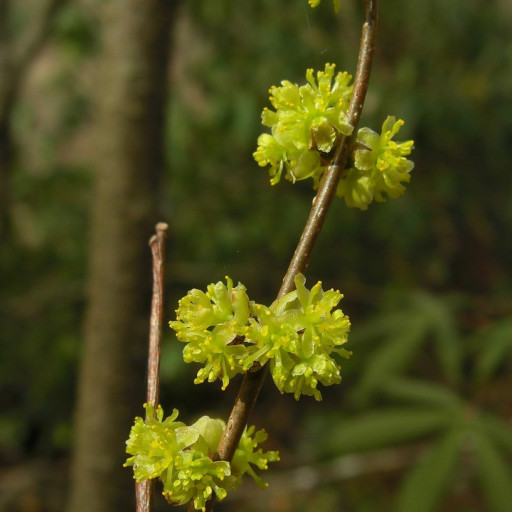
Known as the "Northern Spicebush" or "Wild Allspice," this native North American shrub is the herald of spring in the forest. Long before other trees have woken up, the Spicebush blankets the woodland understory in a hazy golden mist of tiny flowers. It is beloved by foragers and gardeners alike for its intoxicating citrusy-peppery scent that lingers on your fingers whenever you touch its bark or leaves.
🔍 How to Identify
- 🍃 The Leaf Shape: Smooth, oval-shaped leaves that grow in an alternate pattern. They are a deep forest green in summer but turn a stunning, luminous yellow in the autumn.
- 🌼 Early Blooms: Tiny, petal-less yellow flower clusters that hug the stems in early spring. They appear on the bare wood before any leaves have sprouted.
- 👃 The Scratch Test: This is the most reliable ID method. If you gently scratch a young twig or crush a leaf, it releases a powerful, spicy aroma reminiscent of lemon and pine.
- 🍒 Bright Berries: On female plants, small oblong fruits turn a brilliant, glossy red in late summer. These are a high-energy "superfood" for migrating birds.
🏡 In Your Garden
- 💧 Moisture Lover: In the wild, this plant follows the water. It thrives in moist, well-draining soil and is a perfect choice for "rain gardens" or low-lying spots where the soil stays damp.
- 🦋 Butterfly Magnet: This is the primary host plant for the Spicebush Swallowtail butterfly. By planting one, you are providing a "nursery" for their caterpillars, which look like tiny green snakes with fake "eyespots" to scare off predators.
- ⛅ Lighting Nuance: While it grows in deep shade, it becomes much more full, lush, and colorful if it receives dappled sunlight or a few hours of morning sun.
⚠️ Safety & Toxicity
- ✅ Safe for Humans: The berries and twigs have a long history of use in herbal teas and as a dried spice (hence the name "Wild Allspice").
- 🐾 Pet Safety: It is generally considered non-toxic to dogs and cats. However, the high concentration of aromatic oils can cause mild stomach upset if a curious pet decides to graze heavily on the foliage.
- ✋ Skin Sensitivity: While rare, the potent essential oils in the sap can cause mild contact dermatitis in individuals with very sensitive skin.
✨ Fun Fact
During the American Civil War, the Spicebush was a "survivalist" plant. When coffee and tea supplies were cut off by blockades, soldiers and scouts used the dried leaves and twigs of Lindera benzoin to brew a spicy, comforting replacement tea!

Detailed Care Instructions
Spicebush grows 1 to 2 feet per year in optimal conditions. If it is located in heavy shade, expect a significantly slower rate.
Which animals eat spicebush?
White-tailed deer, rabbits, and opossums are known to eat the stems and leaves of spicebush, and many bird species eat the berries when they ripen.
How do I keep spicebush small in my garden?
Cut back the large branches of the shrub occasionally to keep spicebush small. You can cut it back all the way to the ground, and it will come back as a collection of stems.
| Color | Yellow |
| Soil Ph | 5.0-8.0 |
| Humidity | Normal |
| Lighting | Full Sun |
| Soil Type | Moist, Well-Draining |
| Bloom Time | Early Spring |
| Difficulty | Medium |
| Plant Type | Deciduous Shrub |
| Hibernation | Cold Period |
| Mature Size | 6-12 Feet Tall |
| Native Area | North America |
| Sun Exposure | Full Sun To Partial Sun |
| Hardiness Zones | 4-9 |
Lindera benzoin, also known as spicebush, is a native shrub in North America. It typically grows in wetland areas and is well-adapted to moist, shady conditions. Here are some tips to help you successfully grow Lindera benzoin:
- Choose the right location: Spicebush prefers partial shade or dappled sunlight. It does best in moist, well-drained soil but can tolerate a variety of soil types, including clay and loamy soils. Avoid planting in full sun or dry, sandy soils.
- Propagation: There are a few ways to propagate Lindera benzoin. You can grow it from seeds, hardwood cuttings, or root cuttings. Seeds need a period of cold stratification before germination, so sow them in the fall or provide stratification in the refrigerator for a few months before planting in spring.
- Planting: Dig a hole that is slightly larger than the nursery container or root ball of the plant. Place the spicebush in the hole, making sure the root ball is level with or slightly above the soil surface. Backfill the hole with soil and gently firm it around the plant.
- Watering: Spicebush prefers consistently moist soil, especially during the first few years of establishment. Water deeply and regularly during dry periods, but avoid overwatering to prevent root rot.
- Mulching: Apply a layer of organic mulch around the base of the plant to help retain moisture and suppress weeds. Be careful not to pile the mulch against the stem as it can cause rotting.
- Pruning: Lindera benzoin naturally forms a multi-stemmed shrub, so pruning is generally not necessary. However, you can prune for shape or to remove damaged or crossing branches. Prune in late winter or early spring before new growth begins.
- Fertilization: Spicebush usually doesn't require fertilization if planted in good soil. However, if growth appears weak or pale, you can apply a balanced slow-release fertilizer in spring.
- Wildlife benefits: Spicebush attracts a variety of wildlife, including birds and butterflies, because of its fragrant flowers and red berries. It is a host plant for the spicebush swallowtail butterfly larvae.
Remember that the growth rate of Lindera benzoin can vary depending on environmental factors and growing conditions. Be patient and provide proper care for the plant to help it thrive.

Place in a dark room with little light, like a dark bedroom or a spot far away from a window or directly in a north-facing window.

To properly water this plant, you should first determine the moisture level of the soil by touching it. If the soil feels dry to the touch, then it's time to water the plant. Use room temperature water to avoid shocking the plant's roots, and water the soil around the base of the plant until the water begins to drain out the bottom. Be careful not to overwater, as this can lead to root rot. It's also important to avoid getting the leaves wet when watering, as this can lead to fungal growth. Watering should be done regularly, but the frequency will depend on a variety of factors such as the size of the pot, the amount of sunlight the plant receives, and the temperature and humidity levels in the environment.
To provide optimal nourishment for this plant, you should apply a balanced fertilizer with equal parts nitrogen, phosphorus, and potassium at the beginning of the growing season. During the summer, supplement the soil with an additional application of fertilizer high in potassium to encourage healthy flowering. Avoid over-fertilizing, as this can lead to leaf burn and excessive growth. Always follow the instructions on the label for proper application rates and timing.
Lindera Benzoin plants prefer well-draining, fertile soil that is slightly acidic with a pH between 5.5-6.5. The soil should also be rich in organic matter and able to retain moisture well. Adding compost or aged manure to the soil prior to planting can improve its fertility and water-holding capacity. It is important to avoid using heavy, clay soils or soils that are prone to water-logging, as this can damage the roots and lead to poor growth or even death of the plant. A good soil mixture for Lindera Benzoin plants would be a combination of loam, peat moss, and sand, with added organic matter such as compost or well-rotted manure.
The first step in propagating this plant is to take cuttings from healthy, mature plants. Choose a branch that is at least six inches long and has several sets of leaves on it. Use a sharp, sterile knife to make a clean cut just below a node or where a leaf meets the stem. Remove any leaves that are close to the bottom of the cutting, leaving only two or three sets of leaves at the top.
Next, dip the cut end into rooting hormone powder to encourage faster root growth. Shake off any excess powder. Fill a small container with a well-draining potting mix and make a hole in the center. Carefully insert the cutting into the hole and firm the soil around it.
Water the cutting thoroughly, making sure the soil is evenly moist but not waterlogged. Cover the container with a plastic bag to create a humid environment and ensure the cutting does not dry out. Place the container in a warm, bright location but out of direct sunlight.
Check on the cutting regularly and mist it with water if it appears dry. After a few weeks, the cutting should begin to develop roots. Once the roots are well-established, the young plant can be carefully transplanted into a bigger pot or planted in a suitable outdoor location.
It is important to note that Lindera Benzoin may require a period of cold stratification before it will grow from seed. This involves exposing the seeds to cold temperatures for a certain period of time to simulate the winter dormancy period in nature. Consult a gardening guide or expert for more detailed instructions on germinating Lindera Benzoin from seed.








