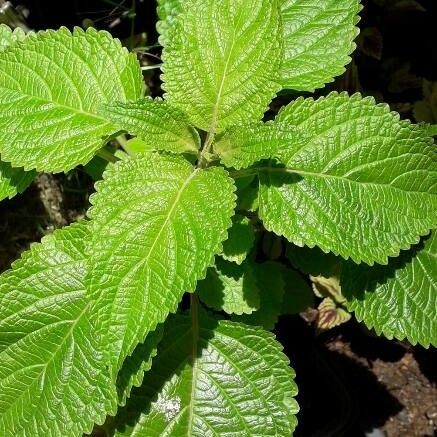
Plant Overview
Known for its sharply pointed leaves and spicy, herbal fragrance, Lippia acuminata is a resilient shrub native to the rocky scrublands and dry forests of South America. A member of the Verbena family, this plant is often cherished by enthusiasts for its "wild" aesthetic and its ability to release a refreshing, citrusy aroma whenever the foliage is brushed.
🔍 How to Identify
- 🍃 Acuminate Leaves: As its name suggests, the leaves are "acuminate," meaning they taper into a long, slender point at the tip.
- 🦷 Serrated Margins: The edges of the leaves are noticeably saw-toothed, giving the plant a textured, slightly rugged appearance.
- 🌸 Axillary Blooms: Small, delicate clusters of white or pale lavender flowers emerge from the "axils" (the joints where the leaf meets the stem).
- 🪵 Woody Base: As the plant matures, the lower stems become woody and greyish, while the new growth remains vibrant green and flexible.
🏡 In Your Garden
- ☀️ Heat Endurance: This species is a champion of the sun. It has evolved to thrive in harsh, well-draining soils where other plants might wither, making it an excellent choice for rock gardens or xeriscaping.
- 🦋 Pollinator Magnet: While the flowers are tiny, they are rich in nectar. Expect to see a variety of small butterflies and native bees visiting the plant throughout the warmer months.
- ✂️ Pruning Needs: Because it can become leggy or "scraggly" in rich garden soil, it benefits from a hard prune after its flowering season to maintain a bushy, compact shape.
⚠️ Safety & Toxicity
- 🟢 General Status: Lippia acuminata is generally considered non-toxic to humans. However, like many aromatic plants in the Verbenaceae family, its concentrated essential oils can be potent.
- 🐾 Pets & Kids: While not listed as a major toxin, the rough texture and high oil content may cause mild skin irritation or digestive upset if large quantities are chewed. It is best kept as an ornamental rather than a culinary herb unless specifically prepared.
✨ Fun Fact
Many species in the Lippia genus are referred to as "Wild Oregano" in South America because their leaves contain carvacrol and thymol—the same chemical compounds that give culinary oregano its signature savory punch!

Detailed Care Instructions








