Plant Overview
Known as "Mexican Oregano" or "Scented Lippia," this plant is the aromatic secret behind many authentic salsas, moles, and chili recipes. Despite its common name, it isn't a true oregano; it is actually a member of the Verbena family, making it a close cousin to Lemon Verbena. Native to the arid regions of Mexico and the Southwestern United States, it is a rugged survivor that thrives where other herbs might wither.
🔍 How to Identify
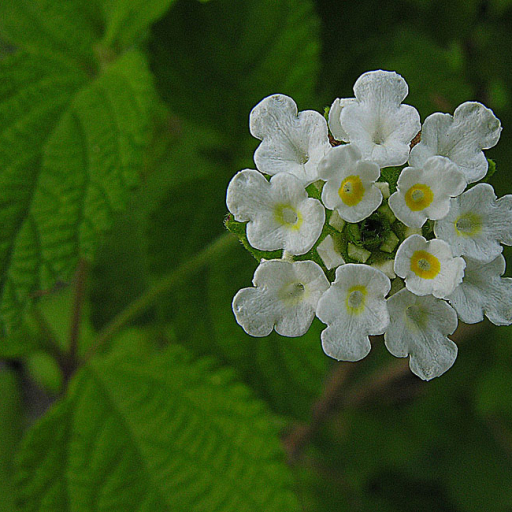
- 🌿 The Foliage: Small, oval, grayish-green leaves with a distinct "crinkled" or veiny texture and finely serrated edges. The leaves are covered in tiny, velvety hairs.
- 🌼 The Blooms: Delicate, tight clusters of tiny white or pale-yellow flowers with bright yellow centers that pop out from the leaf joints.
- 👃 The Scent: When the leaves are bruised or crushed, they release an intense, pungent aroma that is earthier and more citrus-forward than Mediterranean oregano.
🏡 In Your Garden
- ☀️ Sun & Stress: This plant is a true desert dweller. It produces the highest concentration of flavorful essential oils when grown in full sun and slightly "stressed" by heat and dry conditions.
- 🪴 Soil Preference: It hates "wet feet" and is prone to root rot in heavy clay. It prefers rocky, well-draining soil and is an excellent choice for xeriscaping or low-water herb gardens.
- ✂️ Pruning: It can become quite woody and "leggy" over time. Regular harvesting of the tips encourages a bushier, more attractive shape and prevents it from looking like a stray desert scrub.
⚠️ Safety & Toxicity
- 🍽️ Human Consumption: Safe and highly prized as a culinary herb. It is much stronger than regular oregano, so a little goes a long way in the kitchen.
- 🐾 Pet Safety: Generally considered non-toxic in small amounts, but the high concentration of essential oils (thymol and carvacrol) can cause mild digestive upset in cats or dogs if they graze on it heavily.
✨ Fun Fact
- 🧪 Potency Power: Lippia graveolens contains significantly more essential oils than common oregano, giving it potent antioxidant and antimicrobial properties. In traditional Mexican medicine, it has been used for centuries as a tea to soothe respiratory issues and upset stomachs.

Detailed Care Instructions
To grow Lippia Graveolens, also known as Mexican oregano or Mexican marjoram, you can follow these steps:
- Choose the right location: Lippia Graveolens prefers full sun but can tolerate partial shade. Make sure the location has well-draining soil.
- Planting: Plant the Lippia Graveolens seeds or cuttings in the spring after the last frost. If you are using seeds, it is recommended to soak them in warm water for a few hours before planting. Dig a small hole, place the seeds or cuttings, and cover lightly with soil.
- Watering: Water the plant regularly, keeping the soil evenly moist but not soggy. Lippia Graveolens is drought-tolerant, so make sure to avoid overwatering.
- Fertilization: Apply a balanced, slow-release fertilizer in spring to promote healthy growth. Follow the instructions on the fertilizer package for application rates.
- Pruning: Prune Lippia Graveolens regularly to maintain its shape and encourage bushiness. Pinch back the tops of the plant to promote lateral growth. Trim off any dead or damaged branches.
- Pests and diseases: Lippia Graveolens is relatively resistant to pests and diseases but can occasionally be affected by aphids or whiteflies. Monitor the plant regularly and treat any infestations promptly using organic pest control methods if necessary.
- Harvesting: Harvest the leaves of Lippia Graveolens as needed. The leaves are most flavorful just before the plant flowers. Cut the stems with a sharp pair of scissors, leaving at least two sets of leaves on the plant to allow for regrowth.
- Storage: Dry the harvested leaves by hanging them in a well-ventilated area. Once dried, store them in an airtight container in a cool, dark place.
By following these steps, you can successfully grow Lippia Graveolens and enjoy its aromatic leaves.

Place in a bright room that is sun drenched almost all day. Or directly in a south-facing window.

To water this plant, first, it is important to check the soil moisture level by inserting a finger about an inch into the soil. If it feels dry, it is time for watering. Use a watering can or hose with a gentle flow to water around the base of the plant until water runs out of the drainage holes. Avoid overwatering as this can lead to root rot. During hot and dry weather, it may require more frequent watering. Additionally, it is recommended to water early in the morning or late in the evening to prevent water evaporation.
- Choose a well-draining pot or planting area for your Lippia Graveolens plant.
- Prepare a balanced, water-soluble fertilizer with equal amounts of nitrogen, phosphorus, and potassium (NPK).
- Dilute the fertilizer according to the manufacturer's instructions or use half the recommended strength to avoid over-fertilization.
- Apply the diluted fertilizer to the soil around the base of the plant, avoiding direct contact with the foliage.
- Water the plant thoroughly after fertilizing to ensure the nutrients are absorbed by the roots.
- Repeat the fertilization process every four to six weeks during the active growing season, typically spring through summer.
- Monitor the plant's growth and appearance. If it shows signs of nutrient deficiency or excessive growth, adjust the fertilization frequency or concentration accordingly.
- During the plant's dormant period in winter or when growth slows down, reduce or stop fertilizing altogether.
Note: It is always recommended to follow the specific instructions provided on the fertilizer packaging and consult with a local gardening expert for tailored guidance based on regional conditions.
The ideal soil for the plant in question is one that is well-draining and rich in nutrients. It should have a pH level ranging from slightly acidic to neutral. A mixture of compost and sand can be added to the soil to improve its texture and drainage. It is essential to avoid heavy and compacted soils, as they can lead to root rot and other diseases. Furthermore, the soil should be kept moist, but not overly saturated, as the plant is susceptible to root rot when exposed to excessive moisture. Organic matter can be added as a top dressing to provide ongoing nutrient support for the plant as it grows.
Lippia Graveolens is a perennial plant that can be propagated through various methods. Here is a detailed guide on how to propagate this plant:
- Seeds: Collect mature seeds from the plant once they have ripened. Soak the seeds in water for 24 hours to help with germination. Sow the seeds in well-draining soil, either in seed trays or directly in the garden bed. Cover the seeds lightly with soil and keep them moist until germination, which usually takes around one to two weeks.
- Stem Cuttings: Take stem cuttings from a healthy Lippia Graveolens plant during the growing season, preferably in spring or early summer. Select a non-flowering stem that is around 3-6 inches long. Using a clean, sharp knife, cut the stem just below a node (the point where leaves emerge). Remove the lower leaves, leaving only a few sets of leaves at the top. Dip the cut end in rooting hormone to promote root development. Plant the cutting in a well-draining potting mix or directly in the garden soil, ensuring that at least one node is buried. Keep the soil moist and place the cutting in a warm, bright location, but away from direct sunlight. Rooting should occur within a few weeks.
- Division: Divide mature Lippia Graveolens plants in early spring or early fall. Dig up the plant gently, being careful not to damage the roots. Separate the multiple stems or clumps by cutting them using a sharp, clean knife. Each division should have its own set of roots and shoots. Immediately replant the divisions in a well-prepared garden bed or individual pots filled with well-draining soil. Water thoroughly and keep the divisions consistently moist until they establish a strong root system.
- Layering: Choose a long, flexible stem from a mature Lippia Graveolens plant. Gently wound the stem around a small mound of soil, leaving a section exposed at the wound. Secure the buried section of the stem to the soil using a U-shaped plant pin or a small stake. Cover the stem with soil, leaving the exposed section above the ground. Ensure that the wound is covered with soil. Water the layered stem regularly to keep the soil moist. After a few weeks or months, the layered section should produce roots. Once roots have formed, cut the stem from the parent plant and transplant the layered section into a new location or container.
By following these propagation methods, you can increase your Lippia Graveolens plant collection and enjoy the aromatic and therapeutic benefits it provides.
Common pests of the mexican-sage include Spider mites, fungus gnats, aphids. Make a habit of checking your mexican-sage frequently for pests so that any infestations can be caught and managed early.








