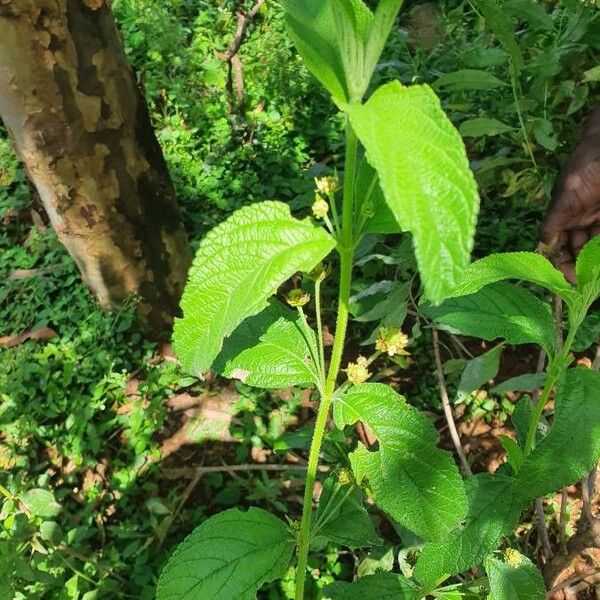
Plant Overview
Known as the Kenyan Lemon Bush, Lippia kituiensis is a fragrant treasure native to the sun-drenched highlands of East Africa. This hardy, woody shrub is beloved by locals and enthusiasts alike for its intense citrus aroma, which is often described as a blend of lemon, mint, and wild sage. In its native habitat, it is a staple of the landscape, often found bordering footpaths where its scent is released whenever a passerby brushes against its leaves.
🔍 How to Identify
- 🍃 Textured Foliage: The leaves are small, oval, and have distinctively serrated (toothed) edges. They feel slightly rough or "sandpapery" to the touch due to tiny hairs on the surface.
- 🌼 Cone-like Blooms: It produces tiny, creamy-white or pale-yellow flowers that grow in compact, cylindrical clusters (spikes) emerging from the base of the leaves.
- 🌿 Square Stems: Like many members of the verbena family, its younger branches often have a subtly square shape before turning woody and brown with age.
🏡 In Your Garden
- ☀️ Sun Seeker: This plant is a true sun-worshiper. It thrives in bright, direct light and becomes leggy or sparse if kept in the shade.
- ✂️ Pruning Preference: Because it has a vigorous, somewhat wild growth habit, it appreciates regular "haircuts." Pruning after a flowering cycle keeps the bush dense and prevents it from becoming overly woody.
- 🦋 Pollinator Magnet: In a garden setting, it acts as a central hub for biodiversity; its nectar-rich flowers are irresistible to honeybees, butterflies, and hoverflies.
⚠️ Safety & Toxicity
- ✅ Status: Generally non-toxic to touch, but caution is advised regarding ingestion.
- 🐾 Pet Safety: While not listed as highly "deadly," the concentrated essential oils (like carvone and limonene) found in Lippia species can cause digestive upset or skin irritation in curious cats and dogs. It is best kept as an ornamental rather than a snack for pets.
- 🧤 Skin Sensitivity: Some individuals may experience mild contact dermatitis (redness or itching) if they handle the crushed leaves extensively in bright sunlight.
✨ Fun Fact
In many rural Kenyan communities, Lippia kituiensis is known as a "living mosquito net." Bundles of the fresh herb are traditionally hung in doorways or burned in small fires to naturally repel mosquitoes and flies using its potent citronella-like oils.

Detailed Care Instructions








