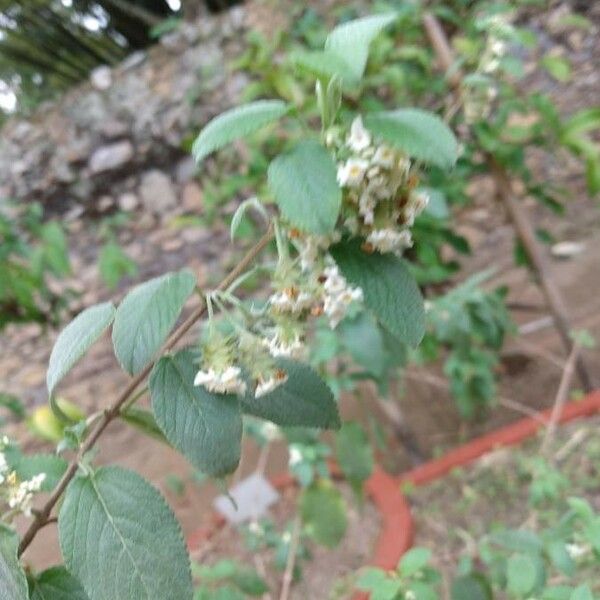
Plant Overview
Often called the "Wild Mexican Oregano," Lippia origanoides is a powerhouse of flavor that actually belongs to the Verbena family rather than the mint family. Known as "Oregano de Monte" in its native Latin America, this hardy shrub is famous for an intense, citrusy-peppery aroma that puts common grocery store oregano to shame. It has been a staple in traditional kitchens and folk medicine for centuries, prized for its robust personality and incredible resilience.
🔍 How to Identify
- 🌿 Foliage Texture: Small, oval-shaped leaves that feel slightly rough or velvety to the touch due to a coating of tiny, fine hairs.
- 🌼 Floral Clusters: It produces delicate, tiny white or creamy-yellow flowers that grow in tight, circular clusters (spikes) nestled among the leaf axils.
- 🪵 Woody Habit: Unlike the soft, low-growing Mediterranean herbs, this plant develops a woody base and can grow into a sturdy, multi-branched shrub.
🏡 In Your Garden
- ☀️ Sun Worshiper: This plant thrives on heat and intense light; the more sun it receives, the more concentrated and pungent its aromatic oils become.
- 🏜️ Drainage is Key: It is highly susceptible to root rot if kept in soggy soil. It prefers "lean" or rocky earth, mimicking the arid, limestone-rich hillsides of its native habitat.
- ✂️ Pruning for Flavor: To keep the plant from becoming too "leggy" or sparse, regularly pinch back the tips. This encourages a bushier shape and provides a constant supply of fresh leaves for the kitchen.
⚠️ Safety & Toxicity
- 🍲 Status: Safe for culinary use. It is a primary ingredient in many authentic chili powders and traditional mole recipes.
- 🐾 Pet Sensitivity: While the leaves are generally safe in small amounts, the concentrated essential oils (thymol and carvacrol) found in the plant can cause digestive upset in cats and dogs if ingested in large quantities.
- 🧤 Skin Contact: Most people handle the plant without issue, but those with very sensitive skin might experience mild irritation from the resinous oils during heavy pruning.
✨ Fun Fact
Despite its name and flavor, Lippia origanoides is more closely related to Lemon Verbena and Lantana than it is to the "true" Oregano used on Italian pizzas! It contains a much higher concentration of essential oils, making it a favorite for extracting powerful antimicrobial extracts.

Detailed Care Instructions
To grow Lippia Origanoides, also known as Mexican oregano, follow these steps:
- Choose the right location: Lippia Origanoides prefers full sun to partial shade, so select a spot in your garden that receives at least 6 hours of direct sunlight.
- Prepare the soil: Mexican oregano thrives in well-draining soil, so ensure the soil is loose and fertile. If your soil is heavy or compacted, amend it by adding organic matter like compost or well-rotted manure.
- Planting: If you are starting from seeds, sow them directly in the garden after the last frost. Scatter the seeds on the prepared soil and lightly cover them with a thin layer of soil. Gently water them to keep the soil moist until the seeds germinate.
If you decide to start with young plants or seedlings, dig a hole twice the size of the root ball and place the plant in it. Backfill the hole with soil, gently firm it around the roots, and water thoroughly.
- Watering: Lippia Origanoides prefers moderately moist soil. Water the plants regularly, especially during dry periods, to keep the soil evenly moist. However, make sure not to overwater, as this plant doesn't tolerate waterlogged conditions.
- Fertilization: Apply a balanced, slow-release fertilizer once or twice a year, following the instructions on the fertilizer package. Alternatively, you can feed the plant with compost or organic fertilizer in spring and mid-summer.
- Pruning: Prune the plant lightly after flowering to maintain a compact and bushy shape. This also helps to encourage new growth.
- Mulching: Apply a layer of organic mulch around the base of the plant to help retain moisture, suppress weeds, and regulate soil temperature.
- Pests and diseases: Lippia Origanoides is relatively resistant to pests and diseases. However, keep an eye out for common garden pests like aphids or whiteflies. If you notice any infestation, use appropriate organic pest control methods such as insecticidal soap or neem oil.
Remember to regularly monitor the plant's growth, provide adequate care, and enjoy harvesting the aromatic leaves for culinary purposes.

Place in a bright room that is sun drenched almost all day. Or directly in a south-facing window.

To water this particular plant, it is recommended to first check the soil moisture level before proceeding. This can be done by sticking a finger about an inch into the soil and feeling for moisture. If the soil feels dry, it is time to water.
When watering, make sure to do so slowly and evenly across the soil surface. Avoid watering too much or too quickly as this can cause water to pool and potentially damage the roots. It is also important to avoid letting the plant sit in standing water as this can lead to root rot.
As for frequency, this will depend on various factors such as the plant size, pot size, humidity levels, and temperature. As a general rule of thumb, it is recommended to water once a week or more frequently if the plant is in a warm, dry environment. However, it is always best to check the soil moisture level and adjust the watering schedule accordingly.
To fertilize this plant, it is recommended to use a balanced fertilizer with an NPK ratio of around 10-10-10. Fertilize every 6-8 weeks during the growing season, following the instructions on the fertilizer label. Be sure to water the plant thoroughly before and after fertilizing to prevent fertilizer burn. Avoid over-fertilizing, as this can lead to excess growth and weak stems.
Lippia Origanoides is a plant that requires well-draining soil with good moisture retention capacity. The soil should be rich in organic matter and have a slightly acidic to neutral pH level. The plant thrives in loamy soils that are neither too heavy nor too light. Sandy soils are also suitable for this plant as they allow for good aeration and drainage. However, the plant cannot survive in clay soils due to poor drainage and waterlogging that can cause root rot or other diseases. It is essential to ensure that the soil is free of weeds, stones, and other debris that may hinder proper growth and development. Additionally, the soil should be fertilized regularly with balanced nutrients to promote healthy growth and prevent nutrient deficiencies. It is recommended to test the soil's pH level before planting to ensure it is suitable for the plant.
To propagate this plant, you can take stem cuttings of about 10cm in length from the parent plant. Make sure the cuttings are taken from healthy and disease-free areas of the parent plant and have at least 2-3 nodes.
Strip away the leaves from the bottom of the cutting and dip the cut end in rooting hormone powder to encourage rooting. Plant the cutting in a well-draining potting mixture or soil, deep enough to cover at least one node.
Keep the soil moist and place the cutting in a warm and bright location, but not in direct sunlight. You can cover the cutting with a plastic bag or a clear plastic cup to create a humid environment that can help the cutting root faster.
After a few weeks, you should see new growth and roots starting to form. Once the roots have developed enough, you can transplant the new plants into their own pots or into a larger one if you want to grow a bigger plant. Keep the new plants in the same warm and bright location, gradually acclimating them to more sunlight as they grow stronger.
Common pests of the mexican oregano include Spider mites, fungus gnats, aphids. Make a habit of checking your mexican oregano frequently for pests so that any infestations can be caught and managed early.








