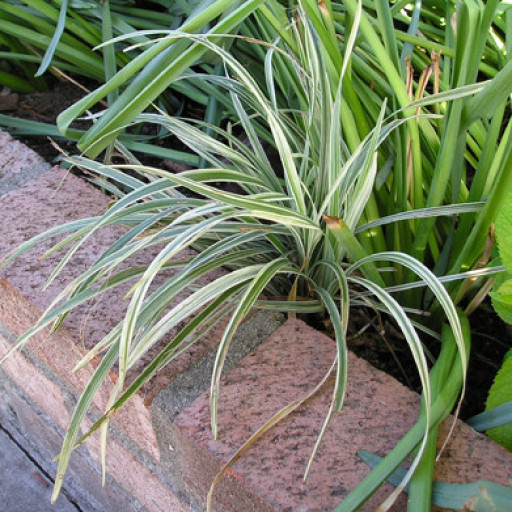
Plant Overview
Often called "Lilyturf" or "Monkey Grass," Liriope is the ultimate problem-solver for the home landscape. While its narrow leaves look exactly like ornamental grass, it is actually a resilient member of the asparagus family. It is beloved by gardeners for its ability to thrive in "dry shade"—those tricky spots under large trees where almost nothing else survives—offering a lush, evergreen carpet year-round.
🔍 How to Identify
- 🍃 The Foliage: Look for dense, arching tufts of strap-like leaves. Depending on the variety, these may be deep forest green or striped with creamy yellow variegation.
- 🪻 Summer Blooms: In late summer, vertical spikes emerge from the center of the tufts, covered in tiny, bead-like purple or lavender flowers that resemble Grape Hyacinths.
- 🌑 The Berries: After the flowers fade, they are replaced by clusters of dark, shiny, blackish berries that often persist through the winter months.
🏡 In Your Garden
- 🌳 The Root Competitor: Liriope is incredibly tough because it possesses fleshy, tuberous roots that store water. This allows it to compete for moisture even when planted directly over the aggressive root systems of large oaks or maples.
- ✂️ The Spring Haircut: While it is evergreen, the leaves can look a bit "shaggy" or tattered by the end of winter. To keep it looking its best, shear the plant back to the ground in early spring before the new shoots emerge to ensure a fresh, vibrant look.
⚠️ Safety & Toxicity
- 🐾 Pet Friendly: Liriope is generally considered non-toxic to dogs, cats, and horses. It is a much safer alternative to true lilies for households with curious pets.
- 👶 Berry Caution: While not considered highly poisonous, the black berries can cause mild stomach upset or nausea if ingested by children or pets. It is best treated as an ornamental plant rather than a food source.
✨ Fun Fact
The genus is named after the Greek woodland nymph Liriope, the mother of Narcissus. According to myth, she was a water nymph, which is ironic considering how well this plant handles dry, drought-prone soil!

Detailed Care Instructions
To grow Liriope plants, also known as monkey grass or lilyturf, follow these steps:
- Select a suitable planting location: Liriope plants prefer partial shade to full shade. They can tolerate a variety of soil types but prefer well-draining soil.
- Prepare the soil: Prepare the planting area by removing any weeds, rocks, or debris. Loosen the soil using a garden fork or tiller.
- Planting: Dig a hole slightly larger than the root ball of the liriope plant. Place the plant in the hole, making sure the top of the root ball is level with or slightly above the soil surface. Fill in the hole with soil and gently tamp it down to remove air pockets.
- Watering: Water the newly planted liriope thoroughly after planting. Keep the soil consistently moist, especially during the first growing season.
- Mulching: Apply a layer of organic mulch, such as wood chips or straw, around the base of the plant. This will help retain moisture, suppress weeds, and provide insulation.
- Maintenance: Liriope plants are relatively low maintenance but benefit from regular care. Keep the soil evenly moist, especially during hot and dry periods. Cut back any yellow or damaged foliage in early spring to promote new growth. Every few years, divide the plants in early spring or fall to control their spread and maintain their vigor.
- Fertilization: Apply a balanced fertilizer (such as a 10-10-10 or 14-14-14) in early spring and late summer to provide essential nutrients for healthy growth.
- Pest and disease control: Liriope plants are generally resistant to pests and diseases. However, they may occasionally be affected by slugs or snails. Use organic pest control methods or employ physical barriers to prevent damage.
By following these steps, you should be able to successfully grow Liriope plants and enjoy their attractive foliage and compact, spreading habit.

Place in a bright room that is sun drenched almost all day. Or directly in a south-facing window.

To water this type of plant, it is recommended to use a watering can or hose with a gentle stream. It is important to avoid getting water on the leaves as it may encourage fungal growth. Water the plant deeply once or twice a week, especially during hot and dry weather. To ensure proper drainage, avoid watering too frequently and allow the soil to dry out slightly between each watering. The plant prefers moist soil but does not tolerate sitting in waterlogged soil. Watering should be adjusted based on the plant's growth stage and season.
For best results, use a slow-release fertilizer in early spring before new growth emerges. Spread the fertilizer evenly over the plant's root zone and water it well. Avoid getting fertilizer on the leaves or stems, as it can cause burn damage. Repeat fertilization in late summer or early fall to promote healthy growth and development. Always follow package instructions and use the recommended amount of fertilizer for the plant size. Lastly, do not over-fertilize as it can harm the plant's health and may lead to growth problems.
Liriope plants typically require soil that is well-draining and rich in organic matter. The soil should be slightly acidic, with a pH range of around 5.5 to 6.5. It is important to ensure that the soil is not too dense or compacted, as this can hinder root development and water uptake. Adding compost or other organic materials to the soil can help improve its texture and nutrient content. Additionally, it is important to ensure that the soil is evenly moist, but not waterlogged, as this can lead to root rot and other issues. It is recommended to test the soil before planting to ensure it meets the plant's needs and make any necessary adjustments.
There are a few methods to propagate the plant. One is through division, where the plant is gently dug up and the root system is separated into sections that each have a few stems and leaves. These sections can be repotted or planted directly into the ground.
Another approach is through planting the seeds, which can take longer to establish but can result in many new plants. The seeds can be collected from mature plants and sown in a well-draining soil mix.
Finally, stem cuttings can be taken from healthy plants and rooted in a rooting hormone solution before being transplanted into soil. It's important to keep the soil moist and the plant in a shaded area until it has established roots and begins to produce new growth.







