Plant Overview
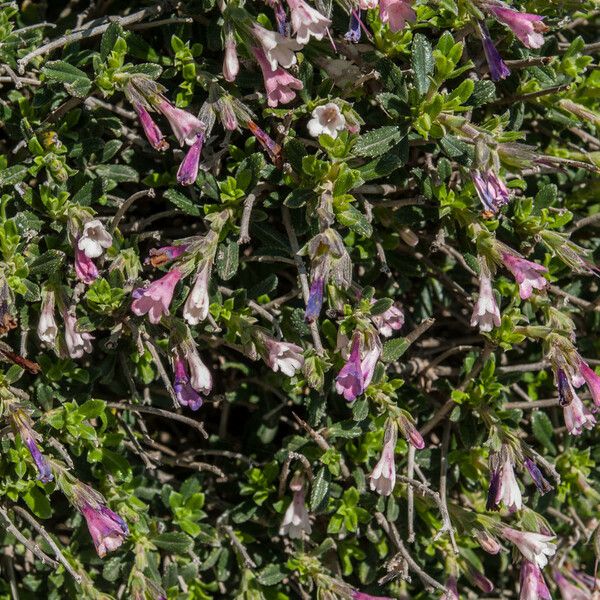
Lithodora hispidula is a hardy, sun-loving gem of the Mediterranean. Often found clinging to rocky hillsides or limestone crevices, its name literally translates to "stony gift," a nod to its preference for rugged, mineral-rich terrain. This woody sub-shrub creates a low, dense carpet of deep green and vibrant azure that feels like a piece of the Greek coastline brought to your backyard.
🔍 How to Identify
- 🌿 The Foliage: Small, narrow leaves covered in stiff, bristly hairs (known as "hispid") that feel rough and sandpaper-like to the touch.
- 🌸 The Bloom: Tiny, trumpet-shaped flowers that often start as soft pink or white buds before opening into intense violet or electric blue stars.
- 🪵 The Frame: A low-growing, mounding habit with woody stems that become increasingly gnarled and tough as the plant ages.
🏡 In Your Garden
- 🪨 Rocky Roots: This plant thrives on "tough love" and absolute drainage. It is the perfect candidate for rock gardens or crevices between paving stones; it will quickly rot if planted in heavy, water-retaining clay soil.
- ☀️ Sun Seeker: To keep the foliage dense and the floral display vivid, it requires full, direct sun. If placed in the shade, the plant will become "leggy" (stretched out) and the distinctive blue color of the flowers will fade.
⚠️ Safety & Toxicity
- 🐾 Pet Friendly: Lithodora hispidula is generally considered non-toxic to dogs, cats, and horses, making it a worry-free choice for ground-level borders.
- 🧤 Skin Irritation: While not poisonous, the "hispid" bristles on the leaves can be quite prickly. Some gardeners find the hairs cause mild skin redness or itching, so wearing gloves during pruning is recommended.
✨ Fun Fact
The genus name Lithodora comes from the Greek words lithos (stone) and dorea (gift). It is a true survivor, evolved to bloom in the harsh, salty winds and scorching heat of the Mediterranean islands where many more delicate plants would wither.

Detailed Care Instructions
| Humidity | Dry |
| Lighting | Part Sun |
| Difficulty | Easy |
| Temperature | 20°C - 29°C |
| Hardiness Zones | 9 - 11 |
To grow Lithodora Hispidula, follow these steps:
- Choose a suitable location: Lithodora Hispidula prefers full sun to partial shade. Ensure the soil is well-draining and slightly acidic.
- Prepare the soil: Amend the soil by adding organic matter, such as compost, to improve drainage and fertility. Remove any weeds or rocks from the planting area.
- Planting: Dig a hole slightly larger than the root ball of the plant. Gently loosen the root ball and place it in the hole. Make sure the top of the root ball is level with the ground surface. Backfill the hole with soil and lightly tamp it down.
- Watering: Water newly planted Lithodora Hispidula thoroughly and regularly, especially during the first few weeks. After that, once established, it is drought-tolerant and requires less frequent watering. However, ensure the soil does not completely dry out.
- Mulching: Apply a layer of organic mulch, such as bark or wood chips, around the base of the plant to help retain moisture and control weeds.
- Fertilizing: Lithodora Hispidula does not typically require regular fertilization. However, if you choose to fertilize, use a balanced, slow-release fertilizer in early spring.
- Pruning: Occasional trimming may be required to maintain a compact shape. Prune after flowering to encourage new growth and potential reblooming.
- Winter care: In regions with colder winters, protect Lithodora Hispidula from extreme cold. Apply a layer of mulch around the base of the plant to help insulate the roots.
By following these care guidelines, your Lithodora Hispidula should thrive and provide beautiful blue flowers throughout the growing season.

Lithodora Hispidula is a type of plant that requires moderate watering. You should aim to keep the soil moist but not overly saturated. To water this plant, you should use a watering can or hose with a gentle spray nozzle. Water the plant at the base, near the roots, and avoid getting water on the leaves. It's important to monitor the soil moisture level regularly, especially during the hotter months, and adjust your watering schedule accordingly. Additionally, it's recommended to avoid watering during the hottest part of the day to prevent scorching the plant.
To fertilize this plant, use a fertilizer with a balanced N-P-K ratio, such as a 10-10-10 fertilizer. Apply the fertilizer at a rate of one tablespoon per square foot of planting area, avoiding direct contact with the plant. Water thoroughly after application. Fertilize once every two to three months during the growing season.
Lithodora hispidula is a low-growing evergreen plant that needs well-draining soil. It prefers a soil type that is slightly acidic to neutral with a pH ranging between 5.5 and 7.5. The best soil for this plant is a loamy soil that is rich in organic matter and contains sand and gravel to help ensure proper drainage. A soil mix containing compost, peat moss, and perlite or coarse sand will work well for Lithodora hispidula. It is important to make sure that the soil is not too heavy or compacted as this can lead to root rot and other diseases. A good rule of thumb is to make sure that the soil is loose and fluffy so that water can drain through it easily and air can circulate around the roots. Additionally, the plant should be planted in a location that receives full sun to part shade and is protected from harsh winds.
To propagate this plant, take stem cuttings in the spring or early summer, when the plant is actively growing. Cut off a piece of stem that is about 5-8 cm long, making sure it has several leaf nodes. Remove the bottom set of leaves, leaving only 2-3 sets at the top. Dip the cut end in rooting hormone powder and plant it in moist, well-draining soil. Cover the cutting with a clear plastic bag or dome to create a humid environment and place it in indirect sunlight. Water the cutting regularly to keep the soil moist but not wet. After a few weeks, the cutting should start to grow roots. Once the roots are established, it can be transplanted to a larger pot or planted outside in a garden bed.








