Plant Overview
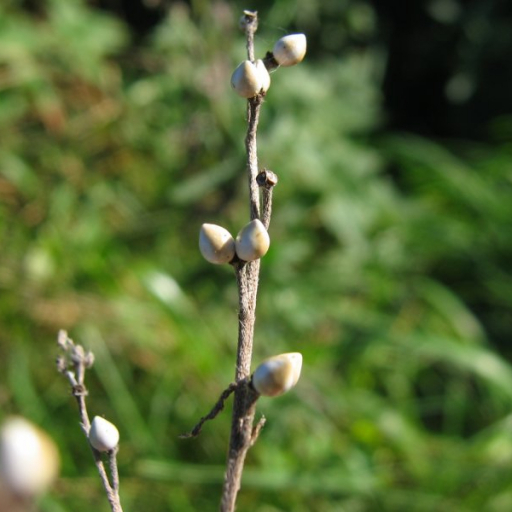
Known as the "Common Gromwell" or "Stony Seed," Lithospermum officinale is an ancient resident of European meadows and hedgerows. Its name is derived from the Greek words for "stone" and "seed," perfectly describing the tiny, porcelain-like nutlets that cling to the plant. Historically, this plant was a staple in the satchels of medieval herbalists, who believed its rock-hard seeds held the secret to curing internal ailments.
🔍 How to Identify
- 💎 The "Stone" Seeds: The most distinctive feature is the fruit. It produces four small, white, highly polished nutlets that feel as hard as ceramic or marble.
- 🌿 Rough Foliage: The leaves are lance-shaped and covered in short, stiff hairs, giving the plant a sandpaper-like texture when touched.
- 🌼 Discreet Blooms: During early summer, it produces clusters of small, trumpet-shaped flowers. They are a modest creamy-white or pale greenish-yellow, tucked away at the ends of the branches.
🏡 In Your Garden
- 🌱 The Alkaline Specialist: Common Gromwell is a "calcicole," meaning it thrives in lime-rich, alkaline soils. If your garden soil is acidic, this plant likely won't survive without a generous dusting of garden lime.
- 🐝 Pollinator Support: While the flowers are tiny and easily missed by humans, they are a steady source of nectar for specialized bees and hoverflies, making it a great addition to a wilder, "cottage-style" garden.
- 🍃 Low Maintenance: Once established, it is incredibly hardy and drought-tolerant. It doesn't require frequent pruning, but it does prefer a spot with partial shade to full sun where it won't be crowded out by more aggressive perennials.
⚠️ Safety & Toxicity
- 🟢 General Safety: Common Gromwell is generally considered non-toxic to touch, though the stiff hairs on the stems can cause mild skin irritation for those with sensitive skin.
- 🐾 Ingestion Warning: Like many members of the Borage family, it may contain trace amounts of pyrrolizidine alkaloids. While not considered deadly, it should not be consumed by humans or pets, as these compounds can cause liver stress over long periods.
✨ Fun Fact
In the Middle Ages, Common Gromwell was the poster child for the "Doctrine of Signatures"—a theory that plants resembling body parts could treat those parts. Because the seeds are so hard and stone-like, ancient healers used the plant to treat kidney and bladder stones!

Detailed Care Instructions
| Humidity | Normal |
| Lighting | Part Sun |
| Difficulty | Medium |
| Hibernation | Cold Period |
| Hardiness Zones | 5 - 9 |
To grow Lithospermum officinale (common gromwell) plants, you can follow these steps:
- Seed sourcing: Purchase Lithospermum officinale seeds from a reputable nursery or online seed supplier.
- Soil preparation: Choose a well-draining soil with moderate fertility. Remove any weeds, rocks, or debris from the planting area.
- Sowing seeds: Sow the seeds directly into the prepared soil in spring or autumn. Lightly press the seeds into the soil and cover them with a thin layer of soil.
- Sunlight: Lithospermum officinale prefers full sun, so choose a location with at least 6 hours of direct sunlight per day.
- Watering: Keep the soil consistently moist but not waterlogged. Water the plants regularly, especially during dry periods.
- Mulching: Apply a layer of organic mulch, such as wood chips or straw, around the plants to help retain moisture and suppress weed growth.
- Maintenance: Remove any weeds that may compete with the growing plants. Thin out any overcrowded seedlings to allow room for them to grow.
- Fertilization: Lithospermum officinale is a hardy plant that usually doesn't require fertilization. However, you can apply a balanced slow-release fertilizer in spring if desired.
- Pests and diseases: This plant is generally resistant to pests and diseases, but keep an eye out for any signs of infestation or damage. Treat as necessary with organic or chemical pest control methods.
- Harvesting: Lithospermum officinale is typically grown for its medicinal properties. Harvest the roots in autumn when the plant is 2-3 years old. Wash, dry, and store the roots in a cool, dry place for future use.
Remember to check your local regulations before harvesting or using any plant for medicinal purposes.

Place in a bright room that is sun drenched almost all day. Or directly in a south-facing window.

Lithospermum Officinale requires consistent and moderate watering throughout its growth period. It is important to provide water to the plant only when the top inch of soil feels dry to the touch. This plant prefers well-drained soil, so it is important to not overwater and to ensure that the soil is not waterlogged. When watering, it is best to water at the base of the plant, avoiding wetting the leaves to prevent the development of fungal diseases. It is important to note that this plant can tolerate short periods of drought, but prolonged periods of dryness can lead to stunted growth and poor flowering.
To fertilize this plant, begin by selecting a balanced organic fertilizer containing equal amounts of nitrogen, phosphorus, and potassium. Dilute the fertilizer according to the instructions on the package. Once diluted, apply the fertilizer to the soil around the base of the plant. Be careful not to let the fertilizer come into contact with the leaves or stem of the plant, as this can cause burning. Water the plant thoroughly after fertilizing to help the nutrients soak into the soil. Repeat this process every four to six weeks during the growing season, which typically occurs between early spring and late fall.
The ideal soil for the plant in question should be well-draining, slightly acidic, and rich in organic matter. It should have a pH level between 5.5 to 7.0. The soil should be moisture retentive but not waterlogged. It should be friable enough to allow good root penetration and aeration. A mix of peat moss, perlite, and sand is a good option for growing this plant. Adding compost or aged manure can also improve the soil structure and provide nutrients for the plant. Avoid using soils that are heavy, clayey, or compacted as they can lead to poor drainage and root rot.
Lithospermum officinale is a perennial plant that can be propagated through various methods. One way to propagate this plant is through seed propagation. Collect the seeds from the mature plants in the fall when the seedpods turn brown. Sow the seeds in a well-drained, fertile soil mix in the spring. Keep the soil moist and the seedlings in a warm, bright location until they are ready to transplant.
Another way to propagate Lithospermum officinale is through division. Dig up the mature plant in the spring or fall and gently separate the roots and shoots into smaller sections. Plant the new sections into pots or directly into the ground in a location with well-draining soil,
Lithospermum officinale can also be propagated through stem cuttings. Cut off about 6 inches of a healthy stem in the spring or summer and remove any leaves from the lower half. Dip the cut end in rooting hormone and plant it in a well-drained soil mix. Keep the soil moist and keep the cutting in a warm, bright location until roots grow.
Regardless of the propagation method, make sure to provide the new plant with adequate water and light until it establishes itself.








