Plant Overview
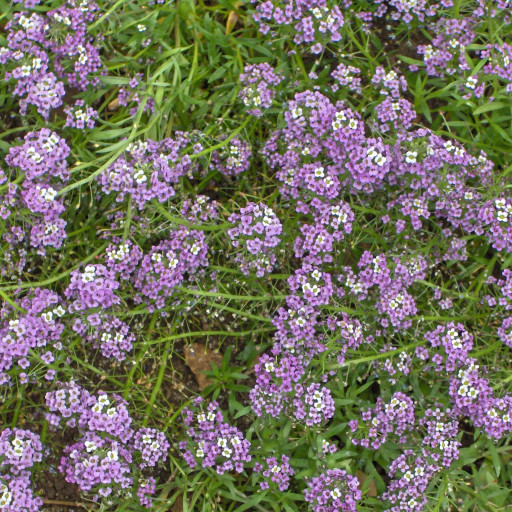
Known affectionately as Sweet Alyssum, Lobularia maritima is the gentle "carpet-maker" of the garden world. Native to the sun-drenched Mediterranean, this hardy little plant creates a low-drifting cloud of tiny blossoms that fill the air with a distinct, warm honey scent. Whether spilling over the edges of a stone wall or filling the gaps between paving stones, it acts as a living lace that softens any landscape.
🔍 How to Identify
- 🌸 Floral Clusters: Dense, rounded clusters of tiny, four-petaled flowers that look like miniature crosses. While classic white is most common, you’ll also find them in shades of lavender, deep purple, and rose.
- 🍃 Slender Foliage: Small, lance-shaped leaves that are a soft grey-green color and slightly hairy, though they are often completely hidden by the profusion of blooms.
- ☁️ Low-Profile Growth: It rarely grows taller than 4 to 9 inches, instead spreading outward to create a thick, cushion-like groundcover that mimics fallen snow.
🏡 In Your Garden
- 🐝 The Pollinator’s Best Friend: Alyssum is a powerhouse for "good bugs." It is famous for attracting hoverflies, whose larvae are voracious aphid eaters, making it a perfect natural pest-control partner for your vegetable patch.
- 🌡️ The Summer Siesta: While it loves the sun, this plant isn't a fan of intense, humid heat. If the flowers stop blooming in the peak of July, don't worry—give it a light "haircut" (trimming back by a third), and it will burst back into life as soon as the cooler autumn air arrives.
- 🌱 Resilient Self-Seeder: Though technically a short-lived perennial or annual, it is a champion at self-sowing. Once established, it will often "plant itself" in the same spot year after year without any extra work from you.
⚠️ Safety & Toxicity
- 🛡️ Non-Toxic Status: Lobularia maritima is generally considered non-toxic to humans, dogs, and cats. It is one of the "safest" choices for family-friendly gardens.
- 👅 Mild Irritation: While the flowers are technically edible and have a peppery, mustard-like flavor (it belongs to the Brassicaceae family), eating large quantities may cause mild stomach upset in very sensitive individuals or small pets.
✨ Fun Fact
The name "Alyssum" comes from the Greek word alysson, which translates to "against madness." Historically, it was believed that the plant could be used to treat or prevent the effects of rabies!

Detailed Care Instructions
Sweet alyssum can grow indoors. For overwintering, it's common to bring this plant indoors. Place it in a sunny or partially shady windowsill. It prefers cooler temps; avoid heat sources and draw the shade during the midday sun.
Where should I put sweet alyssum in my home?
Potted sweet alyssum can live near a sunny window with western or eastern sun exposure.
What are alternatives to sweet alyssum?
Since sweet alyssum grows invasively in some warmer climate areas, another similar-looking ground cover that is not invasive in those same areas is a snow-in-summer plant. It also grows in mats like sweet alyssum, bearing tiny white flowers that are deer-resistant and blooms in spring. It is listed as an invasive plant in Alaska. Sweet alyssum and snow-in-winter are suitable substitutes for each other.
| Color | Tiny Cross-Shaped, 4 Petal Flowers In White, Pale Pink And Purple, Clustered In Rounded Racemes. The Leaves Are Narrow, Lance-Shaped, Slightly Hairy Gray-Green Leaves. |
| Soil Ph | Alyssum Prefer A Neutral Soil Ph |
| Humidity | High |
| Lighting | Full Sun |
| Soil Type | They Like Rich, Loamy Soil |
| Bloom Time | Flowers Typically Bloom From June Through October. Some Plants May Continue Growing All Year Long. |
| Difficulty | Medium |
| Plant Type | Sweet Alyssum Is An Annual Plant, Although Some Varieties Are Hardy In Frost-Free Areas. |
| Mature Size | Most Varieties Grow 4 To 6 Inches High And 6 To 9 Inches Wide |
| Native Area | Native To The Mediterranean Region And In France In The Bay Of Biscay |
| Temperature | 5°C - 25°C |
| Sun Exposure | Sweet Alyssum Plants Will Grow In Either Full Sun Or Partial Shade. They Appreciate Some Shade During The Hottest Part Of The Day. |
| Hardiness Zones | Gardeners In Usda Hardiness Zones 7–11 May Have Plants That Continue Growing All Year Long. |
To grow Lobularia Maritima (also known as sweet alyssum), follow these steps:
- Climate and soil: Lobularia Maritima is a cool-season annual plant that prefers full sun exposure. It can tolerate a wide range of soil types but thrives in well-draining soil.
- Preparation: Choose a suitable location for planting, preferably one that receives at least 6 hours of sunlight each day. Clear the area of any weeds or debris and loosen the soil using a garden fork or tiller.
- Planting: Sow the seeds directly into the prepared soil in early spring, after the last frost date for your region. Scatter the seeds evenly and lightly press them into the soil. Avoid burying them too deep, as they require light to germinate.
- Watering: Keep the soil consistently moist during the germination period, which usually takes around 7-14 days. Water regularly but avoid overwatering, as it can cause root rot. Once established, Lobularia Maritima is fairly drought-tolerant.
- Thinning: Once the seedlings have grown to a couple of inches in height, thin them out to provide proper spacing. Space the plants 6-8 inches apart, allowing enough room for them to grow and spread.
- Fertilizing: Lobularia Maritima is a relatively low-maintenance plant that doesn't require heavy fertilization. However, you can apply a balanced, slow-release fertilizer during the growing season to promote healthy growth.
- Pruning: To encourage bushier growth and more blooms, pinch back the tips of the plants when they reach about 4-6 inches in height. This will also help prevent the plants from becoming leggy.
- Pests and diseases: Lobularia Maritima is generally resistant to pests and diseases. However, keep an eye out for aphids, snails, or slugs and take appropriate measures, such as handpicking or using organic pest control methods if necessary.
- Mulching: Applying a layer of organic mulch around the plants can help retain moisture, suppress weeds, and regulate soil temperature.
- Maintenance: Regular deadheading (removing spent flowers) will encourage continuous blooming throughout the season. Additionally, monitor the plants for any signs of stress or disease and take appropriate action.
By following these steps, you should be able to grow healthy and beautiful Lobularia Maritima plants.

Place in a bright room that is sun drenched almost all day. Or directly in a south-facing window.

Lobularia Maritima is a plant that requires watering on a regular basis in order to thrive. When watering this plant, it is important to ensure that the soil is moist but not waterlogged. Overwatering can lead to root rot and other issues, so it is best to err on the side of caution.
One common way to water this plant is to use a watering can or hose with a gentle spray nozzle. Be sure to water the soil around the base of the plant, rather than spraying the leaves or flowers directly. This will help to prevent fungal diseases and other issues.
Another option is to use a watering spike or drip irrigation system. This allows water to slowly seep into the soil over a period of time, ensuring that the plant receives a consistent supply of moisture. This is particularly useful for plants that are grown in pots or containers.
Regardless of the watering method you choose, it is important to monitor the soil moisture regularly. Check to see if the top inch of soil is dry before watering, as this can help prevent overwatering. Additionally, be sure to adjust the frequency and amount of water depending on the weather, temperature, and humidity levels.
- Choose a well-draining soil mix that is high in nitrogen, phosphorus, and potassium.
- Apply a slow-release fertilizer to the soil before planting.
- Water the plant deeply after fertilizing to help the nutrients get absorbed properly.
- Once established, feed the plant with a balanced fertilizer every 4-6 weeks during the growing season.
- Be careful not to over-fertilize, as it can lead to leaf burn and other issues.
- Monitor the plant's growth and adjust the fertilizer regimen as needed.
- In the fall, stop fertilizing to allow the plant to prepare for the winter months.
Lobularia Maritima is a type of annual plant that is ideal for growing in containers or as ground cover. When choosing soil to use with this plant, it is important to select a well-draining soil that is rich in organic matter. The ideal pH range for the soil should be between 6.0 and 7.5. The soil should also be moist but not waterlogged, as this can lead to root rot and other problems. A good soil for Lobularia Maritima should be light and airy, as this will help the plant to develop strong roots and leaves. Finally, it is important to choose a soil that is free from pathogens and pests that can harm the plant. Adding compost or other organic materials to the soil can help to enrich it and make it more suitable for growing Lobularia Maritima.
- Collect seeds: Collect the seeds from the Lobularia Maritima plant by waiting until the flowers have bloomed and the petals have fallen off. The seeds can be found inside the small pods underneath the flower.
- Prepare growing medium: Prepare a growing medium that is loose, well-draining, and has a pH level of 6.0 to 7.5. You can use a mixture of sand, peat moss, and perlite or vermiculite.
- Sow seeds: Sow the seeds thinly on top of the soil and cover them with a thin layer of the growing medium. Water the seeds gently to avoid seeds getting displaced, keep moist.
- Provide light and warmth: Place the tray or container in a warm, well-lit area (but not direct sunlight) with temperatures of around 70°F (21°C). If you are using seed trays, cover the tray or container with a plastic wrap to maintain humidity levels.
- Germination begins: Within 10 to 14 days, the seeds should start to germinate and small sprouts will appear. Remove the plastic wrap from the seed trays and allow the seedlings to grow for another couple of weeks.
- Transplanting: When the Lobularia Maritima seedlings have grown to be about 1-2 inches tall, they can be transplanted into individual containers or a well-prepared outdoor location in the garden.
- Care: Water the young plants regularly and protect them from strong winds and direct sunlight. You can use a low-nitrogen fertilizer to help with growth.
- Maturity: Lobularia Maritima usually flowers in late spring to early summer. The plants will then produce seeds which can be collected for the next season.
Common pests of the sweet alyssum include Aphids, thrips. Make a habit of checking your sweet alyssum frequently for pests so that any infestations can be caught and managed early.








