Plant Overview
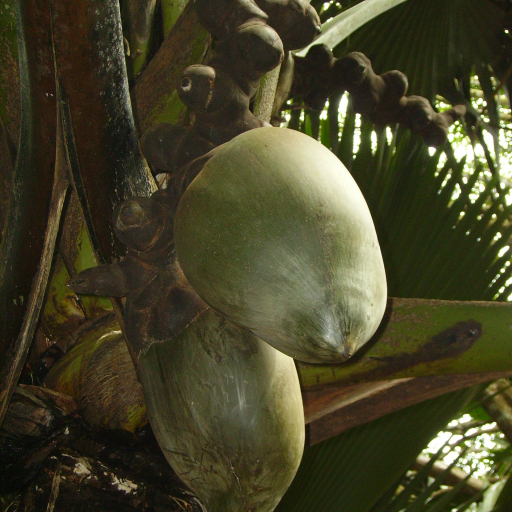
Known famously as the Coco de Mer or the "Double Coconut," this palm is the stuff of botanical legends. Native only to a few small islands in the Seychelles, its massive seeds were once found floating in the Indian Ocean, leading ancient sailors to believe they grew on mythical trees at the bottom of the sea. Today, it is a rare and protected prehistoric marvel, holding the record for the largest seed in the entire plant kingdom.
🔍 How to Identify
- 🥥 The Seed: Produces a massive, two-lobed nut that famously resembles a pair of human buttocks; it is the heaviest and largest seed in the world.
- 🌿 The Fronds: Features giant, stiff, fan-shaped leaves that can reach nearly 10 meters in length, acting like giant funnels to catch and direct rainwater.
- 🌴 The Trunk: A tall, slender, and greyish trunk that can grow up to 30 meters high, though it grows at an incredibly slow pace.
🏝️ Habitat & Growth Context
- 🇸🇨 Island Endemic: This palm is native only to the islands of Praslin and Curieuse. It thrives in tropical forests with well-drained, rocky soil and high humidity.
- ⏳ A Long Game: It is one of the slowest-growing plants on Earth. A single leaf may take years to unfurl, and the fruit takes up to seven years to reach maturity on the tree.
- 💧 Water Management: Because it lives in nutrient-poor soil, the plant has evolved its giant leaves to "harvest" organic matter and water, piping them directly to its own root system.
⚠️ Safety & Toxicity
- 🟢 Non-Toxic: The Lodoicea maldivica is not known to be toxic to humans, cats, or dogs upon contact.
- ⚠️ Falling Hazards: In botanical gardens or its native habitat, the primary danger is physical. A falling nut can weigh over 15kg (33lbs); being struck by one is potentially fatal.
- 🛑 Protected Status: It is an endangered species. It is illegal to collect or export the nuts without a strict government permit and a holographic identification tag.
✨ Fun Fact
In 1881, British General Charles Gordon became convinced that the Seychelles was the site of the original Garden of Eden. He specifically identified the Coco de Mer as the "Forbidden Fruit" from the Book of Genesis due to its suggestive shape and mysterious origins.

Detailed Care Instructions
To grow Lodoicea maldivica, also known as the Coco de Mer or sea coconut, follow these steps:
- Obtaining seeds: Coco de Mer seeds are quite rare and expensive, as the species is protected. You can try purchasing them from a plant nursery or a reputable seed supplier that specializes in rare plants.
- Germination: Soak the seeds in lukewarm water for a few days to soften their hard outer shell. Change the water daily. Then, plant the seeds in a large pot or container filled with well-draining potting soil, leaving the pointed end facing downwards. Cover the seeds with a thin layer of soil.
- Optimal conditions: Coco de Mer plants require a warm and humid environment to thrive. Place the pot in a warm location with plenty of indirect sunlight. Ensure the temperature remains consistently between 75-85°F (24-29°C). Maintain high humidity by misting the plant regularly or placing it on a tray with water and pebbles to increase humidity around the plant.
- Watering: Keep the soil lightly moist at all times, but avoid overwatering, as this can cause the seeds to rot. Water sparingly and ensure good drainage by using a well-draining potting mix.
- Transplanting: Once the seedling has grown several sets of true leaves and is around 4-6 inches tall, it can be transplanted into a larger pot. Use a sandy and loamy soil mixture to provide adequate drainage.
- Fertilization: Feed the plant every 4-6 weeks with a balanced liquid fertilizer or slow-release granules designed for palm trees. Follow the dosage instructions on the fertilizer package.
- Support: As the plant grows, it may require support to prevent the stem from leaning or breaking. Use a stake or tie the stem to a sturdy support structure.
- Patience: Lodoicea maldivica is a slow-growing palm that takes several years to mature. It may take 4-6 years before you see any substantial growth, and it can take more than a decade for the plant to start producing fruit.
Remember that the Coco de Mer is a protected species, so ensure you are following any legal regulations related to its cultivation and purchase.

Place in a bright room that is sun drenched almost all day. Or directly in a south-facing window.

Watering of this plant should be done deeply and thoroughly to ensure that the soil is moistened well. The frequency of watering may vary depending on soil and environmental conditions, but generally, it is recommended to water the plant thoroughly once a week during the growing season and once every two weeks during the dormant season. It is important to avoid overwatering as this can lead to root rot and other issues. The soil should be allowed to become slightly dry between waterings. When watering, it is advisable to use room temperature or mildly warm water to avoid shocking the plant. The plant should not be allowed to sit in standing water for extended periods, and any excess water should be drained from the pot or container.
To fertilize this plant, use a slow-release fertilizer that is high in potassium and low in nitrogen. Apply the fertilizer every three months during the growing season. Use a balanced liquid fertilizer during the non-growing season. Avoid over-fertilizing as it can damage the plant. Water the plant well before and after fertilizing.
The Lodoicea Maldivica plant would require a well-draining soil mix that is rich in organic matter. The soil PH should be slightly acidic that does not exceed 6.5 and should ideally fall between 5.5 to 6.5. A soil mix with a composition of peat moss, perlite, and horticultural sand can provide the ideal soil texture and drainage required for the Lodoicea Maldivica plant to thrive. The soil must be kept moist but should not become waterlogged to avoid the risk of root rot. The soil should also be free of any pathogens or contaminants that could harm the plant.
To propagate this plant, first collect fresh seeds from ripe fruit. Clean the seeds by removing any remaining fruit flesh and allow them to dry in the shade for 2-3 days. Then, plant the seeds in a well-draining soil mix, burying them halfway down. Water the soil, but not too much as excessive moisture can cause the seeds to rot. Keep the soil moist and place the planting container in a warm location with indirect sunlight. Germination can take up to 6 months, so be patient. Once seedlings emerge, gradually expose them to more sunlight. Transplant the seedlings into separate pots with rich, well-draining soil once they are several inches in height. Provide the young plants with plenty of warmth, humidity, and partial shade for several years as they develop into mature plants.








