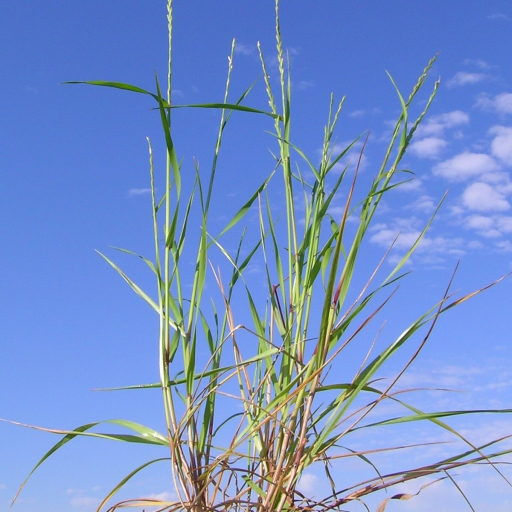
Plant Overview
Known as Annual Ryegrass or Wimmera Ryegrass, this hardy Mediterranean traveler has spread across the globe with an almost rebellious spirit. While farmers often view it as a formidable foe due to its ability to outsmart herbicides, it plays a vital role in preventing soil erosion and providing quick winter forage. Its slender, graceful appearance hides a remarkably "stiff" and resilient structure, earning it the Latin name rigidum.
🔍 How to Identify
- 🎨 The "Purple Sock": One of the best ways to spot this grass is at the base of the plant; the lower stems often have a distinct reddish-purple tint.
- 🍃 Glossy Leaves: The leaf blades are dark green, hairless, and have a noticeably shiny or "varnished" underside that glimmers in the sun.
- 🌾 Stiff Spikes: The flowering head is a long, narrow spike where the seeds are tucked tightly against the stem in an alternating zig-zag pattern, making the stalk feel rough and rigid to the touch.
🏡 In Your Garden
- 🌱 The Opportunist: You’ll likely find this grass popping up in disturbed soil, gravel driveways, or at the edges of garden beds. It is a "winter annual," meaning it germinates in autumn and grows rapidly while other plants are dormant.
- 🥊 A Tough Competitor: Because it has evolved to survive modern farming, it is incredibly difficult to pull up once established. It develops a dense root system quickly, so if you want it out of your flower beds, it is best to catch it while it’s young and the soil is damp.
⚠️ Safety & Toxicity
- 🤧 Allergy Alert: Like many grasses, Lolium rigidum is a prolific pollen producer. If you suffer from hay fever, this plant can be a major trigger during its late spring flowering season.
- 🐾 Livestock Warning: While generally safe for pets to walk on, this grass can occasionally be infected by a specific bacteria or the "Ergot" fungus in wild pastures. This can lead to "Ryegrass Staggers" in grazing animals like sheep or horses, though it is rarely a concern for household dogs or cats.
✨ Fun Fact
Lolium rigidum is often called a "Super-Weed" by scientists. It holds the world record for herbicide resistance, having figured out biological ways to survive almost every chemical spray humans have thrown at it!

Detailed Care Instructions
To grow Lolium Rigidum (also known as annual ryegrass), follow these steps:
- Choose a suitable location: Lolium Rigidum prefers full sun but can tolerate partial shade. Ensure the location has well-draining soil.
- Prepare the soil: Loosen the soil using a garden fork or tiller. Remove any weeds or debris and break up any clumps of soil. You can also add organic matter, such as compost, to improve the soil's fertility.
- Planting seeds: Broadcast the Lolium Rigidum seeds evenly over the prepared soil. Ideally, the seeding rate should be around 25-35 pounds per acre. If you're planting in a smaller area, adjust the amount accordingly.
- Lightly rake the seeds: Use a rake to gently press the seeds into the soil, ensuring good seed-to-soil contact. This will help with germination.
- Watering: Water the seeds immediately after planting to help settle them into the soil. Keep the soil consistently moist but avoid overwatering, as it can cause the seeds to rot. Water regularly until germination occurs.
- Germination and growth: Lolium Rigidum typically germinates within 7-10 days. Once the seedlings emerge, thin them out if they are too closely spaced. Aim for a final spacing of around 4-6 inches between plants.
- Fertilization: Apply a balanced fertilizer according to the instructions on the package. This will help promote healthy growth and development.
- Maintenance: Keep the area free from weeds by manually pulling them or using suitable herbicides. Regularly water the plants, especially during dry spells, to ensure they receive adequate moisture.
- Mowing: Once the Lolium Rigidum reaches a height of around 3-4 inches, you can mow it to maintain its desired height. Mowing also helps promote thicker growth.
- Harvesting (optional): If you intend to use the Lolium Rigidum for animal feed, you can harvest it once it reaches the desired maturity. Cut the plants close to the ground using a sickle or scythe.
Remember to check your local regulations and guidelines for planting Lolium Rigidum, as it is considered an invasive species in some regions.

Place in a bright room that is sun drenched almost all day. Or directly in a south-facing window.

To water this plant, you should first observe the soil moisture level to determine if it needs water. If the soil is dry to the touch, it should be watered thoroughly. It is important to avoid overwatering, as this could cause root rot. A good method is to slowly pour the water directly onto the soil around the base of the plant. You can also use a watering can or hose with a gentle flow to avoid disturbing the plant. It is recommended to water in the morning or evening when temperatures are cooler, to reduce water loss due to evaporation. Proper watering is essential for the health and growth of this plant.
To fertilize this plant, apply a balanced fertilizer, such as a 10-10-10 or 20-20-20, at a rate of 1 pound of fertilizer per 100 square feet of planting area. Apply the fertilizer evenly over the planting area, taking care not to apply too close to the base of the plant. Water the area after fertilizing to help the nutrients move into the soil and to prevent burning of the plant. Repeat the fertilization process every 6-8 weeks throughout the growing season.
The ideal soil for the plant should be well-draining and have a pH level between 5.5 and 6.5. It should also have good aeration and water-holding capacity. The soil should be rich in nitrogen, phosphorus, and potassium to support the growth and development of the plant. It should also be free from any harmful pathogens and pests to prevent diseases and pest infestations. Proper fertilization and irrigation practices are also important to ensure optimal growth and yield of the plant.
One way to propagate this plant is through seed collection. This involves waiting for the plant to flower and produce seeds and then harvesting the seeds by cutting the seed head off the plant and allowing it to dry completely. Once dried, the seeds can be stored and planted in suitable conditions.
Another method is through vegetative propagation, which involves taking cuttings from the plant and rooting them in a suitable medium. This can be done by selecting healthy, actively growing stems and cutting them just below a node. The cuttings can then be planted in a rooting hormone and placed in a warm, moist environment until roots develop.
Division is another means of propagation, which entails separating clumps of the plant into smaller sections. This can be done by digging up the plant, gently separating the clumps, and replanting them in individual pots or in the ground.
Regardless of the method used, proper care should be taken to ensure the new plants receive adequate water, light, and nutrients to establish healthy growth.








